Houseplant Water Suitability Checker
Tap Water
Variable minerals, Chlorine/Chloramine treated.
Bottled Purified
Very low minerals, no chemicals. High cost/waste.
Rainwater
Natural/Low minerals, slightly acidic. Free & eco-friendly.
Filtered Water
Reduced minerals, removes chlorine/fluoride.
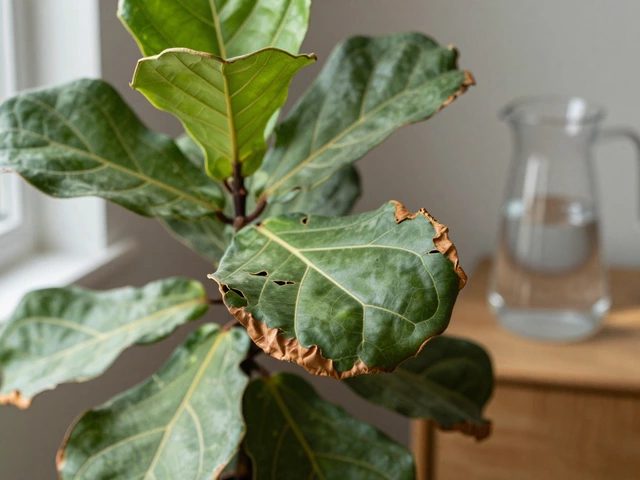
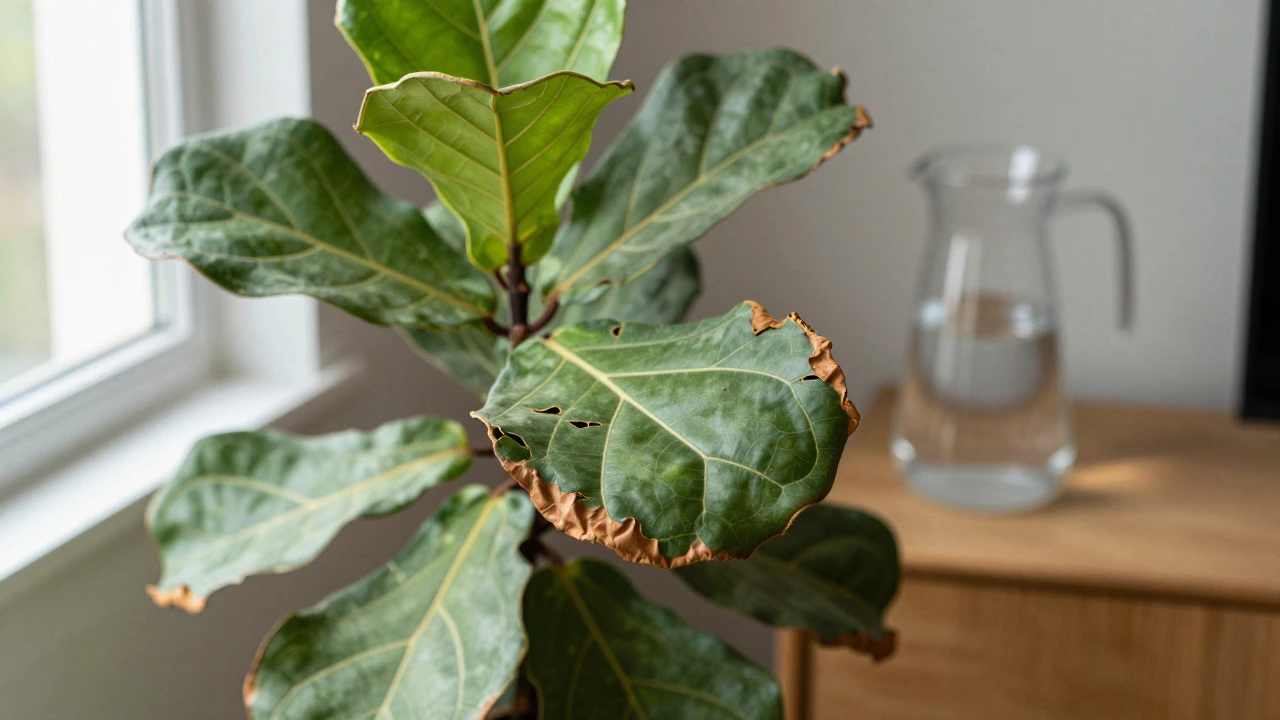
Picture this: you’ve just brought home a stunning Fiddle Leaf Fig, a popular indoor tree known for its large, violin-shaped leaves that are notoriously sensitive to water quality. You treat it like royalty. You buy the premium potting mix. You place it in the perfect spot with bright, indirect light. But every few weeks, the leaf tips turn crispy brown. You check for pests. You check for drafts. Nothing. Then you realize you’re watering it with the same tap water you drink. Is your faucet killing your plants?
The short answer is: probably not directly, but maybe indirectly. For most common houseplants, tap water is perfectly fine. However, for sensitive species or if you live in an area with hard water, bottled or filtered water might be the secret ingredient your collection needs. Let’s break down what’s actually in that water and how it affects your green friends.
What’s Actually in Your Tap Water?
To understand why some people swear by bottled water, we first need to look at what comes out of your kitchen sink. In Brighton, England, where I’m writing this, our tap water is generally safe and clean. But "safe for humans" doesn’t always mean "ideal for plants."
The two main culprits in municipal water supplies are Chlorine and Chloramine, disinfectants added to kill bacteria and pathogens.
- Chlorine: This is volatile. If you leave a jug of tap water on the counter for 24 hours, the chlorine evaporates into the air. It’s rarely a long-term issue for plants unless applied in massive concentrations.
- Chloramine: This is a combination of chlorine and ammonia. Unlike pure chlorine, chloramine is stable and does not evaporate easily. It can build up in the soil over time, potentially harming beneficial microbes that help your plants absorb nutrients.
Then there’s the issue of minerals. Hard water contains high levels of calcium and magnesium. While these are technically nutrients, an excess can lead to salt buildup in the soil. Over months, this accumulation changes the soil pH and can cause root burn, which looks suspiciously like underwatering or nutrient deficiency.
Why Bottled Water Seems Like a Miracle Cure
When you switch to Bottled Water, commercially packaged drinking water that varies significantly in mineral content and purity depending on the brand, you are removing variables. Most bottled waters, especially purified or distilled types, have very low mineral content and no chlorine or chloramine.
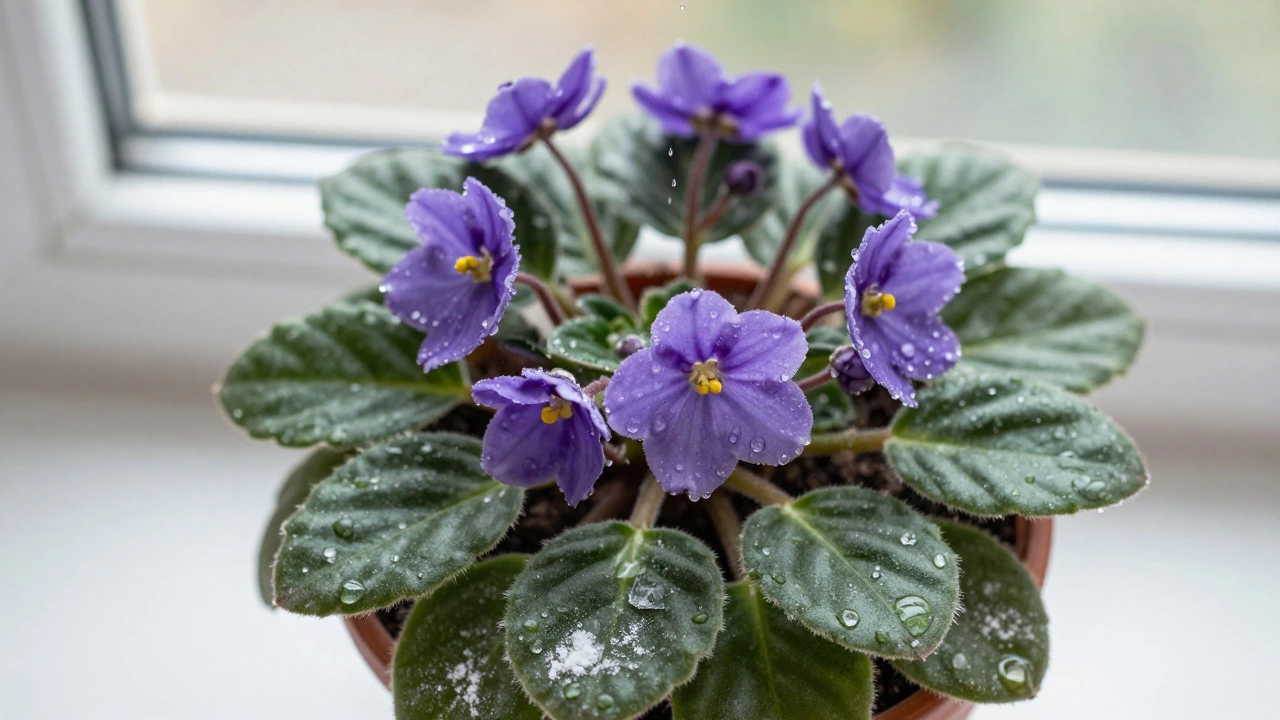
For sensitive plants like African Violets, small flowering houseplants that are highly susceptible to leaf spotting from fluoride and salts in water, or Carnivorous Plants, such as Venus Flytraps and Pitcher Plants, which require very low-mineral water to survive, this makes a huge difference. These plants evolved in nutrient-poor environments. Dumping mineral-rich tap water on them is like force-feeding them a steak when they’re used to catching flies. They get overwhelmed.
However, using bottled water isn’t without its downsides. Distilled water, for example, has zero minerals. While this prevents salt buildup, it also means you aren’t providing any supplemental calcium or magnesium through watering. Over a long period, this might require more careful fertilization to ensure your plants don’t develop deficiencies.
The Cost and Environmental Reality Check
Let’s talk about the elephant in the room: cost and waste. If you have twenty houseplants, buying enough bottled water to keep them hydrated is expensive. A 5-liter bottle costs roughly £1.00 to £1.50. If you water ten plants weekly, that’s hundreds of pounds a year.
More importantly, the environmental impact is significant. Plastic bottles take centuries to decompose. Using them for non-essential purposes like watering plants feels excessive when rainwater or filtered tap water exists as alternatives.
| Water Type | Mineral Content | Chemical Treatment | Best For | Cost & Eco-Impact |
|---|---|---|---|---|
| Tap Water | Variable (Hard/Soft) | Chlorine/Chloramine | d>Most robust plants (Pothos, Snake Plant)Low cost / Low impact | |
| Bottled Purified | Very Low | None | Sensitive plants (African Violets, Calatheas) | High cost / High plastic waste |
| Rainwater | Natural/Low | None (unless polluted) | All plants, especially acid-lovers | Free / Zero impact |
| Filtered Water | Reduced Minerals | Removes Chlorine/Fluoride | General use, sensitive species | Moderate cost / Moderate impact |
Better Alternatives to Bottled Water
If you want to avoid the chemicals in tap water without buying cases of plastic bottles, you have better options.
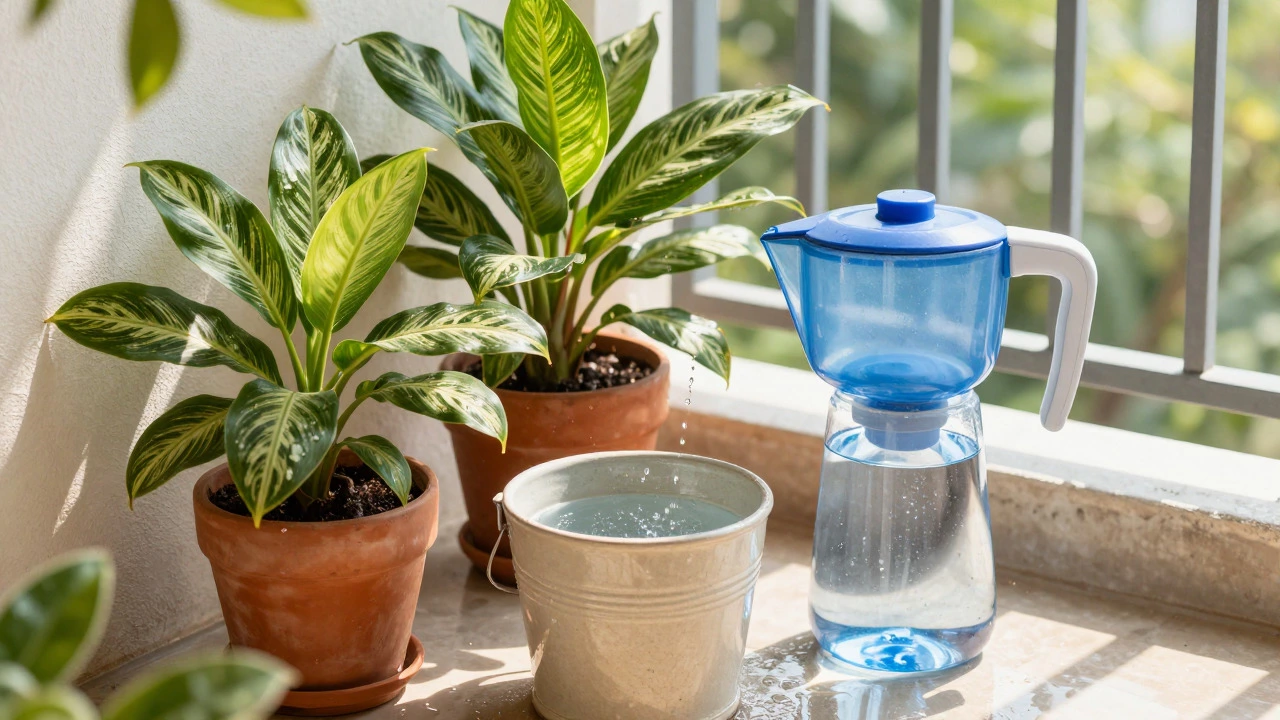
1. Rainwater Collection Rainwater is nature’s distilled water. It’s slightly acidic, which many houseplants love. All you need is a bucket or a dedicated rain barrel. In the UK, with our frequent rainfall, this is arguably the best free resource for gardeners. Just make sure your collection container is clean to avoid algae growth.
2. Activated Carbon Filters A simple under-sink filter or a pitcher filter (like Brita) removes chlorine and reduces heavy metals and fluoride. While it won’t remove all minerals (so hard water stays hard), it eliminates the harsh chemicals that harm soil microbiomes. This is often the sweet spot for most indoor gardeners.
3. Reverse Osmosis (RO) Systems If you have an RO system for drinking water, use the output for your sensitive plants. RO water is nearly pure H2O. Like distilled water, it lacks minerals, so you’ll need to rely on your fertilizer regimen to provide calcium and magnesium.
How to Test if Your Water is Hurting Your Plants
You don’t need a lab coat to figure out if your water is the problem. Look for these signs:
- Brown Leaf Tips: This is the classic sign of salt toxicity. The salts accumulate at the ends of the leaves because that’s where the water evaporates last. If you see this on multiple plants, your water likely has high mineral content.
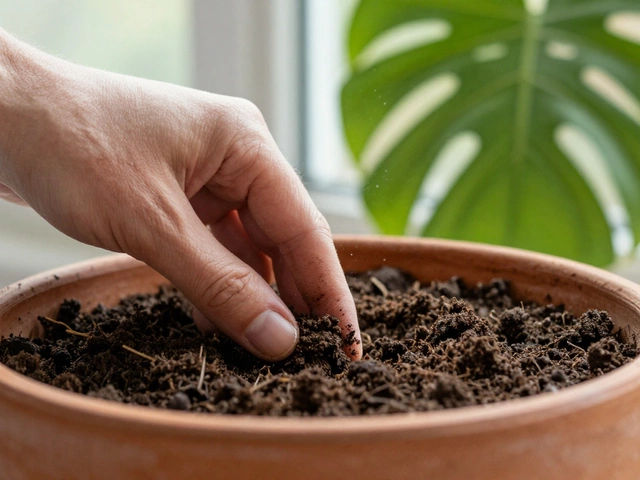
- White Crust on Soil: Check the surface of your potting mix. Do you see a white, powdery residue? That’s salt buildup. It indicates that your water is hard and minerals are accumulating faster than they can be leached away.
- Poor Growth Despite Fertilizer: If you’re feeding your plants but they still look pale or stunted, the pH of your soil might be off due to alkaline tap water, locking out essential nutrients like iron.
If you notice these issues, try flushing the soil. Water thoroughly until it runs out of the drainage holes, repeating three times. This helps wash away accumulated salts. Then, switch to rainwater or filtered water for the next few months and watch for improvement.
Which Plants Need Special Attention?
Not all houseplants are created equal. Some are tanks; others are divas. Here’s a quick guide on who needs the good stuff.
Use Tap Water (No Worries): Snake Plants, hardy succulents that tolerate neglect and poor water quality well, Pothos, vigorous trailing vines that thrive in almost any condition, and Spider Plants, resilient plants that produce offsets even in suboptimal conditions. These plants are forgiving. Unless you live in an area with extremely hard water, they’ll be fine.
Use Filtered/Rain/Bottled Water: Calatheas, decorative foliage plants with sensitive leaves that curl and brown easily, Marantas, prayer plants that share similar sensitivities to Calatheas, African Violets, compact flowering plants prone to leaf spotting from fluoride, and Orchids, epiphytic plants with exposed roots that are vulnerable to salt buildup. These plants show stress quickly. Investing in a filter or collecting rainwater will save you from constant repotting and pruning.
Practical Tips for Watering Success
You don’t need to overhaul your entire routine overnight. Try these steps:
- The Overnight Test: Fill a large jug with tap water and leave it uncovered on your windowsill overnight. This allows chlorine to dissipate. Use this water for your standard plants.
- Top-Dress Sensitive Plants: For African Violets or Orchids, use boiled water (let it cool completely). Boiling drives off chlorine and kills any potential pathogens, though it doesn’t remove minerals. Alternatively, use rainwater.
- Flush Quarterly: Every three months, give your potted plants a deep soak to flush out salt buildup. Ensure your pots have drainage holes! Without drainage, flushing is impossible, and salts will concentrate.
- Check Local Reports: Many water companies publish annual quality reports online. Search for "[Your City] water quality report" to see hardness levels and chemical treatments specific to your area.
Can I use distilled water for all my houseplants?
Yes, you can, but it’s not always necessary. Distilled water lacks minerals, so if you use it exclusively, you must ensure your fertilizer provides adequate calcium and magnesium. For most plants, tap or filtered water is sufficient and more economical.
Does boiling tap water remove chlorine?
Yes, boiling water for one minute removes chlorine effectively. However, it does not remove chloramine or dissolved minerals like calcium and magnesium. If your water has chloramine, let it sit for 24 hours instead.
Is rainwater really better than bottled water?
In most cases, yes. Rainwater is naturally soft and slightly acidic, which mimics the natural environment for many tropical plants. It’s also free and eco-friendly. Just ensure your collection method is clean to avoid introducing contaminants.
How do I know if my tap water is too hard for my plants?
Look for white crust on the soil surface or brown tips on leaves. You can also test your water hardness with inexpensive test strips available at garden centers. If the hardness is above 150 ppm, consider filtering for sensitive plants.
Should I water my plants immediately after taking them out of the bottle?
It’s best to let bottled or stored water reach room temperature before watering. Cold water can shock the roots, especially in winter. Aim for water that is lukewarm or matches the ambient temperature of your room.