Indian Flower Business Profitability Calculator
Estimate potential annual revenue based on flower type, growing scale, and seasonal timing.
Walk through any major market in Mumbai, Delhi, or Bangalore on a Tuesday morning, and you will see the sheer volume of blooms moving from farmer to florist. The Indian floral industry is not just about decoration; it is a multi-billion rupee economy driven by weddings, festivals, and daily household rituals. If you are looking to start a flower garden, either for personal joy or as a small business venture, knowing which flowers sell the most is the difference between profit and waste.
The demand for flowers in India is unique because it blends aesthetic preference with cultural necessity. Unlike Western markets where roses dominate purely for romance, the Indian market requires a diverse mix of colors, scents, and specific botanical properties for religious offerings (puja) and ceremonies. Understanding this nuance helps you choose plants that will thrive in your climate while meeting actual consumer needs.
The Undisputed King: Roses
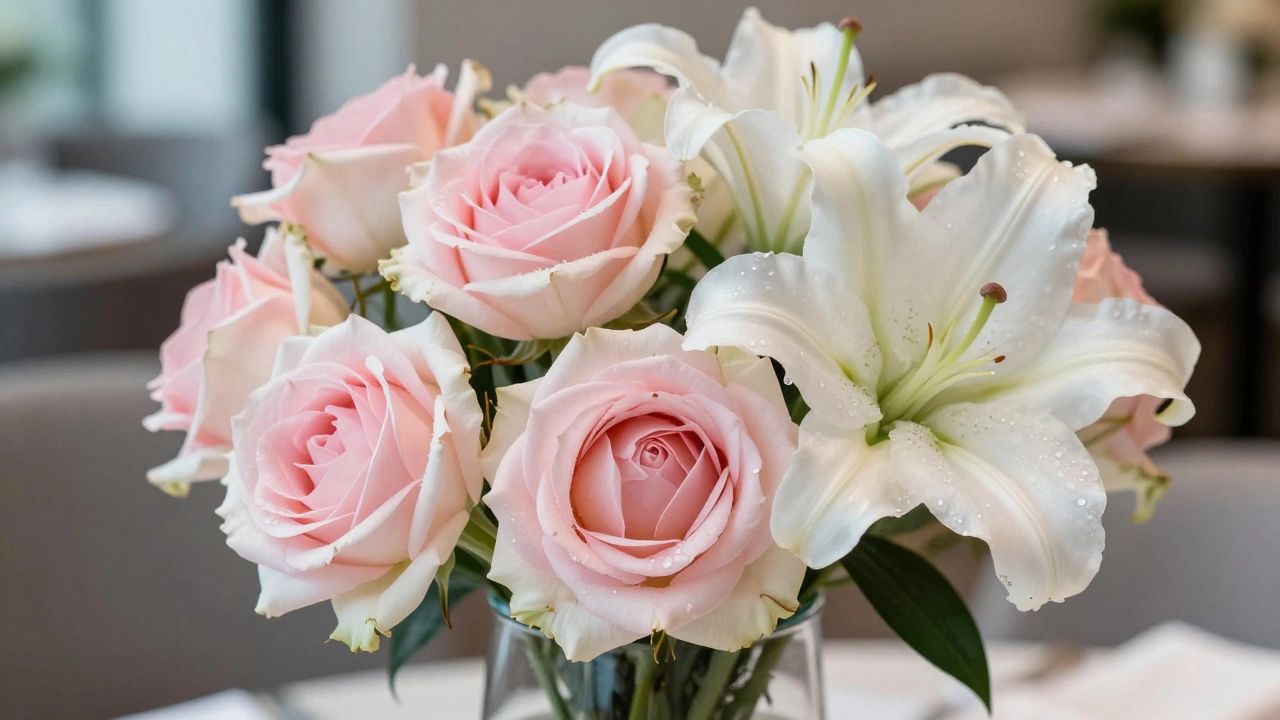
If there is one flower that defines the Indian cut-flower market, it is the Rose. It is the most commercially significant flowering plant in India, grown extensively in states like Karnataka, Maharashtra, and Uttar Pradesh. Roses account for nearly 40% of all cut flowers produced in the country. Their versatility makes them indispensable; they are used in wedding garlands, hotel decorations, perfumery, and everyday bouquets.
However, not all roses are created equal. For commercial success, focus on hybrid tea varieties that have long stems and large heads. Varieties like 'Freedom', 'Double Delight', and local hybrids bred for heat resistance perform well. The key attribute here is shelf life. A rose that wilts in two days is worthless to a retailer. You need varieties that stay fresh for at least five to seven days after cutting. This requires careful attention to irrigation and post-harvest handling, such as immediate cooling after harvest.
- Best Use: Weddings, luxury bouquets, essential oil extraction.
- Growing Challenge: High susceptibility to pests like aphids and fungal diseases in humid climates.
- Profit Margin: High, but only if quality is consistent.
The Festival Powerhouse: Marigolds
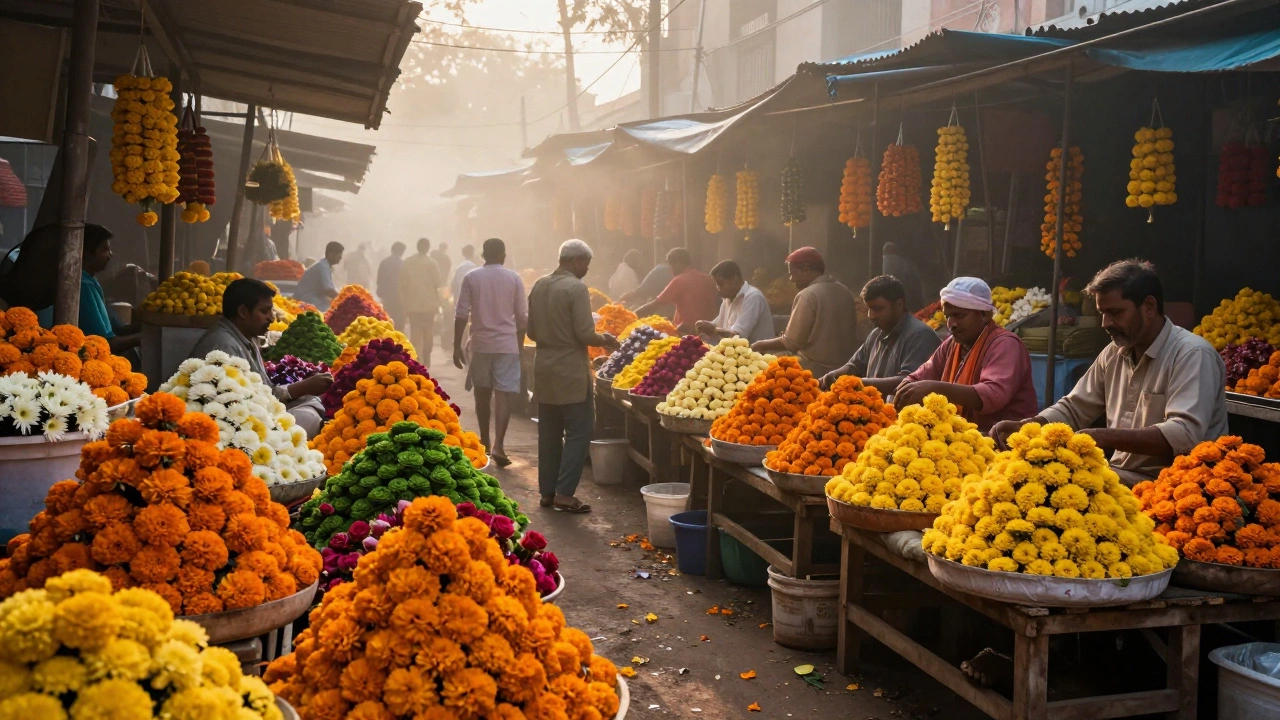
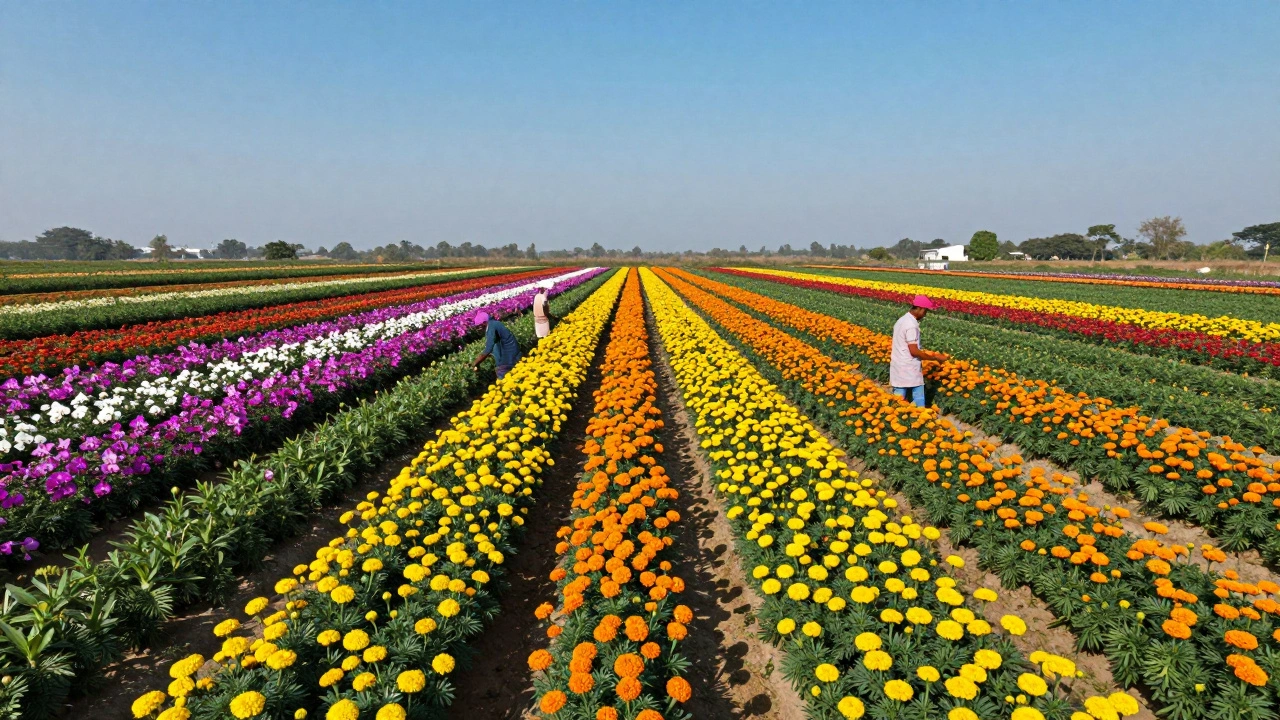
You cannot talk about Indian flower demand without mentioning Marigold (Genda Phool). It is a hardy annual flower essential for Hindu religious rituals, particularly during Diwali, Durga Puja, and weddings. While the price per stem is low compared to roses, the volume is staggering. During festival seasons, the demand for marigolds spikes by over 300%. Farmers who time their planting cycles correctly can reap significant rewards.
Marigolds are incredibly resilient. They tolerate poor soil conditions and require less water than roses or orchids. This makes them an excellent choice for beginners or those with limited resources. The primary types demanded are the African marigold (larger blooms) and French marigold (smaller, denser clusters). For religious use, bright orange and yellow hues are preferred. White marigolds are also sought after for specific rituals.
| Flower Type | Primary Demand Driver | Growing Difficulty | Shelf Life | Best Season |
|---|---|---|---|---|
| Rose | Weddings & Romance | High | 5-7 Days | Winter |
| Marigold | Religious Festivals | Low | 3-5 Days | All Year (Peak: Oct-Nov) |
| Lily | Premium Decorations | Medium | 7-10 Days | Summer/Autumn |
| Chrysanthemum | Daily Offerings & Bouquets | Medium | 5-7 Days | Winter |
| Orchid | Luxury Gifts & Events | Very High | 2-4 Weeks | All Year (Controlled Env.) |
The Premium Choice: Lilies
In recent years, Lily (Mallari) has seen a surge in popularity, especially in urban centers like Bangalore and Hyderabad. It is a high-value cut flower known for its strong fragrance and elegant appearance, increasingly replacing roses in premium bouquets. Lilies command a higher price point because they are perceived as more exotic and sophisticated. The Asiatic lilies, which do not have pollen stains, are particularly popular for indoor arrangements.
Growing lilies requires a cooler climate or controlled environment agriculture (greenhouses). They are sensitive to heat, so summer cultivation can be challenging without proper shading and misting systems. However, the return on investment is substantial. A single stem of a premium lily can fetch double the price of a standard rose. This makes lilies ideal for growers who have access to cold storage facilities and can manage the supply chain efficiently.
Steady Sellers: Chrysanthemums and Carnations
While roses get the glory, Chrysanthemum (Gerbera/Mogra Genda) and Carnation provide steady, year-round income. Chrysanthemums are the workhorses of the Indian floral industry. They are used extensively in temple offerings and funeral wreaths due to their longevity and availability in various colors. Carnations are durable, colorful flowers often used in mixed bouquets and church decorations.
Carnations are particularly valued for their ability to withstand transportation. They can travel long distances from growing hubs like Pune or Nashik to distant cities without losing quality. For a gardener, this means less risk of spoilage before sale. Both flowers are relatively easy to propagate and have predictable blooming cycles, allowing for better inventory management.
The Luxury Niche: Orchids
If you are targeting the high-end corporate gifting and luxury event market, Orchid (Vanda/Cymbidium) is the way to go. It is an epiphytic flowering plant prized for its exotic beauty and long-lasting blooms, requiring specialized care and greenhouse conditions. Orchids are not for everyone. They require precise humidity levels, temperature control, and disease management. However, once established, an orchid farm can produce high-value stems that sell for hundreds of rupees each.
Vanda orchids are native to parts of India and adapt well to local climates with proper support structures. Cymbidiums are imported cultivars that need cooler temperatures. The key to success with orchids is consistency. Buyers expect uniformity in size and color. Any blemish can drastically reduce the value. This crop is best suited for experienced growers with capital for infrastructure investment.
Seasonal Trends and Regional Variations
Demand fluctuates significantly based on geography and season. In North India, winters bring a boom in chrysanthemums and gladiolus. In South India, the tropical climate allows for year-round production of roses and orchids, but monsoon rains can increase disease pressure. Timing your harvest to coincide with major festivals like Valentine's Day, Mother's Day, Raksha Bandhan, and Diwali is crucial.
For example, producing marigolds three months before Diwali ensures you catch the peak pricing window. Similarly, having ready stock of red roses in February guarantees sales. Ignoring these seasonal peaks can lead to oversupply during off-seasons, driving prices down to unprofitable levels.
Practical Tips for New Growers
Starting a flower garden for commercial purposes requires more than just planting seeds. You need a strategy. First, identify your local market. Visit nearby wholesale markets (mandis) to see what is selling out quickly and what is rotting on the stalls. Second, invest in post-harvest technology. Simple things like clean water, sharp cutters, and cool storage can extend the life of your flowers by days, directly impacting your revenue.
Third, consider diversification. Relying on a single flower type is risky. A combination of high-volume, low-cost flowers (like marigolds) and high-value, low-volume flowers (like orchids or lilies) balances your income stream. Finally, build relationships with local florists and event planners. Direct sales eliminate middlemen and increase your profit margins.
Which flower is most profitable to grow in India?
Roses and Orchids are generally the most profitable due to their high market value. However, profitability depends on scale and location. Roses offer high volume sales, while Orchids offer high margins per stem but require significant infrastructure investment. For beginners, Marigolds provide quick returns with lower initial costs.
What is the best season to plant flowers in India?
The best season varies by region. In North India, winter (October to March) is ideal for most cut flowers like roses and chrysanthemums. In South India, the mild climate allows for year-round cultivation, though monsoon rains may require extra pest management. Always plan backward from your target festival date.
Can I grow high-demand flowers in pots at home?
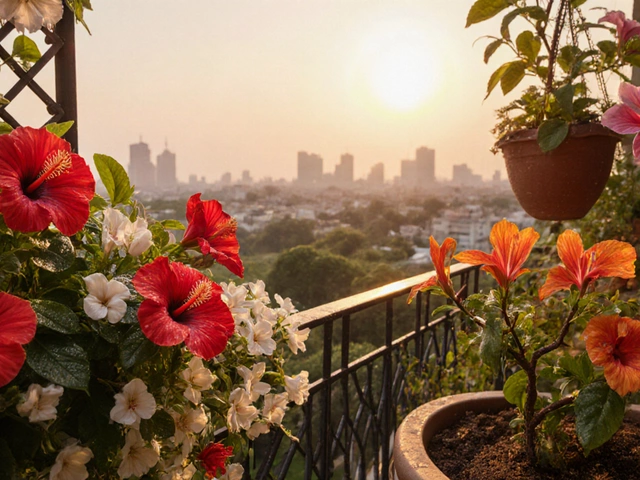
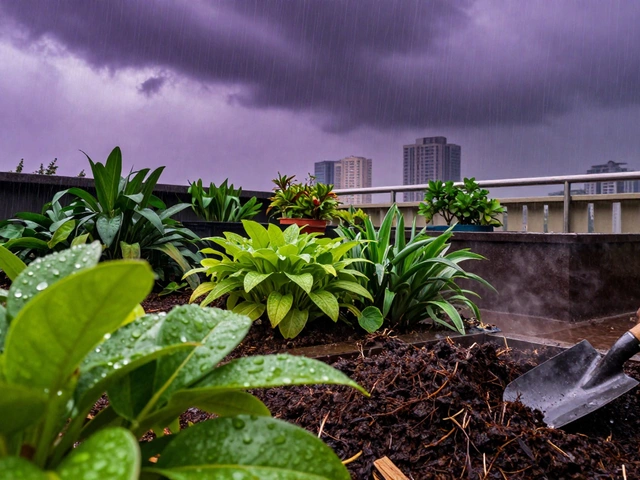
Yes, many high-demand flowers like Roses, Marigolds, and even some Orchids can be grown in pots. Ensure the containers have good drainage and use high-quality potting mix. Container gardening allows for better control over nutrients and watering, which is beneficial for maintaining quality blooms.
How do I preserve cut flowers longer?
To extend vase life, cut stems at a 45-degree angle under water, remove leaves that will sit below the water line, and change the water every two days. Using a commercial flower preservative or a homemade solution of sugar, bleach, and lemon juice can also help maintain freshness.
Are organic flowers in demand in India?
Yes, there is a growing niche market for organic flowers, especially among eco-conscious consumers and premium hotels. Organic certification can command higher prices, but it requires strict adherence to non-chemical farming practices and proper documentation to verify claims.