Monsoon Gardening Planner
Personalized Monsoon Guide
Select your region for customized advice🌧️ Peak Rain Months:
💡 Pro Tip for Your Area:
🛡️ Main Challenge:
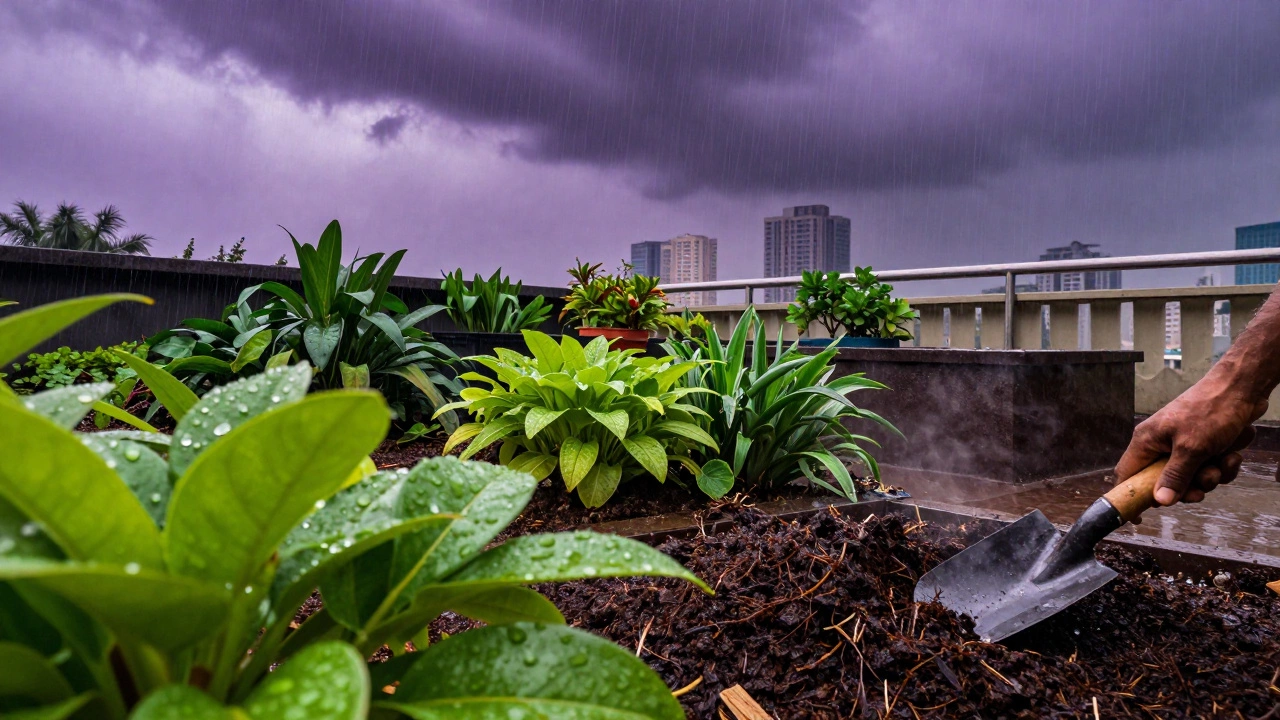
Imagine standing on a terrace in Mumbai as the sky turns a bruised purple and the air suddenly smells of wet earth. That is the moment every gardener in India waits for. But if you are planning your garden based on guesswork, you might be planting too early or too late. Knowing exactly when the rain arrives is not just trivia; it is the difference between a thriving bloom and a rotting root system.
The question "Which are the rainiest months of India?" has a complex answer because India is not a monolith. It is a subcontinent with distinct climatic zones. However, for the vast majority of the country, the heavy rains arrive with the Southwest Monsoon. This weather phenomenon dictates the rhythm of life, agriculture, and gardening across the nation. If you want to grow flowers successfully, you need to understand this rhythm deeply.
The Southwest Monsoon: The Primary Rain Bringer
For most of India, the Southwest Monsoon is the dominant seasonal wind pattern that brings approximately 70-80% of the country's annual rainfall. This season typically begins in early June and lasts until September. These four months-June, July, August, and September-are undeniably the rainiest period for the central, northern, and western parts of the country.
When the monsoon hits, humidity spikes, and temperatures drop slightly. For a gardener, this means two things: rapid growth potential and high disease risk. Fungi love moisture. If you plant delicate seedlings in June without proper drainage, they will likely succumb to damping-off disease before they even see sunlight. The key here is timing. You want your plants established enough to handle the deluge but not so old that their roots are sitting in stagnant water.
In states like Maharashtra, Karnataka, and Kerala, the rains can start as early as mid-June. By July, these regions often receive their peak monthly rainfall. In contrast, North India, including Delhi and Uttar Pradesh, sees the monsoon arrive closer to July 1st. This delay gives Northern gardeners an extra few weeks of dry heat to prepare their soil and harden off their plants.
The Northeast Exception: Winter Rains
If you live in the Northeastern states like Meghalaya, Assam, or Tripura, the rules change completely. While the rest of India bakes in summer, places like Cherrapunji and Mawsynram-the wettest places on Earth-receive massive amounts of rain during the Southwest Monsoon, but they also have a unique secondary pattern. More importantly, the Northeast experiences significant rainfall earlier than the west. The monsoon touches Meghalaya in late May, making May and June exceptionally wet there.
However, do not ignore the Northeast Monsoon (also known as the Retreating Monsoon). Between October and December, while Central India dries out, Tamil Nadu and coastal Andhra Pradesh receive their primary rainfall. This is crucial for gardeners in South India. If you are planting in Chennai or Bangalore, your "rainy season" looks different from someone in Mumbai. For Tamil Nadu, October and November are the critical wet months. Planting drought-tolerant species in July here would be a mistake, as the soil remains relatively dry until the retreating monsoon arrives.
Regional Breakdown: When Does Your Garden Get Wet?
To plan effectively, you must look at your specific location. Here is how the rainfall distribution breaks down across major gardening zones:
- Western Coast (Kerala, Karnataka, Goa, Maharashtra): Peak rains from June to September. Expect daily showers and high humidity. Drainage is your best friend.
- Northern Plains (Delhi, Punjab, Haryana, UP): Monsoon arrives in July. Peak intensity is usually August. September marks the beginning of the retreat.
- Central India (Madhya Pradesh, Chhattisgarh): Similar to the north, with heavy bursts in July and August. Flash floods can occur, so raised beds are essential.
- Southeast Coast (Tamil Nadu, Andhra Pradesh): Dry during the Southwest Monsoon. Heavy rains arrive in October and November due to the Northeast Monsoon.
- Northeast (Assam, Meghalaya): Rains start in May and continue through September. Humidity is near saturation year-round.
| Region | Primary Rain Season | Peekest Months | Gardening Challenge |
|---|---|---|---|
| West Coast | Southwest Monsoon | July - August | Fungal diseases, erosion |
| North & Central | Southwest Monsoon | August | Waterlogging, nutrient leaching |
| South East (TN/AP) | Northeast Monsoon | October - November | Dry spells in summer, sudden floods |
| Northeast | Southwest Monsoon | June - September | High humidity, pest pressure |
Impact on Flower Gardening: What to Plant and When
Understanding the rainiest months allows you to align your planting schedule with nature rather than fighting against it. In India, the monsoon is actually a great time to propagate certain hardy flowers, provided you manage the moisture levels correctly.
During the peak monsoon months (July-August in most areas), avoid sowing seeds directly into the ground unless they are fast-germinating varieties like marigolds or cosmos. The heavy rain can wash away tiny seeds or bury them too deep. Instead, use this time for division and transplanting established plants. The cool, moist air reduces transplant shock significantly.
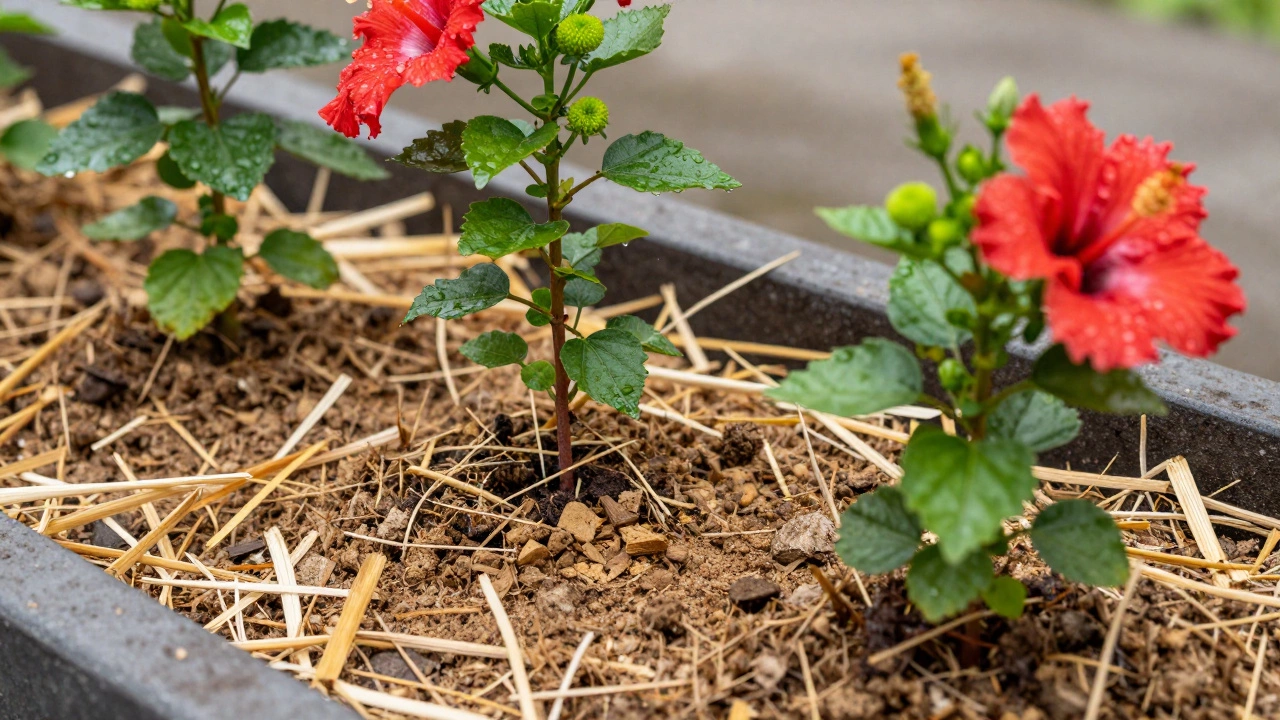
Consider Hibiscus, which is a tropical flowering plant that thrives in warm, humid conditions and benefits from consistent moisture during its blooming cycle. Hibiscus loves the monsoon. It will put on spectacular growth if you ensure the soil drains well. Similarly, Chrysanthemums are cool-season perennials that begin their vegetative growth phase during the rainy season, preparing for autumn blooms. Planting mums in June or July gives them a head start before the cooler winter sets in.
On the flip side, bulbs like tulips or hyacinths should never be planted during the rainiest months in India. They require a dry dormancy period and cool temperatures. Planting them in August would result in immediate rot. Save those for November or December.
Managing Soil and Drainage During Heavy Rains
The biggest enemy of the Indian gardener during the monsoon is not the rain itself, but poor drainage. When rain falls continuously for days, the soil becomes saturated. Roots need oxygen. If the soil pores are filled with water, roots suffocate and die. This is called root asphyxiation.
To combat this, amend your soil with organic matter before the rains arrive. Compost, cow manure, and leaf mold improve soil structure, creating air pockets that allow water to drain quickly. Sandy loam soils are ideal. If you have heavy clay soil, which is common in many parts of Northern India, you must create raised beds. Raised beds elevate the root zone above the water table, preventing waterlogging.
Mulching is another critical step. Apply a layer of straw or dried leaves around your plants. This prevents the topsoil from crusting over when hit by heavy raindrops. Crusted soil repels water, leading to runoff and erosion. Mulch absorbs the impact and keeps the soil porous.
Pest and Disease Control in Humid Conditions
Humidity above 80% creates a breeding ground for pests and pathogens. During the rainiest months, you will notice an increase in slugs, snails, and fungal infections like powdery mildew and leaf spot. Slugs thrive in damp, dark environments. They can decimate a patch of young seedlings overnight.
Prevention is easier than cure. Space your plants adequately to allow air circulation. Crowded plants trap moisture, keeping leaves wet for longer periods, which encourages fungal growth. Prune lower branches to improve airflow near the ground. Avoid overhead watering in the evening. Water in the morning so that any excess moisture evaporates during the day.
If you do spot fungal issues, act quickly. Remove infected leaves immediately to prevent spread. Neem oil is a natural and effective fungicide widely available in India. A spray of diluted neem oil every two weeks can keep most fungal diseases at bay without harming beneficial insects.
Preparing for the Post-Monsoon Bloom
The end of the rainiest months brings a reward: the post-monsoon bloom. As the skies clear in October (in most regions), the air becomes crisp, and the sun returns. Plants that survived the monsoon vigor enter a prolific flowering stage. This is why October and November are considered the prime viewing months for gardens in North and West India.
By understanding that July and August are the building blocks for this beauty, you can tailor your care routine. Feed your plants with a balanced fertilizer after the heaviest rains pass. The nutrients leached from the soil during the monsoon need replenishing. This boost triggers the burst of color that makes Indian gardens famous.
What is the single rainiest month in India?
For the majority of the country, including the Western Ghats and Northern Plains, July and August are typically the rainiest months. However, in Tamil Nadu and parts of Andhra Pradesh, October and November see the highest rainfall due to the Northeast Monsoon. In the Northeastern states, June and July are extremely wet.
Is it safe to plant flowers during the monsoon?
Yes, but with caution. Established plants like Hibiscus and Bougainvillea thrive. Avoid sowing small seeds directly in the ground as they may wash away. Focus on transplanting cuttings or dividing mature plants. Ensure your soil has excellent drainage to prevent root rot.
How does the monsoon affect soil nutrients?
Heavy rains cause nutrient leaching, where water washes away essential minerals like nitrogen and potassium from the soil profile. To counteract this, gardeners should apply organic compost before the rains and replenish nutrients with a balanced fertilizer once the monsoon recedes.
Why do my plants get fungal diseases in the rain?
Fungi require moisture to germinate and spread. High humidity and wet foliage create the perfect environment for pathogens like powdery mildew and leaf spot. Improving air circulation, avoiding evening watering, and using neem oil sprays can help mitigate these risks.
Which flowers bloom best after the monsoon?
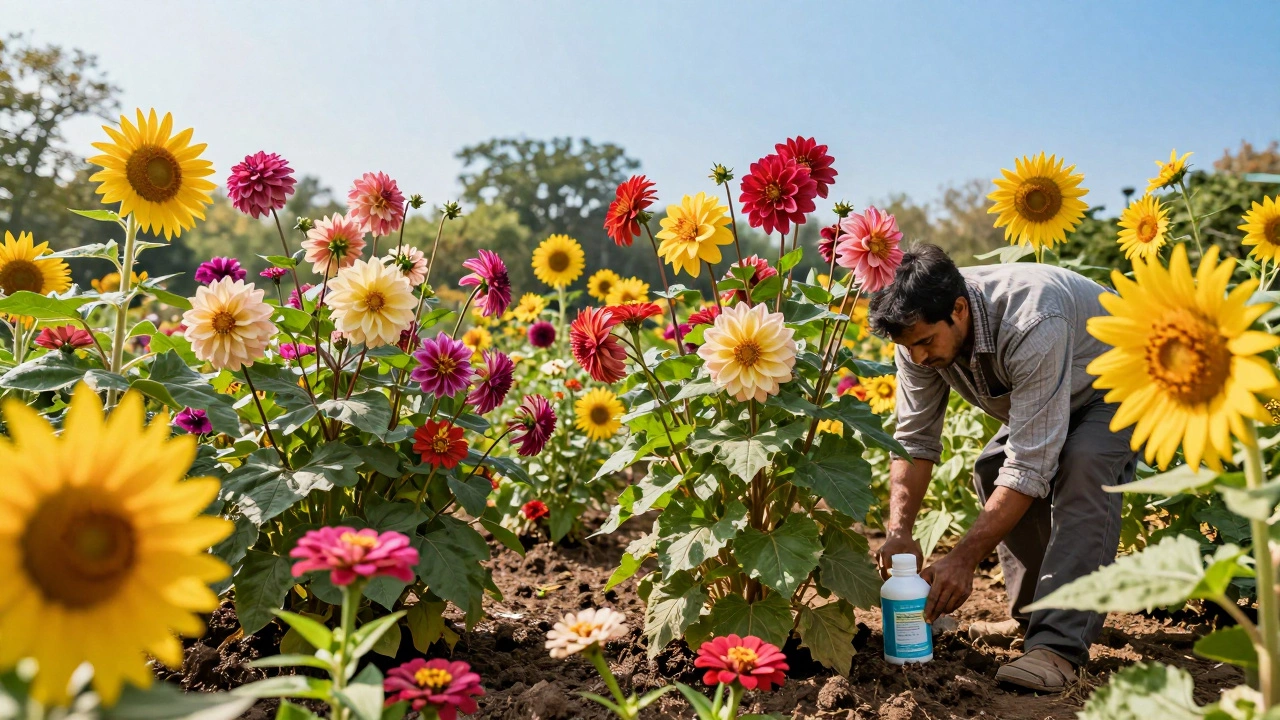
Post-monsoon is ideal for Chrysanthemums, Dahlias, Zinnias, and Sunflowers. These plants benefit from the moist soil built up during the rains and the cooler temperatures that follow, resulting in vibrant and long-lasting blooms.