Flower Production Comparison Calculator
Compare Flower Production in India
See how different flowers compare in production volume, maintenance requirements, and income potential based on Indian agricultural data.
If you’ve ever walked through a temple in Varanasi, driven past a village wedding in Rajasthan, or seen a roadside stall in Mumbai, you’ve seen it: a sea of bright orange and yellow blooms piled high, woven into garlands, scattered on altars, and strung across doorways. It’s not just decoration. It’s everywhere. And it’s not because it’s rare or expensive. It’s because marigold is the most grown flower in India.
Why Marigold Dominates Indian Gardens
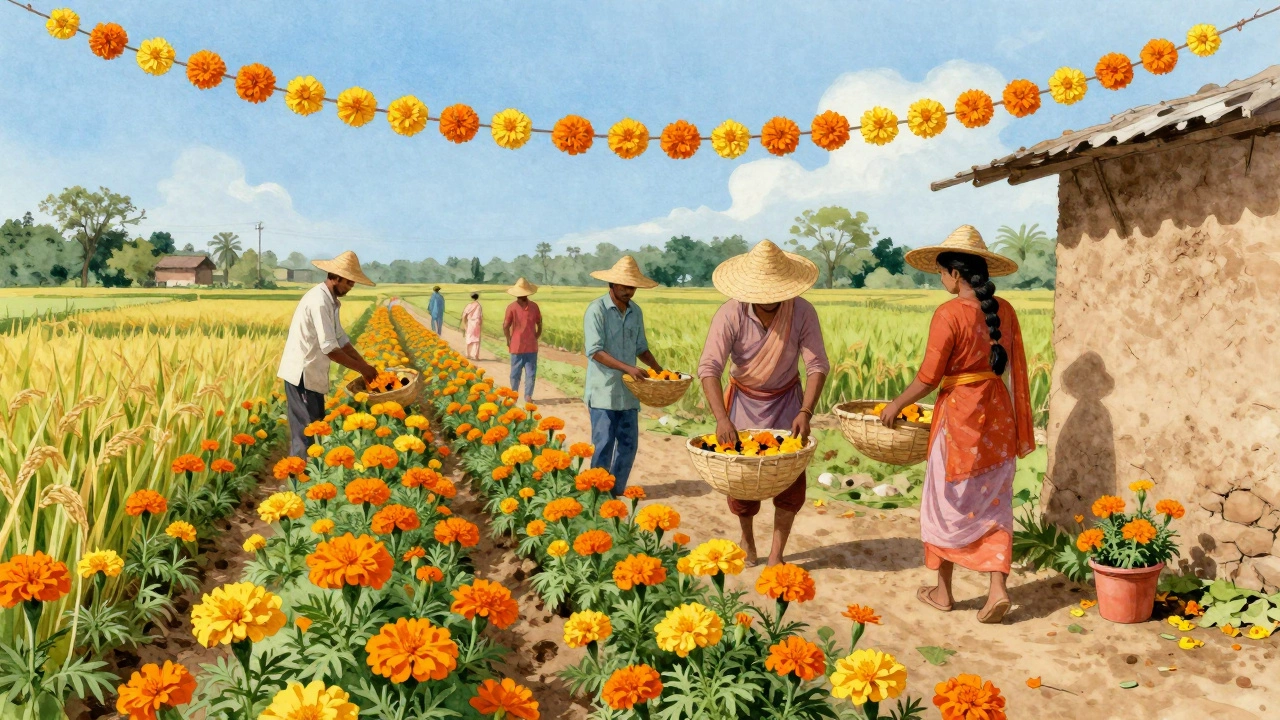
Marigold isn’t just popular-it’s practically mandatory. In 2024, India produced over 1.2 million metric tons of marigold flowers, according to the Indian Council of Agricultural Research. That’s more than all other ornamental flowers combined. You’ll find it in every state, from the chilly hills of Himachal Pradesh to the humid coasts of Kerala. It grows in backyard plots, commercial farms, and even between rows of rice or wheat.
Why? Because marigold doesn’t ask for much. It thrives in poor soil, survives 40°C heat, and blooms nonstop from October to May. It needs little water once established. No fancy fertilizers. No greenhouse. Just sun and a little patience. That’s why even small farmers with half an acre grow it-not as a luxury, but as reliable income.
More Than Just Color
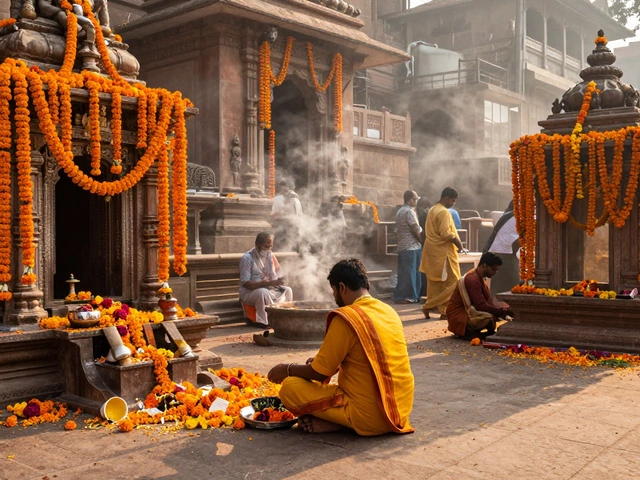
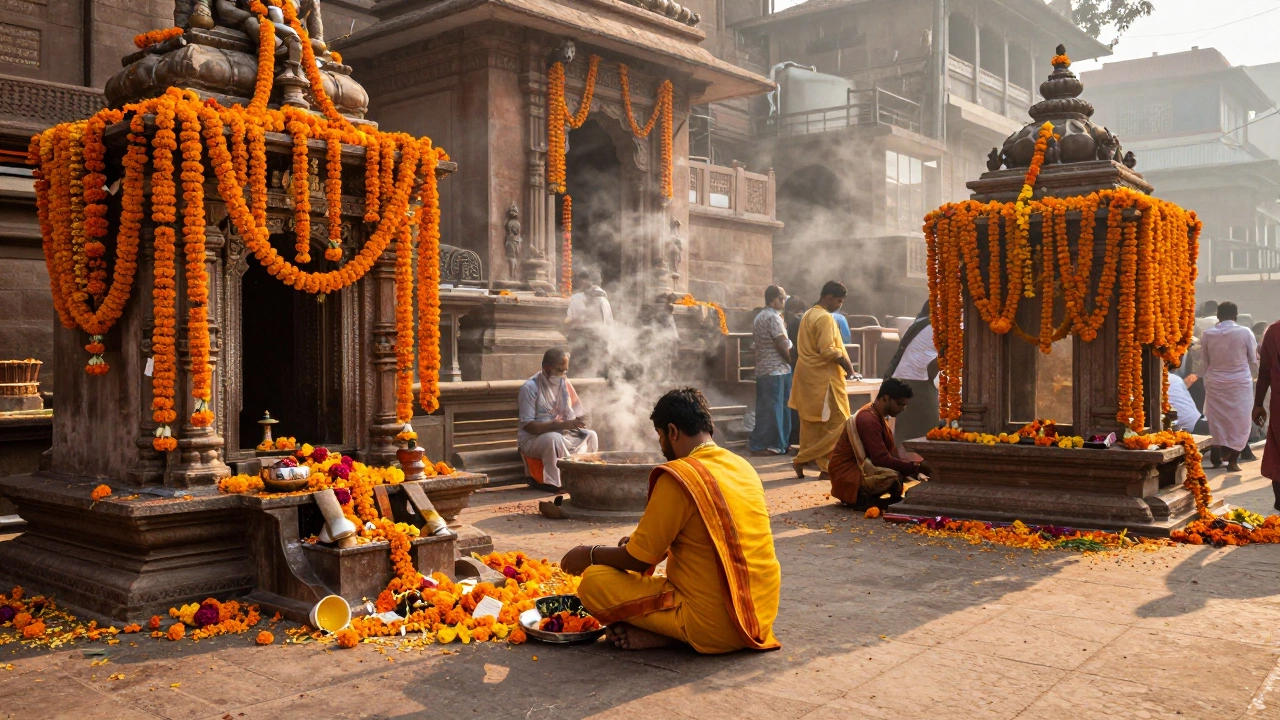
Marigold’s role goes beyond beauty. In Hindu rituals, it’s considered sacred. Its strong scent is believed to ward off negative energy. Temples use up to 500,000 marigold heads daily during festivals like Diwali and Durga Puja. In Tamil Nadu, brides wear marigold garlands. In Maharashtra, families string them into long chains called marigold phool jhaal for weddings and funerals alike.
It’s also practical. Farmers use marigold as a natural pest repellent. Planting it between tomato or potato rows reduces nematode infestations. A 2023 study by the Indian Agricultural Research Institute found that fields with marigold borders had 60% fewer soil-borne pests than those without. That’s why it’s grown not just for flowers, but as part of crop protection.
Types of Marigold Grown in India
Not all marigolds are the same. India grows three main types:
- African marigold (Tagetes erecta) - Tall, with large pom-pom blooms. Mostly grown in Maharashtra and Karnataka for commercial garlands.
- French marigold (Tagetes patula) - Smaller, bushier, and more colorful. Popular in home gardens and temple offerings.
- Signet marigold (Tagetes tenuifolia) - Fine leaves, tiny edible flowers. Grown in pockets of Rajasthan and Gujarat for culinary use.
African marigold makes up about 70% of total production. Its big, sturdy blooms hold up well in hot weather and transport easily. That’s why flower markets in Delhi and Hyderabad are flooded with it every morning.
Where It’s Grown-And Who Grows It
Andhra Pradesh leads in marigold cultivation, accounting for nearly 30% of national output. Then come Tamil Nadu, West Bengal, Karnataka, and Maharashtra. In places like Kurnool and Tirupati, entire villages rely on marigold farming. Women often handle the plucking, while men manage sales. A single farmer can earn ₹80,000-₹1,20,000 per season from just 0.5 acres.
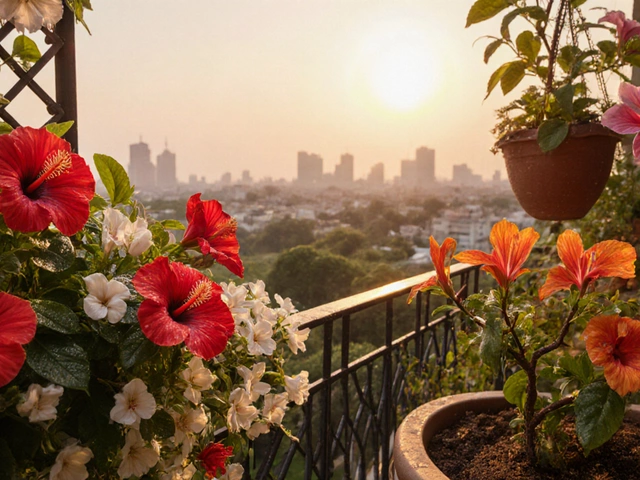
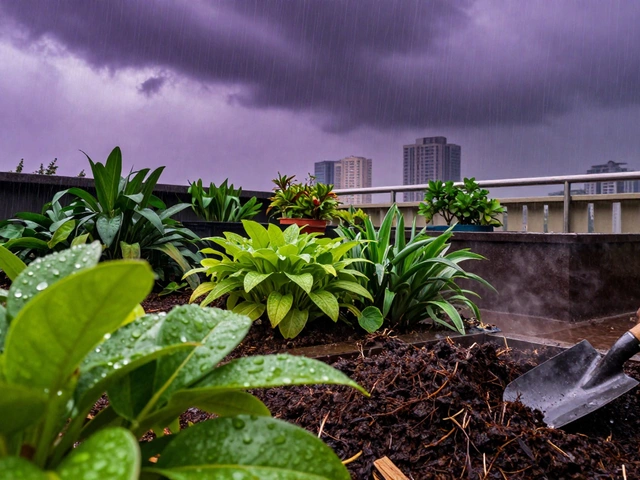
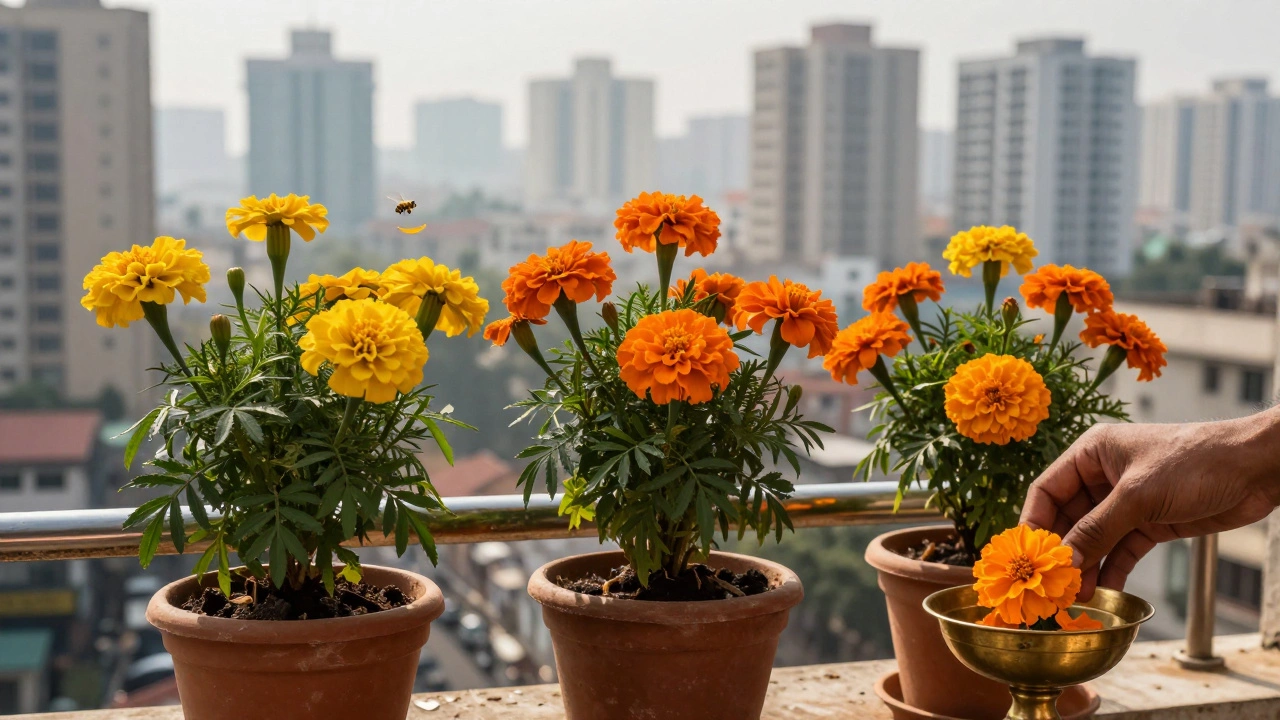
Unlike roses or lilies that need controlled environments, marigold can be grown in plastic pots, on rooftops, or even in discarded tires. That’s why urban gardeners in Bangalore and Pune are planting it too-not just for color, but because it’s easy to care for and sells fast.
How It Compares to Other Popular Flowers
People often assume roses or lotuses are more common. They’re not. Here’s how marigold stacks up:
| Flower | Annual Production (Metric Tons) | Primary Use | Growing Difficulty |
|---|---|---|---|
| Marigold | 1,200,000 | Rituals, garlands, pest control | Very Low |
| Rose | 180,000 | Perfume, gifts, weddings | High |
| Lotus | 45,000 | Religious offerings, ornamental ponds | Medium |
| Jasmine | 90,000 | Garlands, hair ornaments | Medium |
| Chrysanthemum | 60,000 | Festivals, funerals | Low |
Roses need greenhouses, constant watering, and pesticide sprays. Jasmine blooms only at night and wilts fast. Lotuses need ponds. Marigold? Just plant it, water it twice a week, and let it go wild.
Why It’s Not Going Away
There’s no sign marigold’s dominance is fading. The government promotes it through subsidies for seedlings and training for small farmers. Export demand is rising too-countries like Nepal, Bangladesh, and Sri Lanka import Indian marigold for religious festivals. Even global flower chains are sourcing it for its durability and low cost.
Urban gardening trends are helping too. In cities where space is tight, marigold fits perfectly in balcony boxes or vertical planters. It’s one of the few flowers that blooms even in polluted air. A 2025 survey by the National Horticulture Board found that 78% of new urban gardeners in India started with marigold.
What You Can Do With It
If you want to grow it yourself, here’s how:
- Buy seeds or seedlings from a local nursery-preferably African or French marigold.
- Plant in full sun. Even a windowsill with 5 hours of light works.
- Use any soil. No need for potting mix. Even garden dirt is fine.
- Water every 3-4 days. Let the top inch dry out between waterings.
- Deadhead spent blooms to keep flowering through winter.
It’ll bloom in 45-60 days. You’ll have flowers for your home, your temple, or to sell at the local market. And if you’re lucky, you might even spot a bee or two buzzing around it.
Final Thought
Marigold isn’t the most beautiful flower in India. It’s not the rarest. It’s not the most fragrant. But it’s the most useful. It feeds families, honors traditions, protects crops, and thrives where nothing else does. That’s why it’s grown more than any other flower-and why it always will be.
Is marigold the only flower grown widely in India?
No, but it’s by far the most common. Jasmine, roses, chrysanthemums, and lotuses are also grown in large numbers, especially for specific uses like perfumes, weddings, or religious ceremonies. But none match marigold in total volume, ease of growth, or versatility across regions and seasons.
Can marigold be grown indoors in India?
Yes, but it needs direct sunlight. A south-facing balcony or windowsill with at least 5 hours of sun will work. Indoor-only spaces with no sunlight won’t support healthy blooming. Use a small pot with drainage and water sparingly-marigolds hate soggy roots.
Do marigolds attract pests?
Actually, the opposite. Marigolds repel many pests, especially nematodes and whiteflies. Their strong scent confuses insects, making them a natural companion plant for vegetables like tomatoes and peppers. That’s why farmers plant them between crop rows.
How long do marigolds bloom in India?
In most parts of India, marigolds bloom from October through May. In warmer southern states like Tamil Nadu and Kerala, they can flower year-round if watered regularly. In colder northern areas, they die back in December but return quickly when temperatures rise.
Are marigolds used in cooking?
Yes, especially signet marigold. Its petals have a slightly spicy, citrusy flavor and are used in salads, rice dishes, and as a natural food coloring. In Gujarat and Rajasthan, they’re added to dal and chutneys. Always use organically grown flowers-avoid those treated with pesticides.