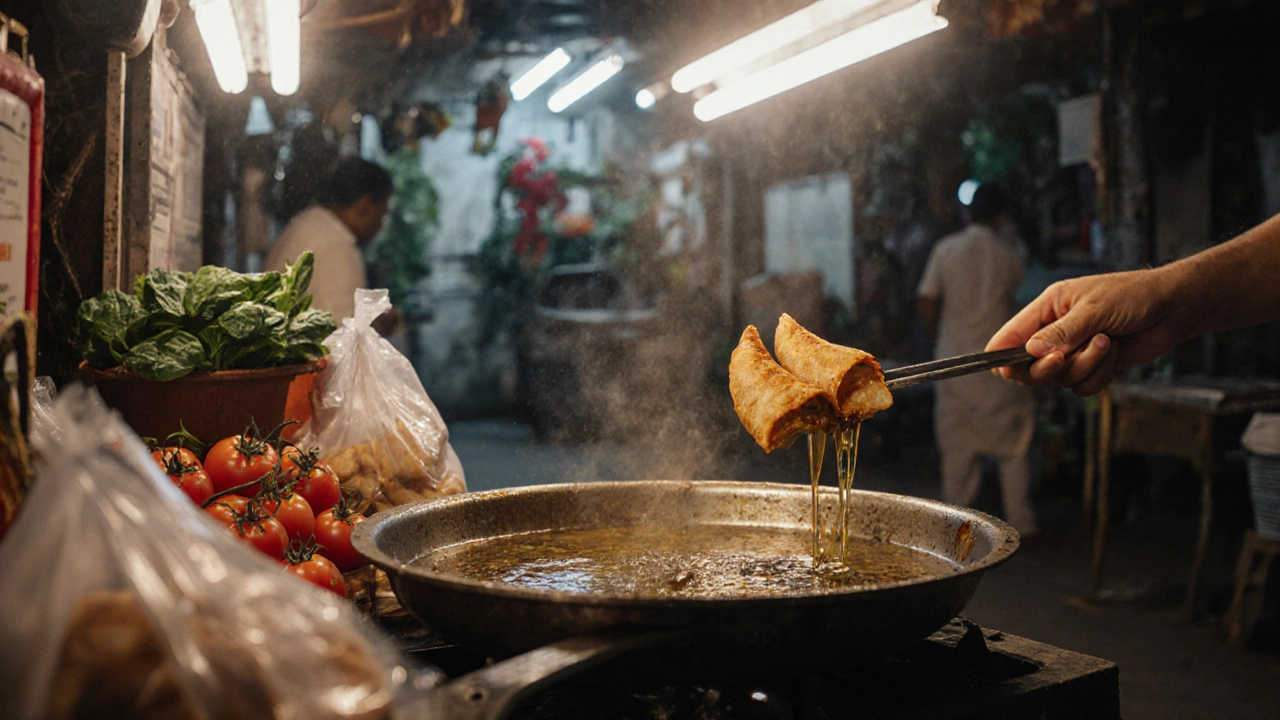
The unhealthiest food in the world isn't a single item-it's ultra-processed, sugar-laden, trans-fat-filled products designed to be addictive. Learn what to avoid and how to make better choices.
Health Risks in Gardening and Farming: What You Need to Know
When you dig into the soil or water your plants, you’re not just nurturing growth—you might also be exposing yourself to health risks, potential dangers linked to daily gardening and farming activities that can affect your skin, lungs, and long-term well-being. Also known as agricultural health hazards, these risks aren’t always obvious, but they’re real—and often preventable. Many people assume that because something is natural, like compost or soil, it’s automatically safe. But dirty soil can carry bacteria, fungi, and toxins. Even organic farms aren’t immune. A study from the Indian Council of Medical Research found that farmers who worked with untreated manure without gloves had a 40% higher chance of skin infections compared to those who used protection.
Soil contamination, the presence of harmful substances like heavy metals or pesticide residues in garden soil. Also known as toxic earth, it’s one of the quietest threats in home gardens. If you’re growing vegetables in a balcony pot or a backyard plot near a busy road, lead or arsenic from old paint, car exhaust, or industrial runoff might be in your dirt. And if you’ve ever used cheap, unnamed fertilizers, you could be adding cadmium or mercury without knowing it. Then there’s garden chemical exposure, the direct contact with synthetic pesticides, herbicides, or fungicides that can enter your body through skin, inhalation, or even food. Also known as pesticide drift, it’s not just a farm problem—urban gardeners using store-bought sprays are at risk too. You don’t need to be spraying chemicals daily to be affected. Residue lingers on leaves, gets tracked into the house, and shows up in your food. Even organic gardeners can face issues if their compost contains contaminated plant waste.
And it’s not just chemicals. Organic farming health, the balance between natural practices and hidden dangers in compost, manure, and untreated water. Also known as natural farming safety, it’s a double-edged sword. Fresh cow dung might feed your plants, but if it’s not properly aged, it carries E. coli and salmonella. Rainwater collected from rooftops can carry bird droppings, mold spores, and pollutants. Breathing in dust from dry compost piles can trigger asthma or allergic reactions. These aren’t myths—they’re documented cases from rural clinics in Uttar Pradesh and Tamil Nadu where gardeners developed chronic respiratory issues after years of working without masks.
What’s worse? Most people don’t realize they’re at risk until it’s too late. No one warns you that kneeling on wet soil for hours can cause joint damage. Or that handling thorny plants without gloves can lead to deep infections. Or that using a pressure washer on your terrace garden can spray toxic mold into your face. The good news? You don’t need expensive gear to protect yourself. Simple steps—washing hands after gardening, wearing gloves, avoiding chemical sprays near food crops, testing your soil every few years—can cut your risk in half.
Below, you’ll find real stories and practical fixes from gardeners and farmers who’ve faced these dangers head-on. From how white rice affects your cholesterol to why drip emitters can harbor bacteria, these posts aren’t just about plants—they’re about keeping you safe while you grow them.