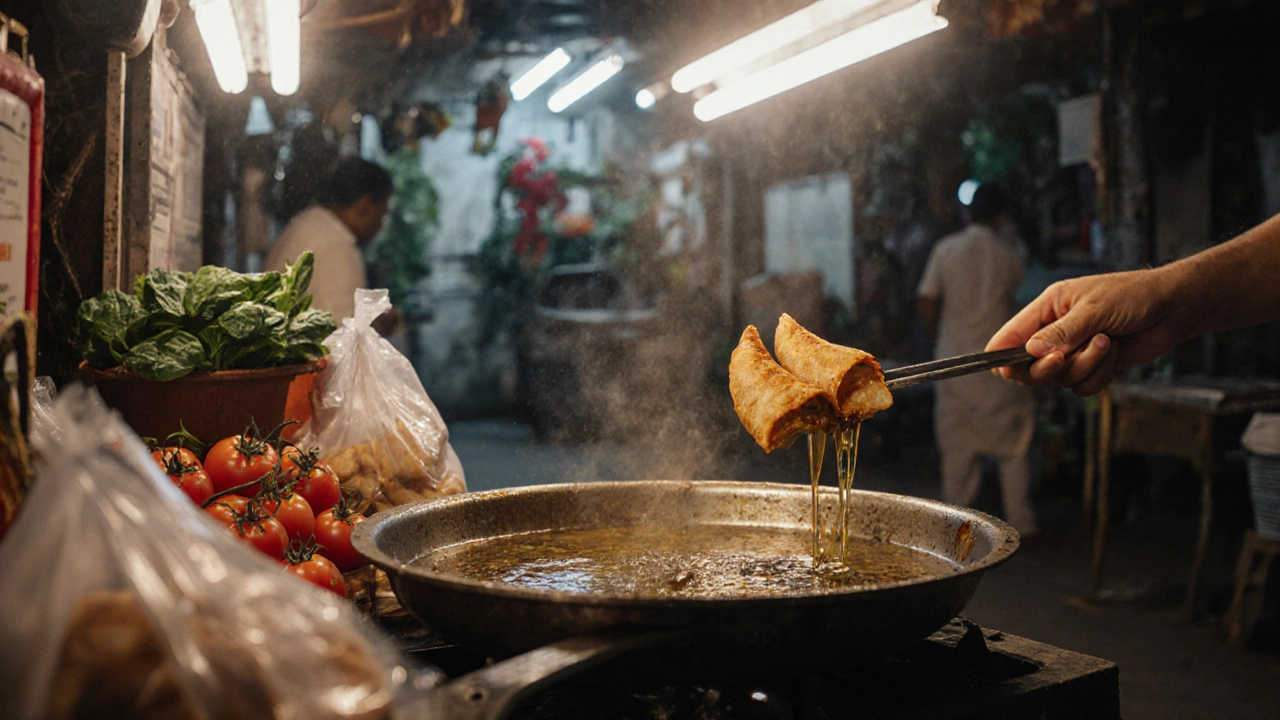
The unhealthiest food in the world isn't a single item-it's ultra-processed, sugar-laden, trans-fat-filled products designed to be addictive. Learn what to avoid and how to make better choices.
Sugar in Gardening and Farming: Uses, Myths, and Practical Tips
When you think of sugar, a simple carbohydrate used for energy in living organisms. Also known as sucrose, it’s not just for tea or baking—it plays a quiet but real role in plant health and soil biology. Many gardeners in India swear by adding sugar to water for their plants, claiming it boosts growth, fights pests, or feeds beneficial microbes. But does it actually work? And if so, how? The truth isn’t as simple as sprinkling a spoonful on the soil.
Soil health, the condition of soil in terms of its ability to support plant growth is deeply tied to microbial activity. Sugar can act as a quick energy source for bacteria and fungi, especially in compost piles or when used in small doses as a foliar spray. But too much sugar can throw off the balance, inviting harmful fungi or attracting ants and flies. It’s not a fertilizer—it doesn’t provide nitrogen, phosphorus, or potassium. Think of it more like a snack for the tiny life in your dirt, not a full meal for your plants.
Organic farming, a method of cultivation that avoids synthetic inputs and relies on natural processes often turns to home remedies, and sugar is one of them. Some farmers mix sugar with molasses and water to encourage microbial breakdown of organic matter in compost. Others use diluted sugar solutions to help stressed plants recover after transplanting. But these are niche techniques, not magic fixes. The real power in organic farming comes from compost, mulch, crop rotation, and healthy soil structure—things that build long-term resilience, not quick sugar fixes.
What you’ll find in the posts below isn’t a list of sugar recipes. It’s a collection of practical, grounded advice from real gardens across India. You’ll read about how to improve dense soil with compost, how drip systems keep plants hydrated without waste, and why some plants bloom year-round even in harsh heat. You’ll learn what actually helps plants thrive—not gimmicks, but methods backed by observation and experience. If you’ve ever wondered whether sugar helps your basil grow faster or if it’s just a myth, you’ll find answers here. No fluff. No hype. Just what works in Indian conditions.