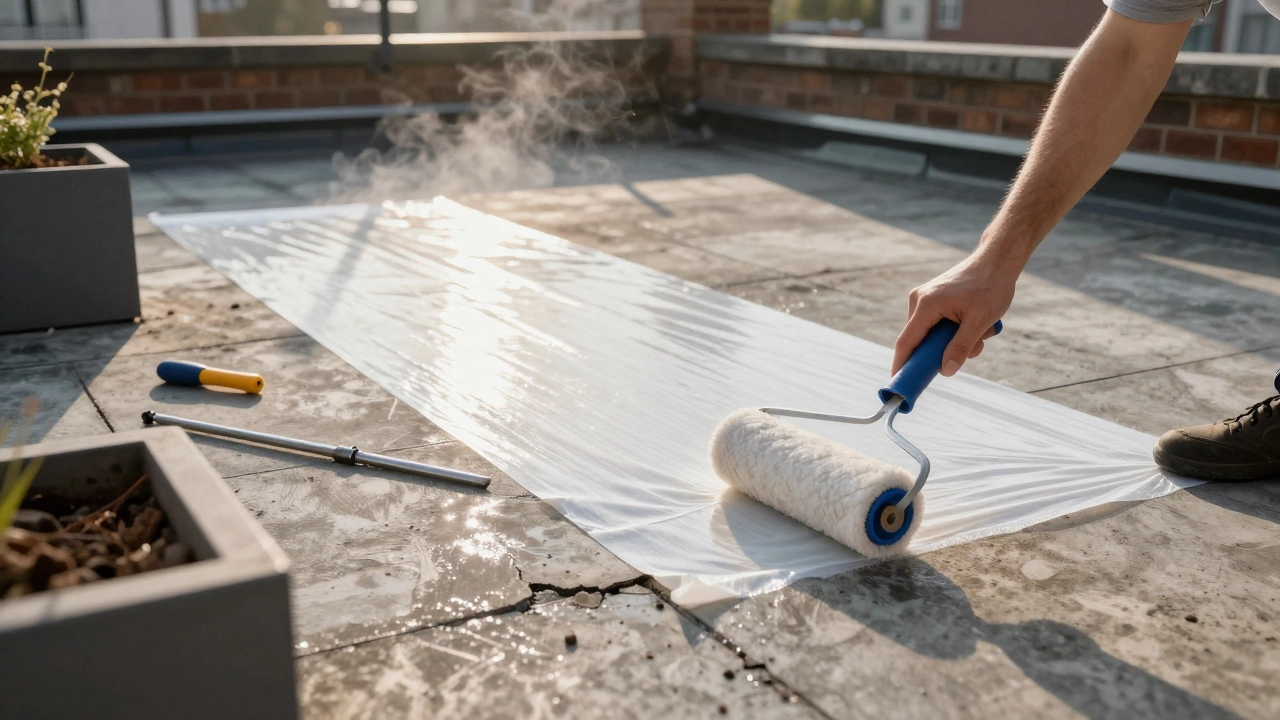
Learn how to waterproof a terrace roof for gardening with step-by-step instructions, material recommendations, and tips to prevent leaks. Perfect for UK gardeners in rainy climates like Brighton.
Terrace Gardening Waterproofing: Protect Your Space and Grow Stronger Plants
When you turn your terrace into a garden, you’re not just adding greenery—you’re adding weight, moisture, and constant exposure to the elements. Without proper terrace gardening waterproofing, a system designed to prevent water from seeping into building structures while supporting plant growth. Also known as roof garden waterproofing, it’s the invisible backbone of every successful urban garden in India. Skip this step, and you risk cracked walls, peeling paint, mold in your apartment below, or worse—structural damage. The good news? It’s not complicated if you know what to do and what to avoid.
Waterproofing isn’t just about slapping on a coat of paint. It’s a mix of materials, slope, drainage, and long-term care. Terrace garden drainage, the system that moves excess water away from the surface and into safe outlets is just as critical. Without it, even the best waterproof membrane will fail. You need channels, grates, or sloped surfaces that guide water toward drains—not puddles that sit for days. And don’t forget balcony waterproofing, a similar but smaller-scale version used in urban homes where space is tight and leaks spread fast. Many people treat their terrace like a big balcony, but the scale changes everything. More soil, more pots, more water—more pressure on the structure.
Indian weather makes this even trickier. Monsoon rains pour down for weeks. Summer heat cracks old coatings. If you’re using clay pots, you’re adding constant moisture. If you’re growing vegetables or flowers in raised beds, you’re adding hundreds of kilos of weight. The right waterproofing doesn’t just block water—it lets the terrace breathe, handles movement from temperature changes, and lasts years without peeling or bubbling. Products like liquid rubber membranes, bituminous coatings, or polyurethane-based sealers are common, but not all are made for gardens. Some are meant for parking lots or roofs with no plants. You need something that won’t break down under roots or become toxic to soil.
And here’s the part most guides skip: maintenance. Waterproofing isn’t a one-time fix. You need to check for cracks every season, clean drains after heavy rain, and reapply sealant every 2–3 years. Look for signs: damp patches on the ceiling below, white salt deposits on walls, or soil that stays soggy for days. These aren’t just garden problems—they’re warning signs your waterproofing is failing.
What you’ll find below are real, tested solutions from people who’ve done this in India—on rooftops in Mumbai, balconies in Delhi, and terraces in Chennai. No theory. No fluff. Just what works when the rains come and the sun bakes the surface. You’ll learn how to choose the right materials, avoid cheap traps, fix leaks without tearing up your garden, and even turn waterproofing into part of your garden’s design—not just a hidden layer under the soil. Whether you’re starting from scratch or fixing a leaky mess, these guides give you the exact steps to protect your home and grow your garden without fear.

Learn how to stop your terrace from leaking with simple, proven steps-clearing drains, sealing cracks, and applying waterproof coatings. Fix water damage before it ruins your home.