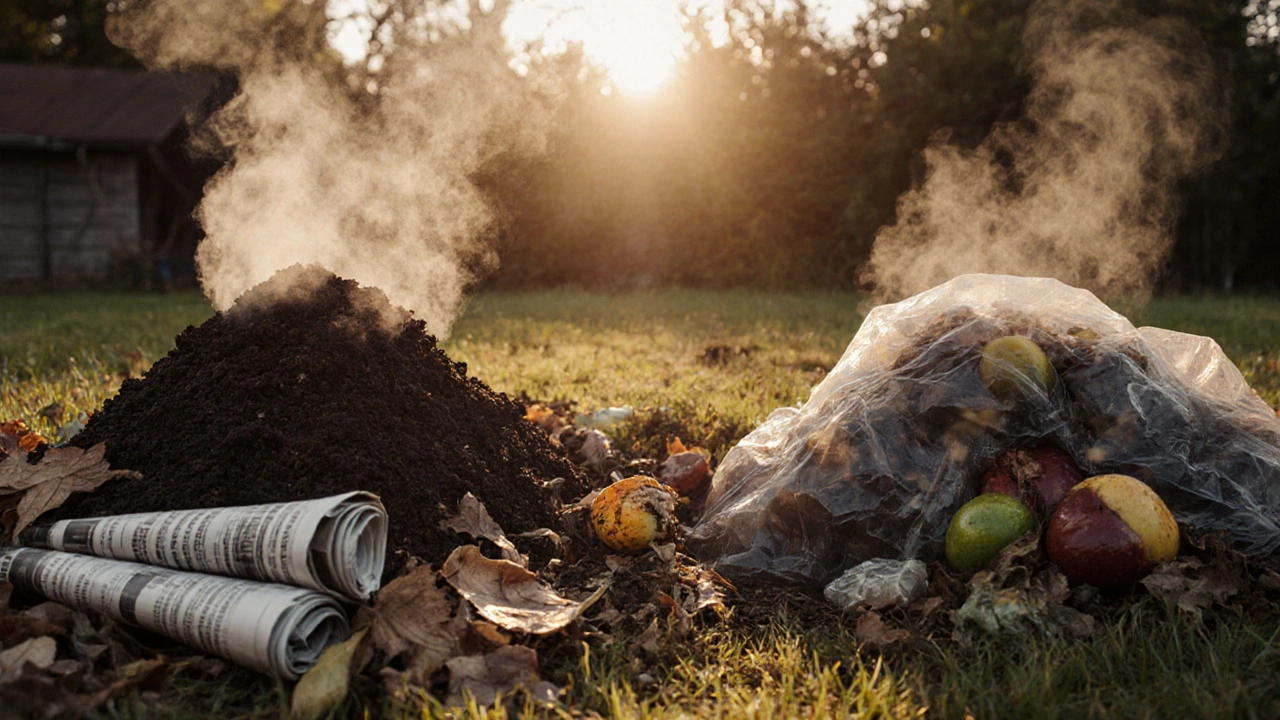
Discover how to make the best homemade compost with simple recipes, step‑by‑step guides, and troubleshooting tips for faster, odor‑free results.
Vermicomposting: Turn Kitchen Waste Into Rich Soil for Indian Gardens
When you think of vermicomposting, a method of breaking down organic waste using earthworms to create nutrient-dense fertilizer. Also known as worm composting, it’s one of the simplest ways to turn your kitchen scraps into something your plants will love. You don’t need a big yard. You don’t need fancy equipment. Just a container, some worms, and your coffee grounds, fruit peels, and veggie scraps. In just a few weeks, you’ll have dark, crumbly soil that makes plants grow faster and stronger—no chemicals needed.
This isn’t just for rural farms. In cities like Delhi, Bangalore, or Pune, where space is tight and soil is often poor, vermicomposting is a game-changer. It works on balconies, terraces, even inside kitchens. The worms—usually red wigglers—eat waste and leave behind castings packed with nitrogen, phosphorus, and beneficial microbes. These castings are way better than store-bought fertilizers because they’re alive with organisms that help plants absorb nutrients. And unlike chemical fertilizers, they won’t burn roots or kill soil life.
It’s not magic, but it feels like it. You’re not throwing away waste—you’re feeding your garden. And the best part? It’s cheap. You can build a bin from an old plastic tub. You can get worms from a neighbor who already does it. You don’t need to buy anything. This is how generations of Indian farmers used to work the land before synthetic inputs took over. Now, it’s coming back—not as a trend, but as common sense.
People who try vermicomposting often start with one bin, then add another. Then they give it to friends. Then they start growing tomatoes, chillies, or spinach with it. And they notice something: their plants don’t just grow—they thrive. Leaves are greener. Flowers last longer. Even stubborn plants like basil and coriander bounce back faster. That’s the power of worm castings. They don’t just feed plants. They heal the soil.
What you’ll find in the posts below aren’t just instructions. They’re real stories from people who turned their waste into wealth. You’ll see how to set up a bin in a tiny apartment, how to fix a smelly compost pile, what to feed your worms (and what to avoid), and how to use the finished compost on everything from potted herbs to backyard veggies. Some posts even show how it connects to bigger ideas—like reducing plastic bags, saving water, or growing food without buying fertilizer. This isn’t just about compost. It’s about building a garden that works with nature, not against it.