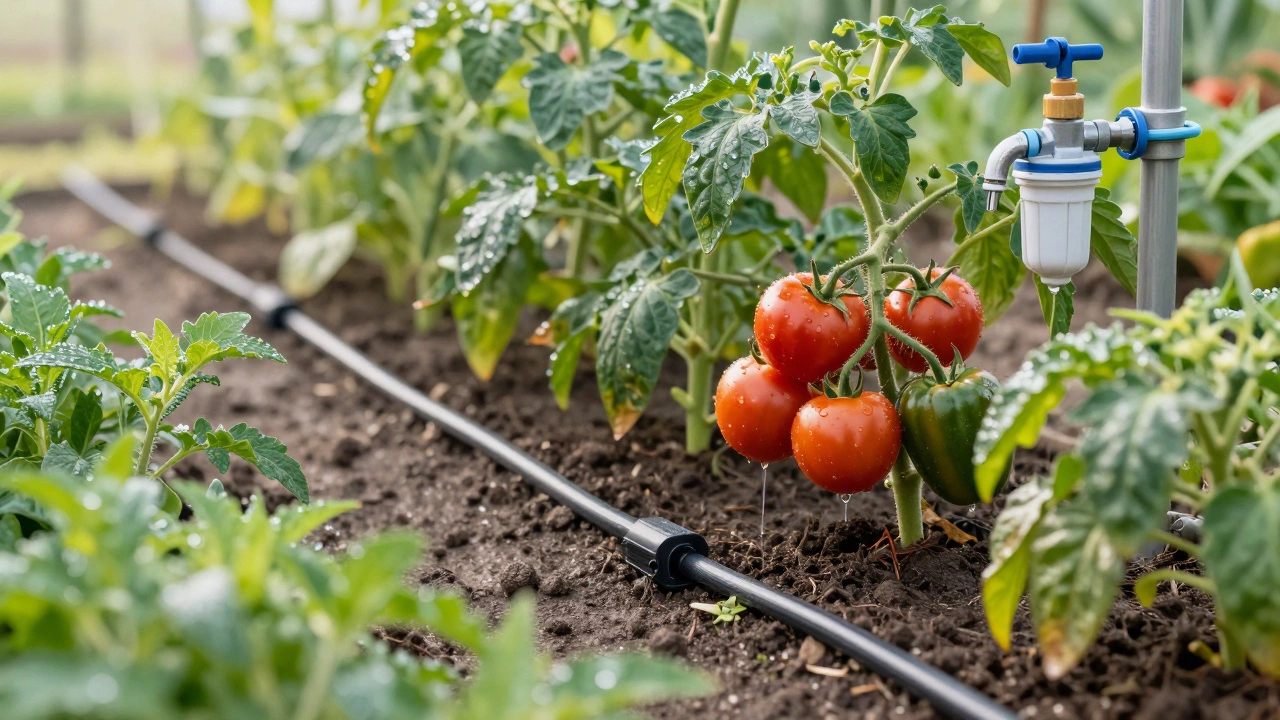
Drip irrigation kits save water, time, and boost garden yields. Learn if they're worth the cost for UK gardens, what to buy, how to install, and how to maintain them for long-term success.
Water Saving Garden: Smart Ways to Cut Water Use and Keep Your Garden Green
When you build a water saving garden, a garden designed to thrive with minimal water using smart plants, efficient systems, and natural soil practices. Also known as xeriscape, it’s not about letting your yard go brown—it’s about making every drop count, especially in India’s dry spells and erratic monsoons. Most people think gardens need constant watering, but that’s just old thinking. In places like Haryana or Rajasthan, where water is tight and temperatures climb, a water saving garden isn’t a luxury—it’s the only way to keep plants alive without breaking the bank or wasting resources.
What makes this work? It starts with the drought-tolerant plants, species that survive long dry periods with little to no extra water. Think native Indian flowers like portulaca, lantana, or the ever-blooming marigold—plants that have adapted to our heat and soil over centuries. Then there’s the drip irrigation, a system that delivers water straight to plant roots, drop by drop, with almost no waste. Unlike sprinklers that lose half their water to wind and evaporation, drip lines keep moisture where it’s needed. And let’s not forget low maintenance garden, a design that reduces weeding, pruning, and replanting by using perennials, mulch, and smart spacing. These aren’t fancy terms—they’re practical tools that real farmers and urban gardeners in India use every day.
A water saving garden doesn’t mean giving up color or variety. It means choosing the right plants for the right spots. Hydrangeas? They need shade and constant moisture—so avoid them on hot terraces. But zinnias? They bloom hard and dry, perfect for sunny balconies. Even your soil matters: dense clay holds water too long, while sandy soil drains too fast. Adding compost or leaf mold fixes both problems, letting roots breathe and water soak in slowly. And if you’ve ever had a clogged drip emitter or a leaking terrace, you know how fast water loss adds up. Fixing those small issues saves gallons every week.
This isn’t about being perfect. It’s about being smarter. You don’t need a big plot or fancy tools. Even a single balcony with a few pots can become part of a water saving garden. The posts below show you exactly how—whether it’s making your own topsoil, choosing plants that bloom all year, fixing leaky terraces, or setting up a drip system that actually works. No fluff. No guesswork. Just what works in Indian conditions, from rural fields to city balconies. Ready to grow more with less?