Kitchen Garden Plant Selector
There is something deeply satisfying about snipping fresh basil right before tossing it into a pasta sauce or pulling a crisp radish from the soil while making lunch. But if your kitchen window sill is cluttered with dying succulents and your balcony pot holds only dust, you might feel like growing food is reserved for people with green thumbs and acres of land. It isn’t. In fact, starting a kitchen garden is one of the most practical ways to save money on groceries and eat fresher, without needing a farm.
The secret isn't magic; it's choosing the right plants. Some crops are naturally suited to the chaotic, high-traffic environment of a home kitchen. They tolerate being forgotten for a day, they thrive in pots, and they offer immediate rewards. Let’s look at exactly what grows well where you cook and live.
The Holy Trinity of Kitchen Herbs
If you are just starting out, ignore the exotic spices for a moment. Focus on the workhorses. These three herbs form the backbone of most home cooking and are remarkably forgiving of beginner mistakes.
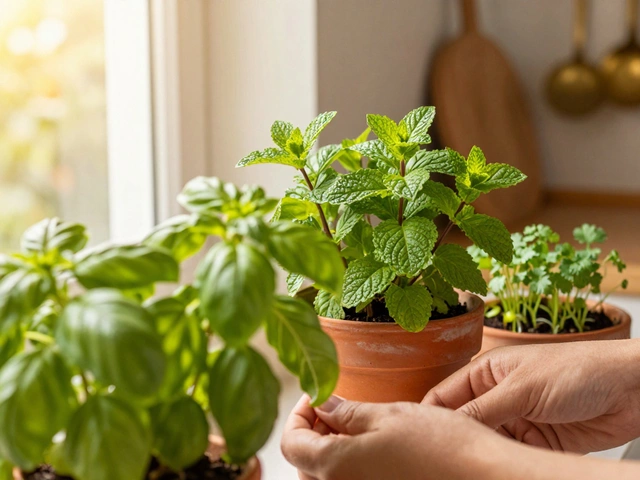
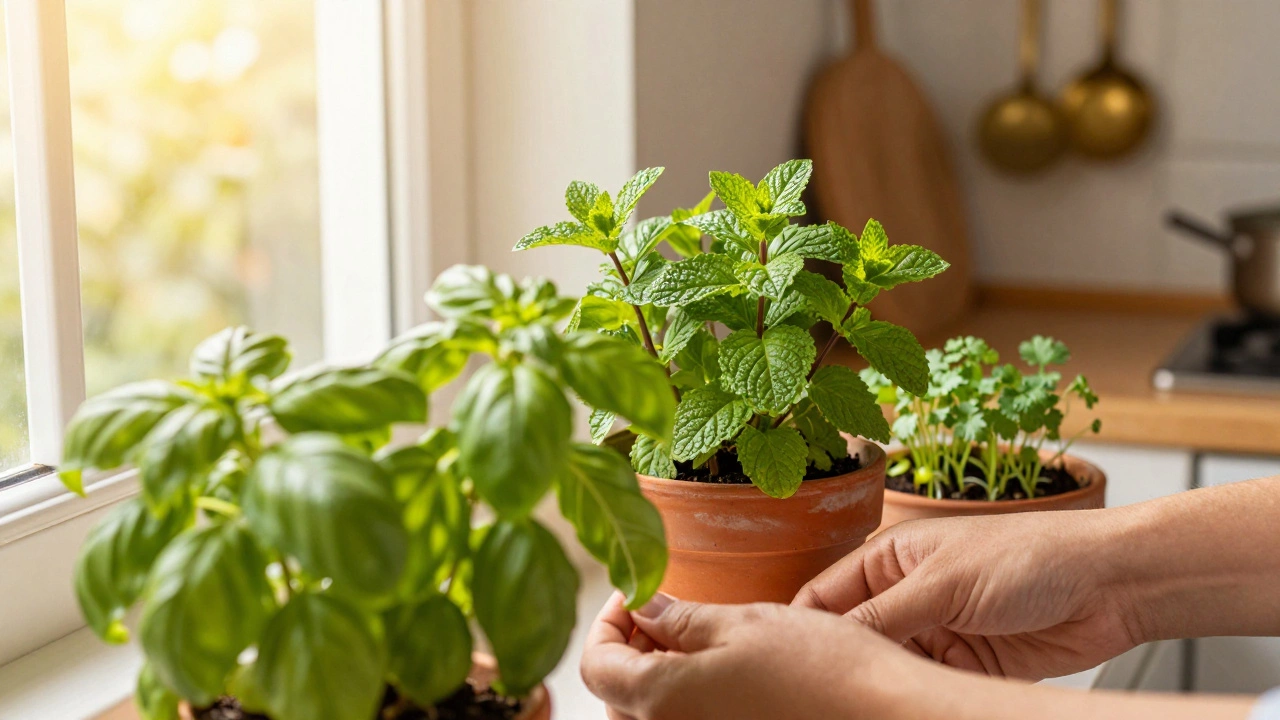
- Basil: This is the star of summer cooking. Basil loves heat and light. If you have a sunny windowsill facing south, this is its home. The trick with basil is not to let it dry out completely, but also not to drown it. Pinch off the top leaves regularly to encourage bushy growth rather than tall, leggy stems. Without pinching, it will bolt (flower) quickly, turning the leaves bitter.
- Mint: Mint is aggressive. It wants to take over your entire garden. Because of this, it is perfect for a container. Plant it in a deep pot by itself. If you plant mint next to other herbs, it will choke them out within weeks. It tolerates lower light levels better than basil, making it great for north-facing windows. Just remember to harvest it often; the more you pick, the stronger it grows.
- Cilantro (Coriander): This herb is tricky because it bolts in heat. To keep cilantro fresh longer, grow it in cooler spots and succession sow seeds every two weeks. Don’t buy one big plant; instead, start small batches so you always have young, tender leaves ready for salsa or curry.
These herbs solve the problem of wilted grocery store bunches that turn brown after three days. Fresh-picked flavor changes how you cook.
Vegetables That Thrive in Small Spaces
You don’t need rows of soil to grow vegetables. Many varieties are bred specifically for containers and compact spaces. These are ideal for balconies, patios, or even large kitchen counters with good light.
| Plant | Light Requirement | Harvest Time | Key Tip |
|---|---|---|---|
| Radishes | Full Sun | 3-4 Weeks | Sow directly in soil. Do not transplant. |
| Lettuce (Leaf) | Partial Shade | 5-6 Weeks | Cut outer leaves, let center regrow. |
| Cherry Tomatoes | Full Sun | 8-10 Weeks | Needs support stake and daily water. |
| Green Beans (Bush) | Full Sun | 7-8 Weeks | Choose 'bush' varieties, not pole beans. |
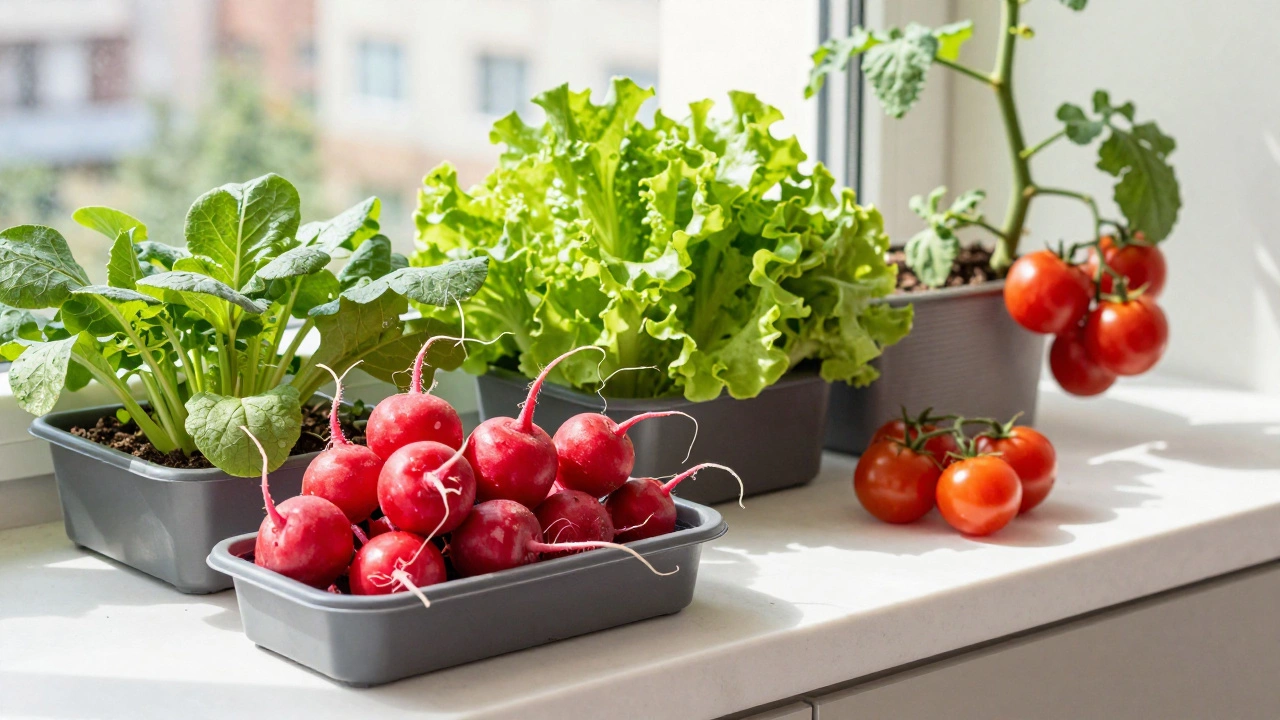
Radishes are the confidence builder of the vegetable world. You can go from seed to harvest in under a month. They require very little space-a shallow tray works fine. The key is thinning. If you pack seeds too tightly, the radishes will be tiny and misshapen. Pull out half the sprouts once they have two true leaves.
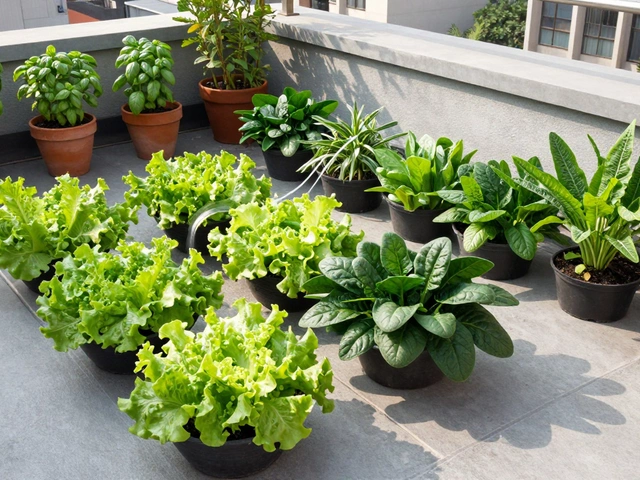
Leaf lettuce, such as Oakleaf or Butterhead, is easier than head lettuce. You don’t wait for a giant ball of leaves to form. Instead, practice "cut-and-come-again" harvesting. Snip the outer leaves when they are 4 inches long. The center continues to produce new growth for months. This method keeps the plant healthy and provides a steady salad supply.
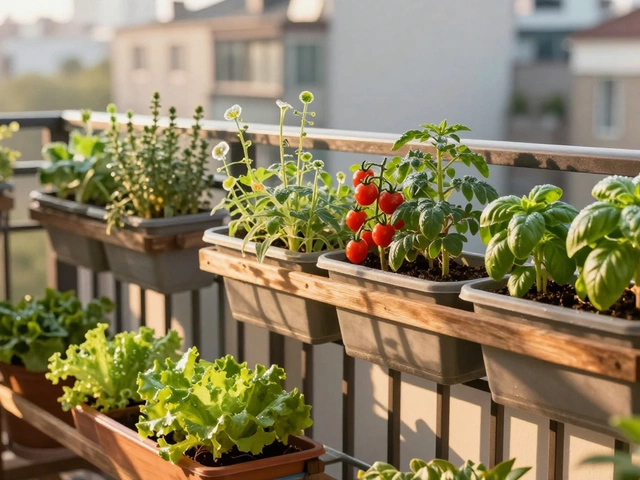
For those craving fruitier flavors, Cherry tomatoes are superior to large slicing tomatoes for small spaces. They produce heavily and ripen faster. However, they are thirsty. If you forget to water them for a day, the fruits may split or drop. Place them in the sunniest spot available-at least six hours of direct sunlight daily.
Edible Flowers and Garnishes
Don’t overlook the visual appeal of your kitchen garden. Edible flowers add color and subtle flavors to dishes, and many are incredibly easy to grow indoors.
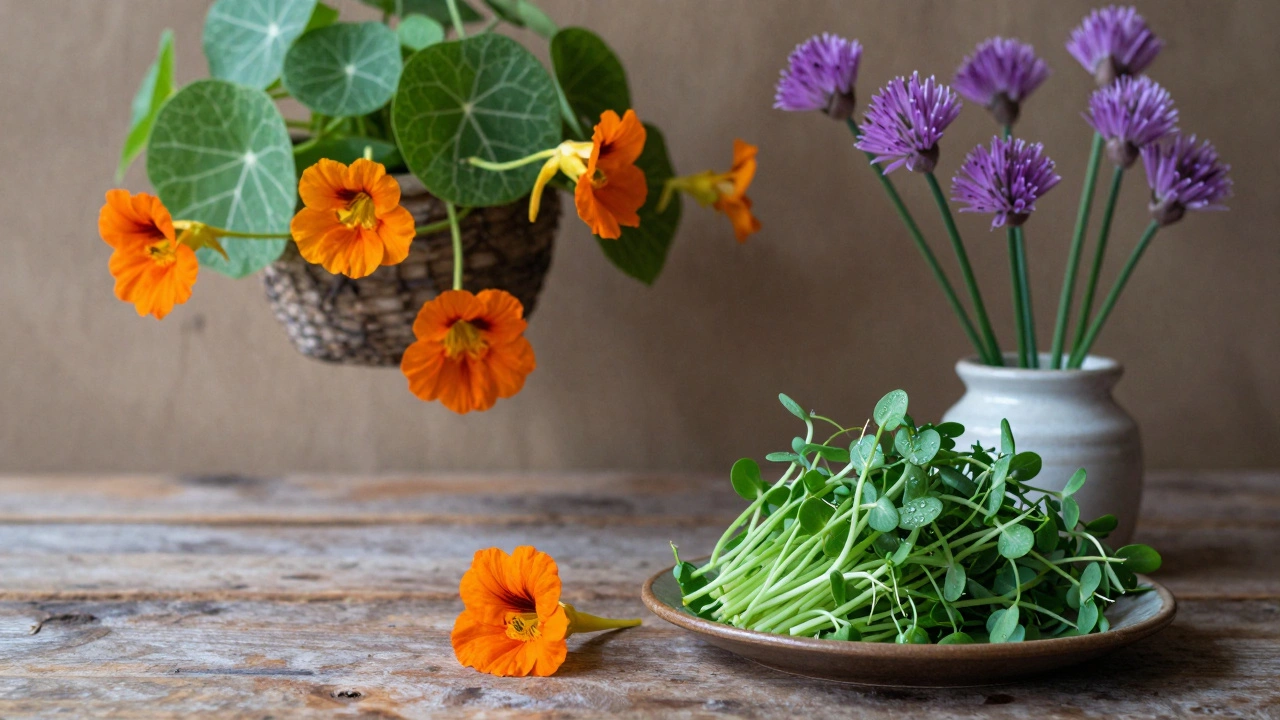
- Nasturtiums: These peppery flowers taste similar to arugula. They grow fast and trail beautifully over the edge of hanging baskets. Both the petals and the leaves are edible. Nasturtiums also act as a trap crop for aphids, protecting your other plants.
- Chives: While technically an herb, chives produce purple onion-like flowers that are edible and pretty. The flowers have a mild onion flavor and make a stunning garnish for soups or baked potatoes. Chives are perennial, meaning they come back year after year if kept alive through winter.
- Microgreens: These aren’t flowers, but they bridge the gap between herbs and vegetables. Grow radish, pea, or sunflower microgreens in a shallow tray on a counter. They are ready to harvest in 7-10 days with scissors. Microgreens are nutrient-dense and require zero soil depth.
Incorporating these elements turns your kitchen garden into a functional centerpiece. It’s not just about utility; it’s about enjoying the process of growing.
Essential Setup: Light, Soil, and Pots
Even the best plants will fail if the basic conditions are wrong. Before buying seeds, check your environment.
Light is non-negotiable. Most vegetables need full sun (6+ hours). Herbs can manage with partial shade (4 hours). If your kitchen is dark, invest in a simple LED grow light. A $20 clip-on bulb can transform a dark corner into a productive zone. Look for lights labeled "full spectrum" to mimic natural sunlight.
Soil matters. Never use dirt from your yard. Garden soil compacts in pots, suffocating roots. Buy a bag of "potting mix" designed for containers. It contains perlite or vermiculite to keep air flowing around the roots. For heavy feeders like tomatoes, mix in a slow-release organic fertilizer at planting time.
Pots must drain. Every container needs holes in the bottom. Waterlogging is the #1 killer of indoor plants. If you love a decorative pot without holes, plant in a plastic nursery pot and slide it inside the decorative one. This allows you to remove the inner pot for watering and drainage control.
Common Mistakes to Avoid
New gardeners often kill plants by loving them too much. Here are the pitfalls to watch for:
- Overwatering: Stick your finger an inch into the soil. If it feels damp, wait. Most herbs prefer to dry out slightly between waterings. Yellowing leaves usually mean too much water, not too little.
- Ignoring Pests: Even indoor gardens get bugs. Aphids and whiteflies love tender herbs. Check the undersides of leaves weekly. A blast of strong water from the tap can dislodge pests. For persistent issues, use neem oil spray, which is safe for edible plants when used correctly.
- Buying Giant Seeds for Tiny Pots: Read the seed packet. If a plant says it grows 3 feet tall, it won’t fit in a 6-inch pot. Choose dwarf or patio varieties specifically bred for containers.
Avoiding these errors saves time and frustration. Gardening should be relaxing, not stressful.
Seasonal Planning for Year-Round Harvests
Your kitchen garden doesn’t have to stop in winter. Adjust your plant choices based on the season.
In spring and summer, focus on heat-loving crops: basil, cherry tomatoes, peppers, and cucumbers. As temperatures drop in autumn, switch to cool-season crops: spinach, kale, and parsley. These tolerate frost and low light better. In deep winter, stick to hardy herbs like rosemary and thyme, which can survive indoors with minimal light if watered sparingly.
Succession planting is key. Don’t plant all your lettuce at once. Sow a few seeds every week. This ensures you always have fresh greens, rather than a massive glut that spoils before you can eat it.
Can I grow a kitchen garden in a dark apartment?
Yes, but you will need artificial light. Natural light from a single window is rarely enough for vegetables. Invest in a full-spectrum LED grow light. Herbs like mint and chives can survive in lower light, but they will grow slower. Leafy greens like lettuce are more adaptable than fruiting plants like tomatoes.
What is the easiest vegetable to grow for a beginner?
Radishes are the easiest. They germinate quickly, grow fast, and require minimal space. Leaf lettuce is also very forgiving. Both provide quick rewards, which keeps motivation high. Avoid starting with complex plants like broccoli or cauliflower, which require specific temperature ranges and more care.
Do I need special soil for indoor plants?
Yes. Use a high-quality potting mix, not garden soil. Potting mix is lighter and drains better, preventing root rot. Look for mixes labeled for "containers" or "houseplants." Adding perlite improves drainage further. Avoid heavy soils that compact in pots.
How often should I water my kitchen garden?
There is no fixed schedule. Check the soil moisture by sticking your finger an inch deep. If it feels dry, water until it runs out the bottom. Overwatering is more common than underwatering. Herbs generally prefer drier soil, while leafy greens like consistent moisture.
Can I reuse pots from grocery store herbs?
Yes, but clean them thoroughly first. Scrub out old soil and rinse well. Ensure the pots have drainage holes. If they don’t, drill small holes in the bottom. Reusing pots is eco-friendly and cost-effective, but make sure the material is food-safe and durable.