Supreme Superfood Selector
Select your gardening preferences and nutritional needs to find the perfect indigenous superfood for your balcony or terrace.
Enter your details to get a personalized recommendation.
You’ve probably heard the term superfood thrown around in health magazines and Instagram feeds. But what actually makes a plant earn that title? Is it just marketing hype, or is there real science behind calling something a "supreme" superfood? If you’re growing your own vegetables on a balcony in Mumbai or a terrace in Delhi, understanding this concept can change how you plan your garden. It’s not about chasing exotic imports like quinoa or chia seeds that travel thousands of miles to reach your plate. It’s about unlocking the potential of plants that thrive right here in our climate.
A supreme superfood isn’t just healthy; it’s nutrient-dense, resilient, and often overlooked. For Indian gardeners, this means looking at indigenous crops with fresh eyes. These are plants that pack a massive punch of vitamins, minerals, and antioxidants while requiring minimal water and care. Let’s break down what defines these powerhouses and which ones deserve a spot in your next planting cycle.
Defining the Supreme Superfood
The term "superfood" has no strict scientific definition. It’s more of a cultural label for foods with high nutritional value relative to their calorie content. However, when we add the word "supreme," we’re raising the bar. A supreme superfood meets three specific criteria: exceptional nutrient density, environmental sustainability, and accessibility.
First, nutrient density means the food provides significant amounts of essential nutrients-like Vitamin A, C, iron, and calcium-per gram consumed. Second, sustainability matters because a true superfood shouldn’t come with a heavy carbon footprint. Third, accessibility ensures that people can actually grow or buy it without breaking the bank. In the context of Indian gardening, this shifts the focus away from imported berries and toward local greens and roots that have been staples for centuries but were recently ignored in favor of Western trends.
Think of it this way: if a plant can survive a harsh summer, fix its own nitrogen, and provide a full day’s worth of iron in a single handful of leaves, it’s likely a supreme superfood. This definition helps us cut through the noise of processed health bars and fancy powders, directing our attention back to the soil.
The Contenders: Top Indigenous Powerhouses
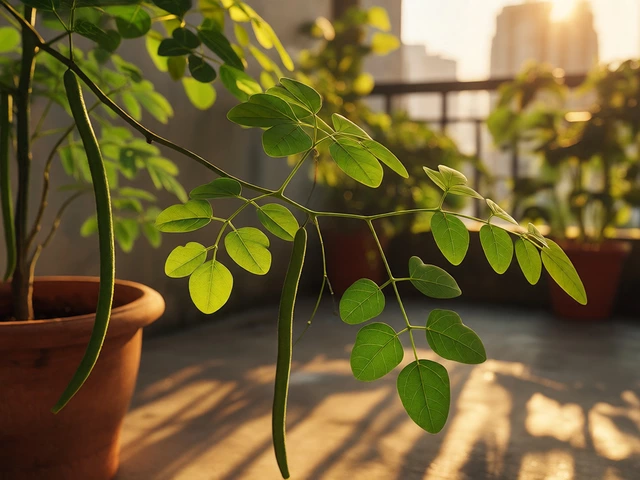
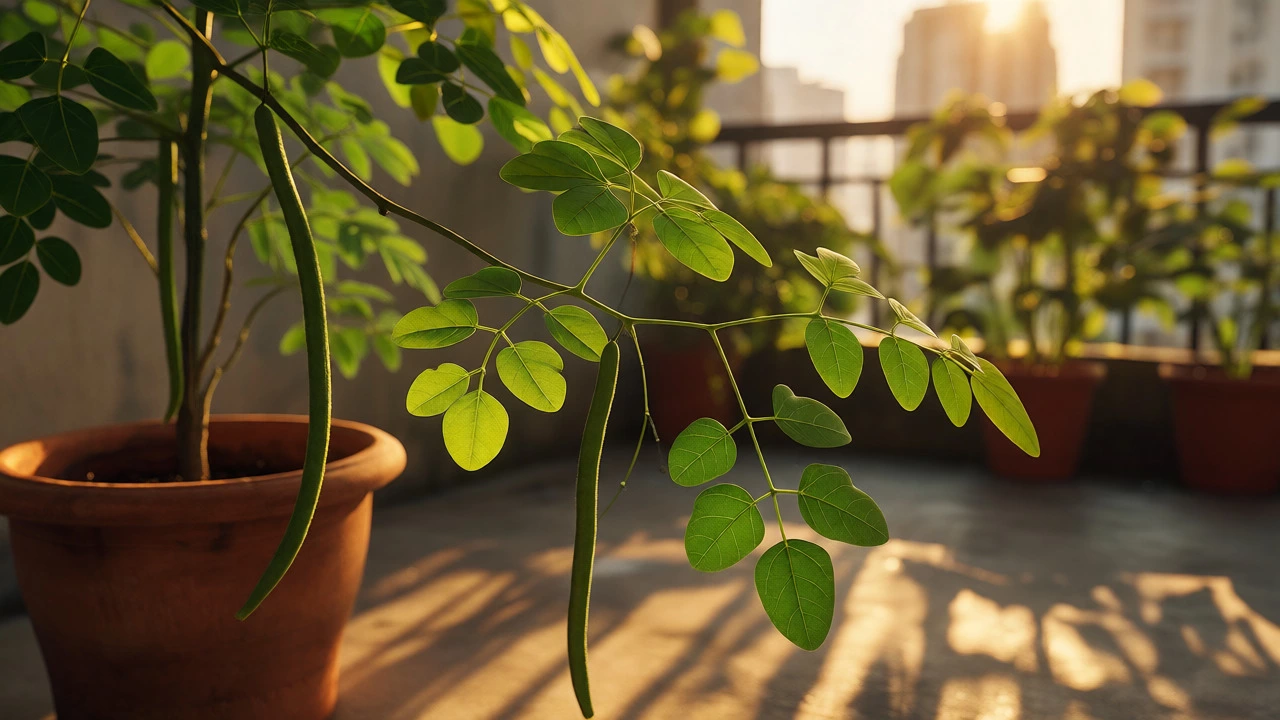
When you look at the list of candidates for the title of supreme superfood, one name consistently rises to the top in global nutrition circles: Moringa oleifera, commonly known as Drumstick Tree or a fast-growing tree native to South Asia whose leaves, pods, and seeds are packed with nutrients. Often called the "Miracle Tree," Moringa fits every criterion of a supreme superfood perfectly.
Why Moringa? Its leaves contain seven times the vitamin C of oranges, four times the calcium of milk, and twice the protein of yogurt. For a gardener in India, this isn’t just trivia-it’s practical data. You can grow a Moringa tree in a large pot on a terrace. It thrives in poor soil, requires little water once established, and yields harvestable leaves within six months. The pods (drumsticks) are a staple in sambar, but the leaves are where the magic lies. They can be dried, powdered, and added to smoothies or doughs, offering a year-round supply of nutrients.
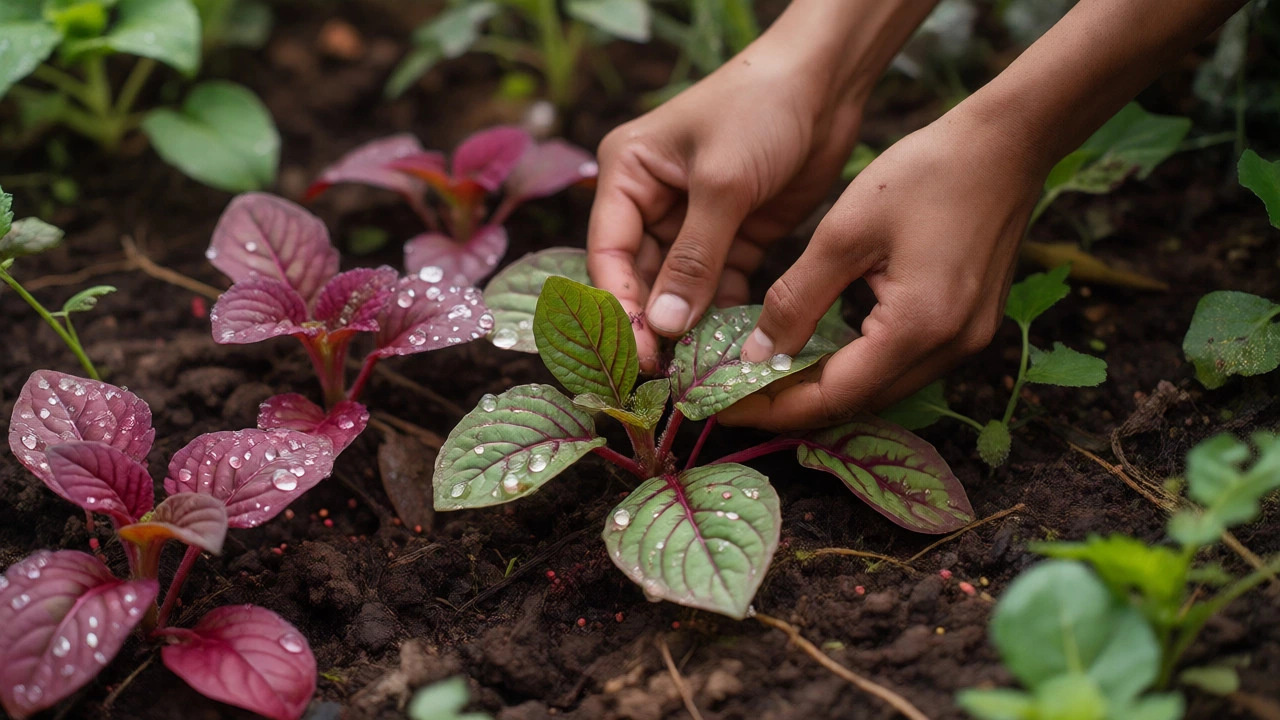
But Moringa isn’t the only contender. Amaranth (Rajgira) is another strong candidate. Unlike spinach, which can struggle in extreme heat, Amaranth loves the sun. It produces grain-like seeds and leafy greens, both of which are rich in lysine, an amino acid often missing from vegetarian diets. Growing Amaranth in your vegetable patch adds diversity to your diet without needing extra space.
| Crop | Key Nutrient | Growth Difficulty | Best Season |
|---|---|---|---|
| Moringa | Vitamin A & Calcium | Very Easy | All Year (Peak in Summer) |
| Amaranth | Protein & Iron | Easy | Kharif (Monsoon) |
| Sweet Potato Leaves | Fiber & Vitamins | Moderate | Rabi (Winter) |
| Bitter Gourd | Insulin Support | Moderate | Summer |
Why Local Beats Imported Every Time
You might wonder why we aren’t talking about Kale or Blueberries. While they are nutritious, they don’t fit the "supreme" label for an Indian context due to logistical inefficiencies. Importing kale into India involves refrigerated air freight, which spikes costs and carbon emissions. More importantly, these plants are often bred for shelf life, not flavor or peak nutrient retention during transport.
Local superfoods, by contrast, are harvested at peak ripeness. When you pick Moringa leaves from your own tree, they retain maximum enzymatic activity and vitamin content. Studies suggest that nutrient degradation begins immediately after harvesting. By growing your own supreme superfoods, you eliminate the time gap between harvest and consumption. This freshness factor significantly boosts the bioavailability of nutrients, meaning your body absorbs more of what you eat.
Additionally, local crops are adapted to regional pests and diseases. A Bitter Gourd vine in Kerala doesn’t need the same pesticide regimen as a tomato plant in California. This reduces chemical inputs, making your garden more organic and safer for your family. It’s a win-win for health and the environment.
Growing Your Own Supreme Superfoods
Transitioning to a superfood-focused garden doesn’t require a farm. Most of these plants are vigorous growers that tolerate neglect better than delicate lettuces or herbs. Here’s how to integrate them into your existing setup.
- Start with Moringa: Plant seeds in a deep container (at least 18 inches). Use well-draining soil mixed with compost. Place it in full sun. Water sparingly until established. Prune regularly to keep it bushy rather than tall, making leaf harvesting easier.
- Sow Amaranth in Monsoon: Scatter seeds directly onto prepared beds. Thin out seedlings to allow airflow. Harvest young leaves frequently to encourage new growth. If you want grains, let some plants mature and dry out.
- Utilize Vertical Space: Bitter Gourd and Snake Gourd are climbers. Train them on trellises or netting. This saves ground space for root vegetables like Sweet Potatoes, whose leaves are also edible and highly nutritious.
- Intercrop for Soil Health: Many superfoods, like Legumes (included in the broader superfood category for their protein), fix nitrogen. Plant them alongside heavy feeders like corn or cabbage to naturally enrich the soil.
One common mistake is overwatering. Moringa, in particular, hates soggy roots. Ensure your pots have drainage holes. If you’re in a region with heavy monsoons, consider raised beds to prevent root rot. Also, don’t fear pruning. Aggressive pruning of Moringa and Amaranth actually increases yield by stimulating lateral branch growth.

Beyond Nutrition: Economic and Ecological Benefits
Choosing supreme superfoods isn’t just a dietary choice; it’s an economic strategy. Seeds for these plants are cheap and widely available in local nurseries. Once established, many produce for years. A single Moringa tree can live for decades, providing continuous harvests. Compare this to annual crops that need replanting every season, and the cost savings become clear.
Ecologically, these plants support biodiversity. Moringa flowers attract pollinators like bees and butterflies, which benefit other crops in your garden. Their deep root systems help prevent soil erosion during heavy rains. By choosing crops that work with nature rather than against it, you create a resilient micro-ecosystem on your terrace or balcony.
There’s also a cultural revival aspect. Reconnecting with these traditional crops preserves agricultural heritage. Many older varieties of Amaranth and Millet are being lost as monocultures dominate commercial farming. By growing them at home, you contribute to preserving genetic diversity, ensuring these robust varieties survive for future generations.
Potential Pitfalls and How to Avoid Them
No crop is perfect, and even supreme superfoods have quirks. Moringa leaves can taste bitter if the plant is stressed or if you harvest old leaves. To avoid this, harvest young, tender leaves in the morning. If bitterness persists, blanching them briefly before cooking removes most of the off-flavors.
Amaranth can become invasive if allowed to go to seed freely. Deadhead spent flowers if you don’t want self-seeding everywhere. Alternatively, embrace the chaos and use the volunteers as free green manure for other beds.
Another consideration is oxalates. Some superfoods, like Spinach and certain Amaranth varieties, contain oxalates, which can interfere with calcium absorption. Pairing these greens with Vitamin C-rich foods (like lemon juice) enhances iron absorption despite oxalates. Cooking methods matter too; boiling reduces oxalate levels significantly compared to raw consumption.
Is Moringa really the best superfood for Indian gardens?
While subjective, Moringa is widely considered a top-tier superfood due to its extreme hardiness, rapid growth, and unparalleled nutrient profile. It thrives in almost all Indian climates, requires minimal maintenance, and offers multiple edible parts (leaves, pods, flowers), making it highly efficient for small-space gardening.
Can I grow superfoods in containers?
Yes, absolutely. Moringa grows well in pots larger than 15 gallons. Amaranth can be grown in shallow trays for microgreens. Bitter gourd needs a sturdy trellis but works fine in large containers. Just ensure adequate drainage and sunlight.
Do imported superfoods lose nutrients faster than local ones?
Generally, yes. Transport and storage time lead to nutrient degradation, especially for sensitive vitamins like C and folate. Locally grown superfoods harvested and consumed within hours retain higher nutrient levels and fresher flavors.
Which superfood is easiest for beginners?
Amaranth is arguably the easiest. It germinates quickly, tolerates poor soil, and produces harvestable greens in 4-6 weeks. Moringa is also easy but takes longer to establish initially. Both are forgiving of beginner mistakes like inconsistent watering.
Are there any side effects of eating too much Moringa?
Consuming moderate amounts of Moringa leaves is safe for most adults. However, excessive intake may cause digestive upset due to high fiber and laxative properties. Pregnant women should consult doctors before consuming root extracts, though leaf consumption is generally deemed safe.