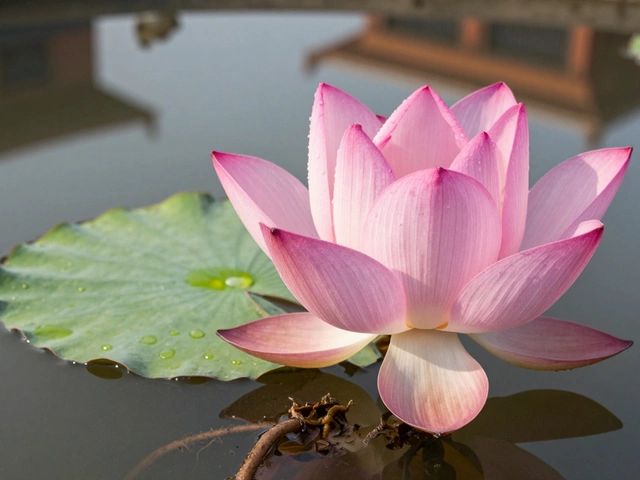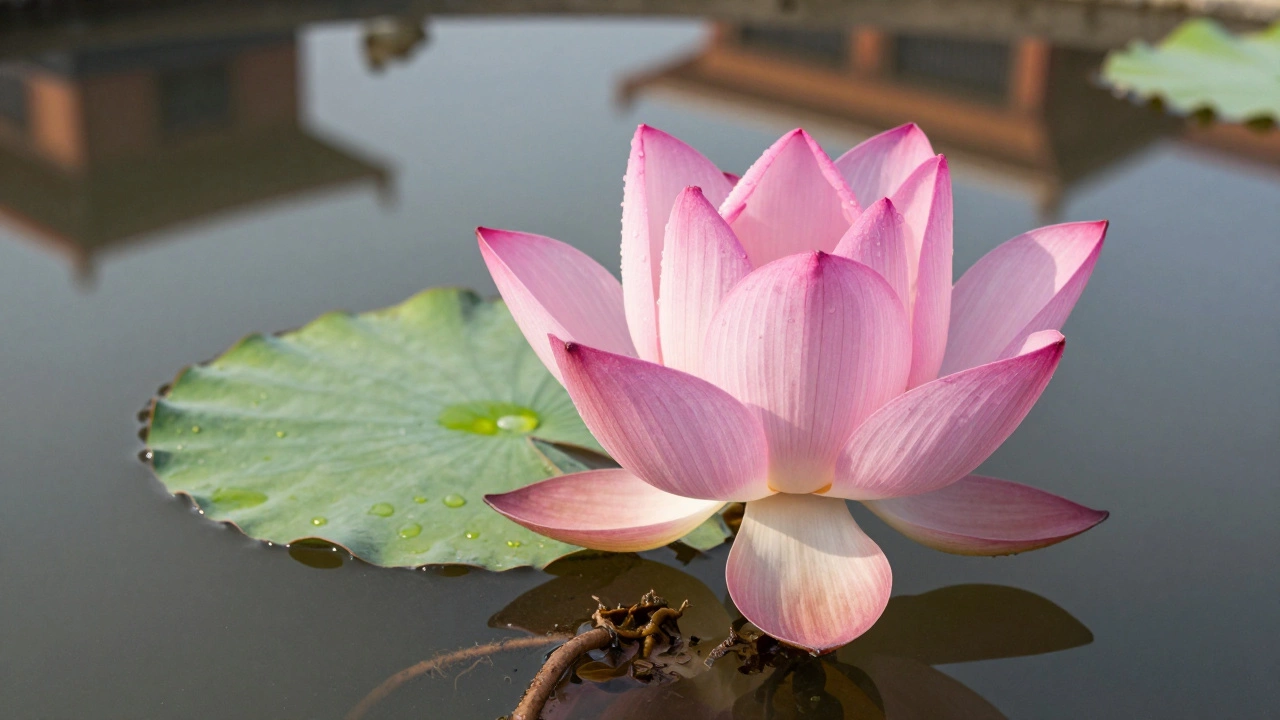
When people ask about the most famous plant in India, the answer usually points to a single, majestic bloom rising from muddy waters. It is the Lotus, scientifically known as Nelumbo nucifera, which serves as the national flower of India. You see it everywhere, from ancient sculptures to government logos. However, India is vast, and "famous" can mean different things depending on whether you are talking about religious symbolism, street-side garlands, or kitchen ingredients. While the lotus holds the official crown, other plants like the Marigold, used widely in festivals, and the sacred banyan tree play equally vital roles in daily life. If you are looking to understand what makes a plant significant here, we need to look beyond a single definition and explore the cultural, seasonal, and biological reasons behind their fame.
You might wonder why this specific water lily beat out hundreds of other native species. It isn't just about beauty. The lotus represents purity because its petals emerge spotless from murky water, mirroring the resilience needed in the Indian climate and social fabric. But does every household grow a lotus pond? Probably not. Most homes keep something easier, like jasmine for scent or marigold for decoration. Let's break down the landscape of India's botanical icons so you can identify not just the top contender, but also the plants that define the region's unique seasons.
The Crown Jewel: The Sacred Lotus
The Indian Lotus dominates the conversation because it is officially recognized by the state. It is found across North India and in temple tanks where priests offer fresh flowers during rituals. Unlike Western garden flowers, the lotus has roots in mud that do not rot easily, allowing it to survive long droughts before the monsoon arrives. In 2026, as we approach the spring season, these plants are just waking up from winter dormancy.
Why is it biologically special? The leaves have a nanostructure that repels water, causing droplets to roll off rather than soak in. This keeps the surface clean of algae and bacteria. For a gardener, this means low maintenance once established in a water body. However, if you live in an apartment with no tank, you might struggle to keep it alive indoors unless you have a large indoor pond setup. It requires full sunlight for at least six hours a day.
Historically, the lotus appears in Vedic texts dating back thousands of years. Deities like Lakshmi and Vishnu are often depicted sitting on a fully bloomed lotus. This spiritual connection ensures its fame transcends botany. It is not just a plant; it is a symbol of divine consciousness. Even today, seeing a lotus flower at a local temple is a common sight during auspicious events.
Everyday Favorites: Marigolds and Jasmine
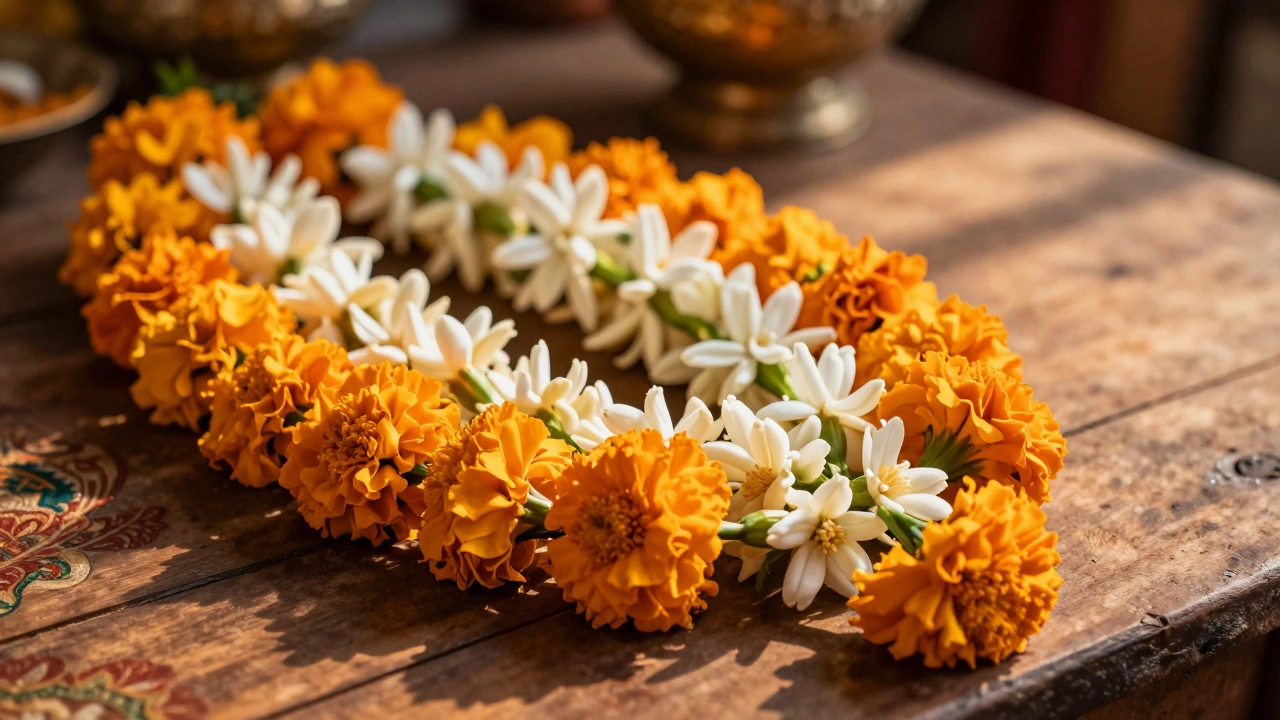
If the lotus is for the temples, then Garden Marigold rules the streets and homes. You cannot walk through any Indian neighborhood without seeing strings of orange and yellow marigolds (Tagetes erecta). They are used extensively in wedding ceremonies and Durga Puja festivities. These flowers are chosen for their brightness and ease of cultivation. They grow well in pots on balconies, making them perfect for urban dwellers.
Jasmine offers a different kind of fame. While marigolds scream for attention visually, jasmine whispers through its fragrance. White Jasmine is essential for hair oil perfumes and garlands worn on the ears by women across South India. It is typically grown in tropical and subtropical regions where humidity supports its small, waxy leaves. In Tamil Nadu specifically, jasmine flowers are woven into hair braids daily, not just for special occasions. This habit makes it arguably more "common" than the lotus in terms of daily utility.
Cultivation-wise, both marigold and jasmine tolerate heat better than many temperate European flowers. India's summer temperatures often exceed 40°C (104°F), and these plants thrive in that environment. They do not suffer from scorch damage like roses might. If you are planning a garden in late 2026 or early 2027, planting these two ensures you get results year-round with minimal intervention.
The Medicinal Giant: Neem Tree
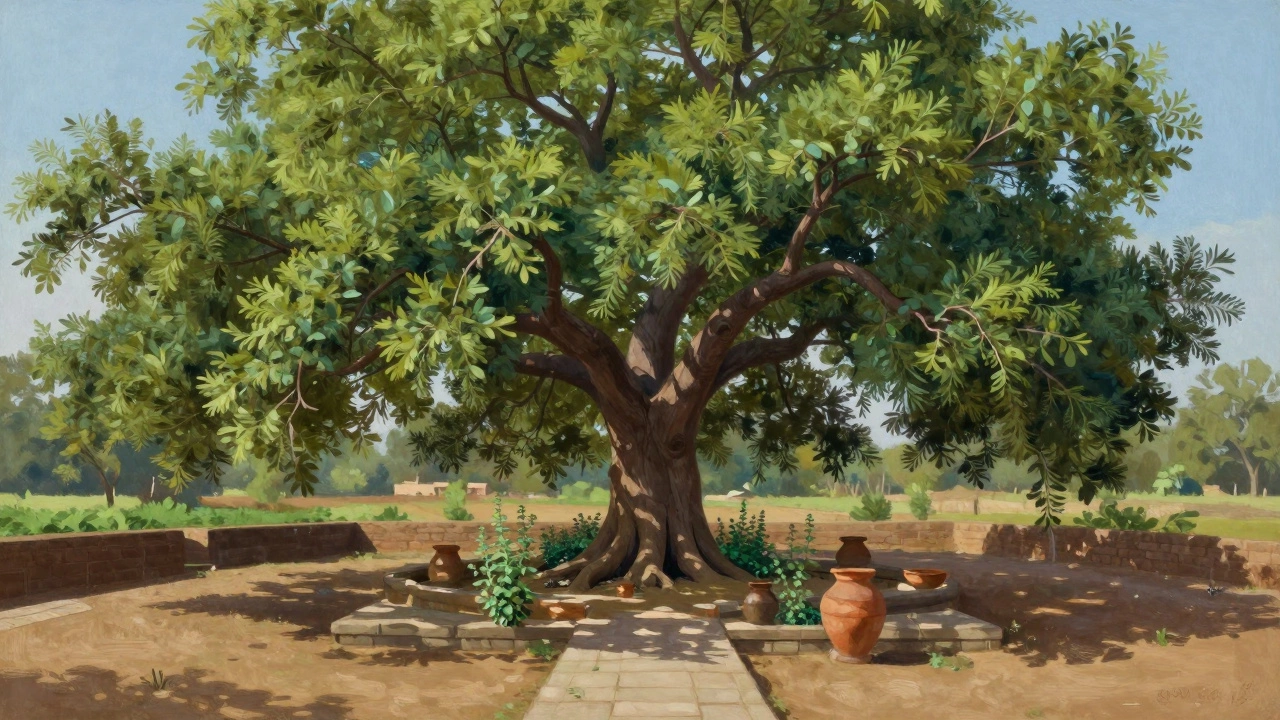
We cannot talk about famous plants without mentioning the Neem Tree. Also called Azadirachta indica, this tree is a staple in almost every village courtyard. It provides natural pest control and medicinal properties used in traditional systems. While flowers like the lotus are for offering, the Neem is for healing. Its bark, leaves, and seeds are boiled to make remedies for fevers, skin infections, and dental issues.
In modern times, the Neem has gained global popularity due to the discovery of azadirachtin, a compound that acts as a biopesticide. Farmers use it to protect crops without toxic chemicals. This bridges the gap between ornamental gardening and sustainable agriculture. You might see potted Neem seedlings sold alongside marigolds in nurseries because people want to bring a bit of nature's pharmacy into their own yards.
The longevity of the Neem also contributes to its fame. A single tree can live for decades, providing shade and oxygen for generations. In dense cities like Mumbai or Delhi, planting a Neem sapling is seen as an investment for future residents. Unlike annual flowers that die after a season, the Neem stands as a permanent fixture of the landscape.
Seasonal Patterns and Plant Cycles
India's weather dictates what grows where. Because the country spans from the snow-capped Himalayas to tropical coasts, "famous" varies by region. During March 2026, which falls in late spring, you will see different trends depending on your location.
- North India: The focus shifts towards flowering trees like Rose and Gulmohar. Days are getting hotter, signaling the move toward pre-monsoon planting.
- South India: Jasmine and Marigold are already in full bloom. The climate remains consistently warm throughout the year.
- East India: West Bengal and Odisha focus heavily on aquatic plants like the water hyacinth (though invasive) and lotuses in ponds.
- West India: Arid regions rely on hardy cacti and succulents, including the prickly pear, which serves as fodder for livestock.
The monsoon rains, arriving around June, change the game entirely. Aquatic plants like the lotus enter their prime growing phase during July and August when water levels rise. Gardeners preparing their soil now (March) will be ready for the heavy rains later in the year. Timing your plant purchase is crucial. Buying marigold transplants too early in summer heat might kill the young roots, whereas waiting until September allows them to flourish before the winter chill.
Practical Care for Indian Natives
If you decide to grow these icons, understanding their needs prevents frustration. Each plant mentioned above has distinct preferences regarding soil, water, and sunlight.
For the Lotus Plant, you need a deep pot submerged in water. Do not let the tuber dry out. Keep it in direct sun. The soil should be rich in organic matter, ideally clay-based to hold moisture. Change the water occasionally to prevent stagnation smells.
Marigolds are tough. They hate wet feet. Overwatering causes root rot. Give them sandy loam soil and ensure good drainage. Pinch off the lower leaves to encourage bushier growth. They respond well to regular deadheading-removing spent flowers-which triggers new buds.
Jasmine prefers slightly acidic soil. Mulching helps retain moisture during the dry spells. Regular pruning right after flowering promotes better growth in the next cycle. It loves warmth, so in cooler northern states, bring pots inside during November to February nights.
Neem is hardy but grows fast. Prune it regularly to maintain shape. Be careful harvesting leaves if you plan to use them medicinally, as pollution in urban areas can contaminate the foliage.
Economic and Cultural Impact
The fame of these plants extends beyond the garden. They form part of a massive economic web. Floriculture is a booming industry in India, driven largely by demand for marigolds and jasmine during wedding seasons.
Thousands of families depend on the harvest of these flowers. In Madurai and Thanjavur, jasmine gardens employ thousands of workers who hand-pick flowers early in the morning when fragrance is strongest. This creates a supply chain connecting rural growers to urban markets instantly. The freshness is critical, so logistics play a huge role in maintaining the quality of these famous exports.
Likewise, the Neem tree supports cottage industries producing soaps, oils, and pesticides. This creates a green economy alternative to synthetic chemicals. By valuing these native species, society supports biodiversity while maintaining agricultural productivity. It is a sustainable model that balances tradition with modern economic needs.
| Plant Type | Primary Use | Water Needs | Bloom Season |
|---|---|---|---|
| Lotus | Rituals, Ornament | Constant Submersion | Summer to Monsoon |
| Marigold | Festivals, Decoration | Moderate, Drainage Required | All Year Round |
| Jasmine | Garlands, Perfume | Regular Moisture | Year-round (Peak Winter) |
| Neem | Medicine, Shade | Drought Tolerant | April/May |
Troubleshooting and FAQs
Growing indigenous plants can still present challenges. Below are answers to the most frequent questions gardeners face when trying to recreate these iconic landscapes at home.
Is the lotus easy to grow in a small apartment?
Not really. Lotuses need plenty of space and full sun, ideally outdoors. Small apartments usually lack the light intensity required. Consider jasmine or herbs instead.
When is the best time to plant marigolds in India?
You can plant them in October for winter blooms or June after the first rains stop. Avoid the peak of May heat for seedlings as they may fry.
Why does my neem tree not produce leaves quickly?
Ensure it has adequate nitrogen-rich soil. Neem needs good compost application twice a year. Slow growth is common in its initial juvenile phase before maturing.
Are these plants safe for pets?
Generally yes, but excessive consumption of Neem leaves can upset a dog's stomach. Lotus parts are non-toxic but can cause choking hazards. Monitor pets near ponds.
Can I propagate jasmine from cuttings?
Yes, softwood cuttings taken in April work best. Dip the end in rooting hormone and place in moist sand until roots form after about three weeks.