Bougainvillea Placement Checker
Answer the following questions about your intended planting spot to see if it meets the critical needs of a Bougainvillea vine.
Placement Verdict
You bought a vibrant pot of Bougainvillea, and it’s looking stunning in the nursery. But wait before you dig that hole in your backyard. This tropical vine is dramatic, beautiful, and surprisingly picky about its real estate. If you put it in the wrong spot, you’ll get green leaves and zero flowers, or worse, a plant that refuses to grow at all. Many gardeners in India struggle with this because they treat bougainvillea like any other shrub. It’s not. It’s a sun-worshipping diva that hates cold feet and wet socks.
So, where exactly should you keep your hands off when planting? Let’s break down the specific zones that will kill your blooms or stunt your growth. We’re talking about light exposure, soil drainage, temperature traps, and structural conflicts. By the end of this guide, you’ll know exactly which corners of your property are safe havens for bougainvillea and which ones are death sentences.
The Shade Trap: Why Low Light Kills Blooms
Bougainvillea is a full-sun plant that requires at least six hours of direct sunlight daily to produce its colorful bracts. The most common mistake people make is planting them under large trees or on the north-facing side of buildings. In India, especially during winter months, the sun angle changes. A spot that gets partial shade in summer might get almost no direct sun in winter. If your bougainvillea sits in less than four hours of direct light, it won’t flower. Period.
Think about photosynthesis. These plants need high energy input to fuel the production of those papery bracts (which we often call flowers). Without intense UV exposure, the plant conserves energy by growing more leaves and fewer blooms. You’ll end up with a lush green bush that looks healthy but offers none of the color payoff you paid for. If you live in an apartment complex with tall neighbors, check the shadow patterns at 10 AM and 3 PM. If the spot is shaded then, move the plant.
- North-facing walls: Avoid these unless you have very warm winters. They receive minimal direct sunlight.
- Under deciduous trees: In winter, bare branches let light through, but in summer, dense canopies block the critical growth period.
- Narrow alleyways: Even if open to the sky, narrow gaps between buildings create permanent twilight zones.
Waterlogged Soil: The Root Rot Nightmare
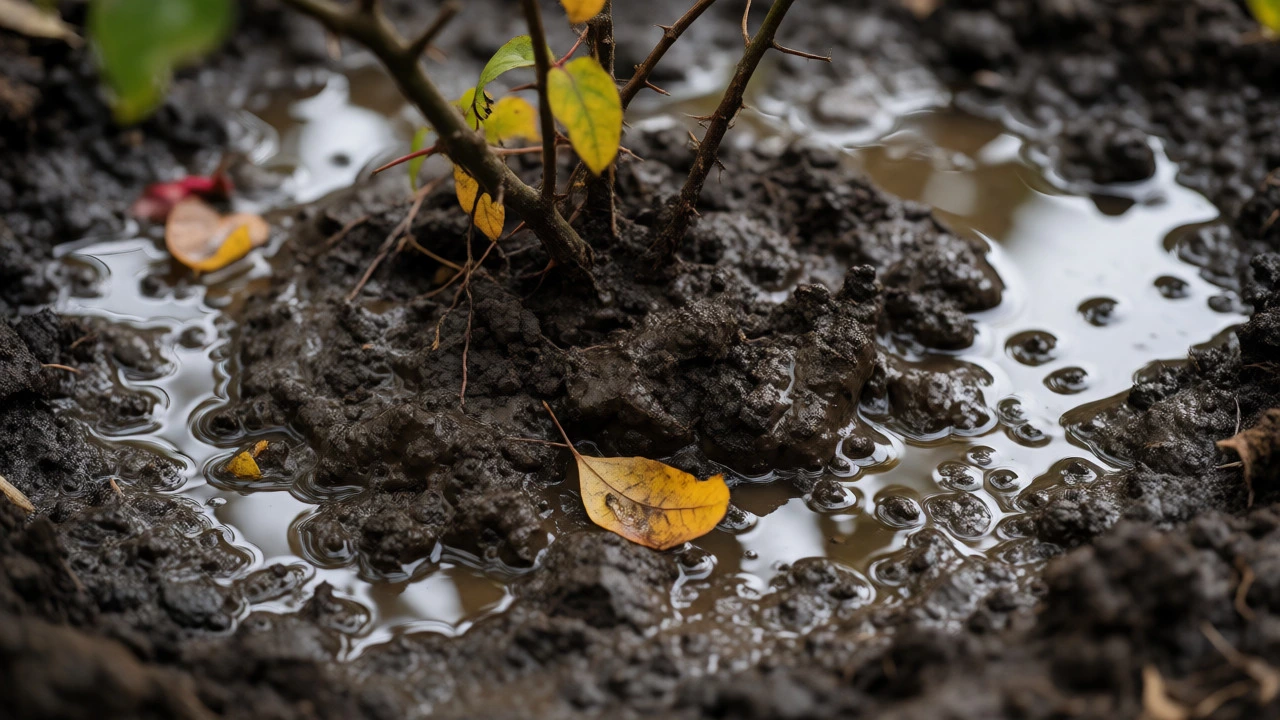
Bougainvillea originates from South America, specifically regions with well-draining sandy soils. It absolutely despises "wet feet." If you plant it in heavy clay soil common in many parts of North India without amendment, the roots will suffocate. Standing water around the root ball leads to root rot, a fungal disease that turns stems black and causes leaf drop within days.
Here is a simple test before you plant: Dig a hole one foot deep. Fill it with water. Wait 24 hours. If there is still water sitting in the hole after a day, do not plant bougainvillea there. You either need to raise the bed by two feet using sand and compost, or choose a different location entirely. Sandy loam is ideal. If you must plant in clay, mix in coarse river sand and organic matter in a 1:1 ratio to improve percolation.
| Soil Type | Drainage Quality | Suitability for Bougainvillea | Required Amendment |
|---|---|---|---|
| Sandy Loam | Excellent | Ideal | None needed |
| Clay | Poor | Unsuitable | Add 50% river sand + compost |
| Black Cotton Soil | Very Poor | Risky | Raise beds significantly |
| Rocky/Gravelly | Good | Acceptable | Add mulch to retain moisture |
Cold Snaps and Frost Zones
This is crucial for anyone gardening in Northern India, such as Delhi, Punjab, or Kashmir. Bougainvillea is sensitive to frost. Temperatures dropping below 5°C (41°F) can damage tender new growth. Prolonged exposure to freezing temperatures will kill the plant outright. If you live in a zone that experiences regular frost, avoid planting bougainvillea directly in the ground against a north-facing wall that radiates cold air at night.
Instead, consider container gardening. Pots allow you to move the plant indoors or to a sheltered veranda during the coldest weeks of January. If you must plant in the ground, choose a south-facing wall that absorbs heat during the day and releases it at night, creating a microclimate that protects the roots. In coastal areas like Mumbai or Chennai, frost isn’t an issue, so you have more freedom here.
Structural Conflicts: Thorns and Roots
Bougainvillea is aggressive. Its roots are strong and can crack weak foundations or lift paving stones if planted too close to structures. While they aren’t as invasive as some bamboo species, their lateral root spread can reach out several feet. Don’t plant them within three feet of underground pipes, septic tanks, or thin concrete patios.
Then there are the thorns. Bougainvillea varieties vary in thorn density, but most have sharp, curved spines that catch clothes and skin. Do not plant them along narrow walkways, near children’s play areas, or next to outdoor seating where people brush past frequently. You’ll regret it the first time you try to retrieve a dropped phone or hug someone standing nearby. Use them as security barriers instead-plant them outside fences or under windows to deter intruders.
- Walkway clearance: Keep at least 4-5 feet of space from high-traffic paths.
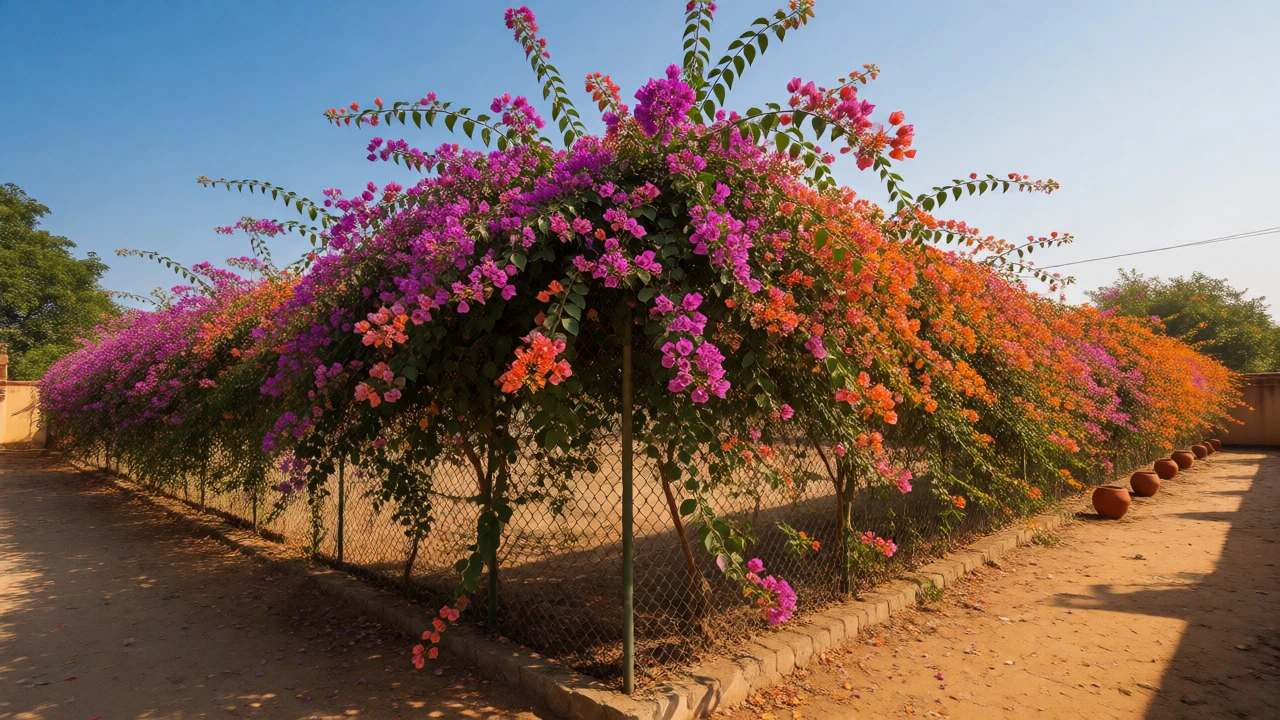
- Fence integration: Train them over chain-link fences; they thrive when supported.
- Wall proximity: Maintain a 2-foot gap from painted walls to prevent mold buildup from trapped humidity.
The Wind Factor: Coastal vs. Exposed Sites
In coastal cities like Goa, Mangalore, or Kochi, salt spray and high winds pose a threat. Bougainvillea leaves can burn from excessive salt exposure. High winds also dry out the soil rapidly and can snap young, brittle branches. If your plot faces the sea directly, avoid planting bougainvillea in the open front yard without a windbreak.
A solid wall or hedge of hardier plants (like hibiscus or oleander) should stand between the sea breeze and your bougainvillea. This reduces desiccation and physical damage. In inland areas with hot, dry winds (like Rajasthan), the concern shifts to moisture retention. Mulching becomes non-negotiable here. Bare soil around the base will bake, stressing the plant and reducing bloom cycles.
Proximity to Other Plants: Competition and Disease
Don’t crowd your bougainvillea. It needs airflow around its foliage to prevent fungal issues like powdery mildew. Planting it tightly against a dense hedge or another large shrub creates a humid pocket where diseases thrive. Also, avoid planting near trees that shed heavy leaf litter, like peepal or neem. The decaying leaves create a thick mat that blocks light to the lower stems and holds excess moisture against the trunk, inviting rot.
Furthermore, don’t plant bougainvillea near vegetables you plan to harvest soon. The thorns make maintenance difficult, and you might accidentally damage delicate vegetable crops while pruning the vigorous bougainvillea vines. Give each plant its own breathing room.
Quick Checklist: Is Your Spot Right?
Before you buy another plant, run through this checklist. If you fail any point, reconsider the location.
- Sunlight: Does the spot get 6+ hours of direct sun?
- Drainage: Does water disappear from a test hole within 24 hours?
- Temperature: Does the area stay above 5°C in winter?
- Space: Is there 4+ feet of clearance from walkways and structures?
- Wind: Is the site protected from harsh salt-laden or drying winds?
Can I grow bougainvillea in pots if my garden has poor soil?
Yes, absolutely. In fact, bougainvillea often blooms better in pots because you can control the drainage and nutrient levels precisely. Use a mix of 50% cocopeat, 30% garden soil, and 20% compost. Ensure the pot has large drainage holes. Place the pot in a sunny balcony or terrace. This is the best solution for urban homes with limited ground space or bad soil quality.
Why is my bougainvillea only growing leaves and no flowers?
This usually indicates too much nitrogen fertilizer or insufficient sunlight. Bougainvillea blooms best when slightly stressed. Stop fertilizing with high-nitrogen feeds and switch to a phosphorus-rich fertilizer (like bone meal or a 10-30-10 formula). Also, ensure it is getting at least 6 hours of direct sunlight. Pruning back long, leggy branches can also stimulate flowering.
Is bougainvillea safe to plant near swimming pools?
It is risky. Bougainvillea drops petals (bracts) and leaves regularly, which can clog pool filters and stain pool decks. Additionally, falling into the thorny bushes from a pool edge can be painful. If you must plant near a pool, use a thornless variety (like 'California Gold' or 'Singapore Pink') and place them far enough away that debris doesn't blow directly into the water.
How far apart should I plant multiple bougainvilleas?
For a hedge effect, space them 3 to 4 feet apart. This allows their branches to interlock, forming a dense barrier. If you want individual specimens to showcase their shape, space them 6 to 8 feet apart. Overcrowding leads to poor air circulation, increased disease risk, and competition for nutrients, resulting in weaker blooming.
Does bougainvillea attract pests that could harm other plants?
Bougainvillea is generally resistant to most pests, but it can attract mealybugs and aphids. These pests can migrate to nearby roses or hibiscus if left unchecked. Regular inspection and occasional spraying with neem oil can manage this. However, it does not typically harbor diseases that spread easily to unrelated plants, making it a relatively safe neighbor in mixed borders.