Balcony Fruit Tree Selector
Select a fruit type below, then configure your specific conditions to see if it's a match for your space.
1. Choose a Fruit Type
Analysis Result
Care Strategy
Imagine biting into a crisp, sweet apple or picking a ripe plum right from your apartment railing. It sounds like a dream reserved for people with sprawling backyards, but it is entirely possible to grow fruit on a balcony. The secret lies in choosing the right variety and understanding the constraints of container life. You do not need acres of land; you just need the right dwarf fruit tree that fits your space and climate.
Living in a city like Brighton, where space is premium and weather can be unpredictable, I have learned that not all trees are created equal for pots. Some thrive in the wind-swept conditions of a high-rise, while others need the shelter of a south-facing nook. This guide breaks down exactly which fruit trees work best, how to care for them, and what mistakes to avoid so you can harvest your own produce without turning your balcony into a jungle.
Why Dwarf and Grafted Varieties Are Essential
The biggest mistake beginners make is buying a standard sapling thinking it will stay small. It won’t. Standard trees send roots deep into the ground to anchor themselves and reach for water. In a pot, those roots get cramped, leading to stunted growth or death. Instead, you need dwarf rootstocks. These are genetically modified bases that keep the tree’s size manageable, often topping out at 6 to 8 feet (1.8 to 2.4 meters).
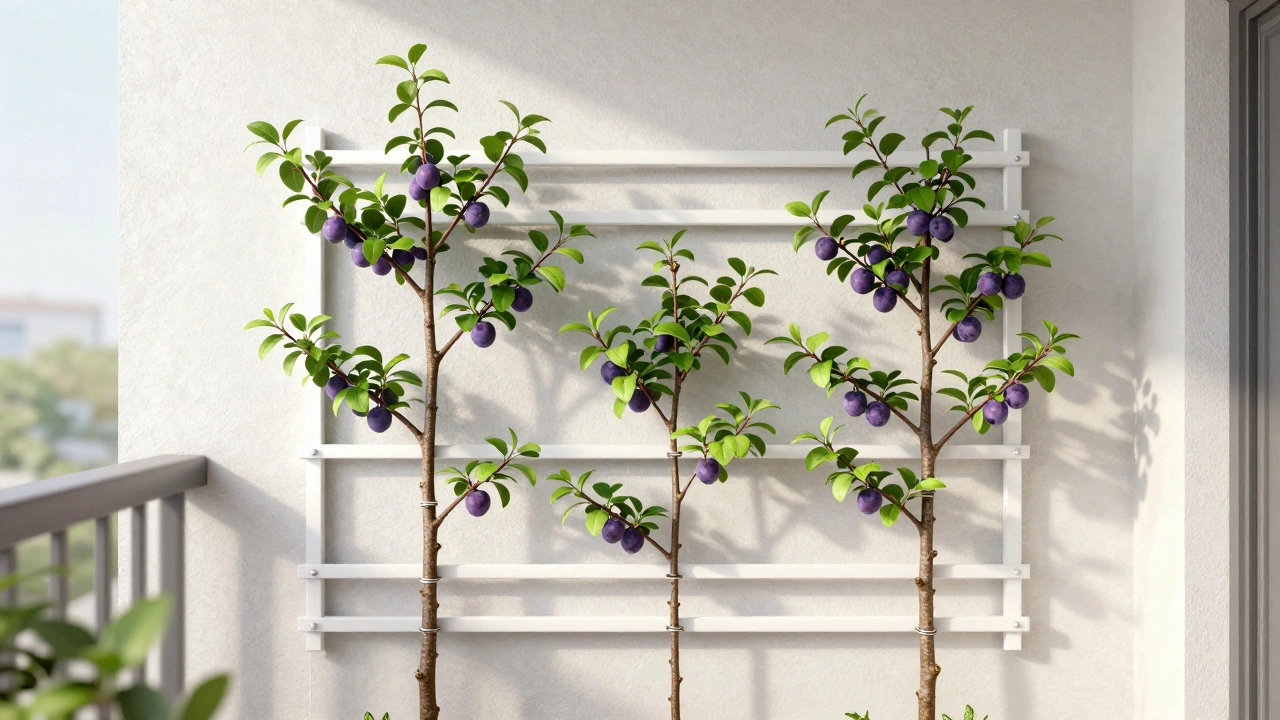
Look for terms like 'M9' for apples or 'Gisela' for cherries when shopping. These codes refer to specific rootstock types used by nurseries. For example, an apple tree on M9 rootstock will stay compact and start producing fruit much earlier than its standard counterpart. Another option is espalier training, where you prune the tree to grow flat against a wall or trellis. This technique saves vertical space and maximizes sun exposure, making it perfect for narrow balconies.
Top Fruit Tree Choices for Containers
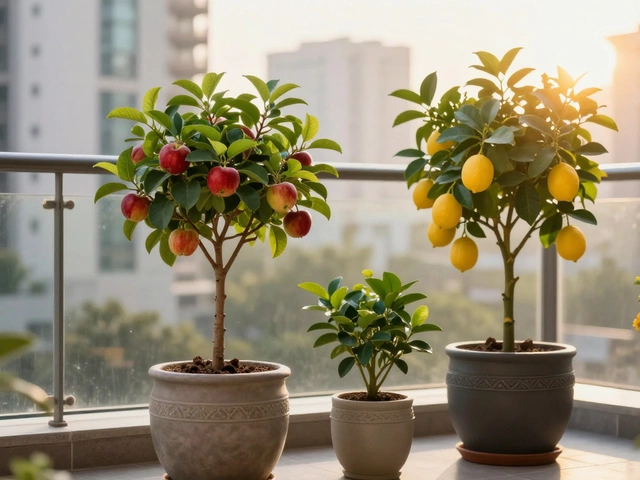
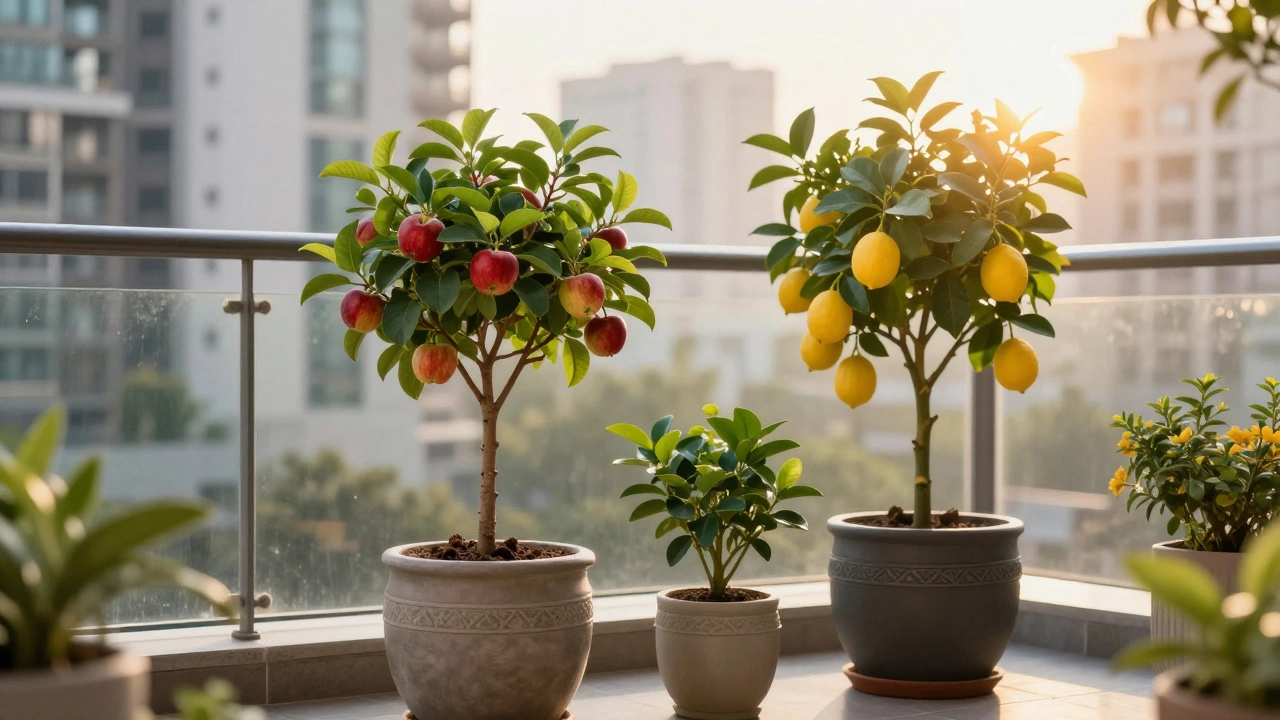
Not every fruit tree tolerates confinement well. Here are the top contenders that consistently perform in pots:
- Dwarf Apple Trees: Varieties like 'Macintosh' or 'Honeycrisp' on M9 rootstock are reliable. They need cross-pollination, so you might need two different varieties or a self-fertile type like 'Goldrush'.
- Dwarf Cherry Trees: Sweet cherries like 'Stella' or sour cherries like 'Montmorency' work well. Sour cherries are generally more self-fertile, meaning you only need one tree.
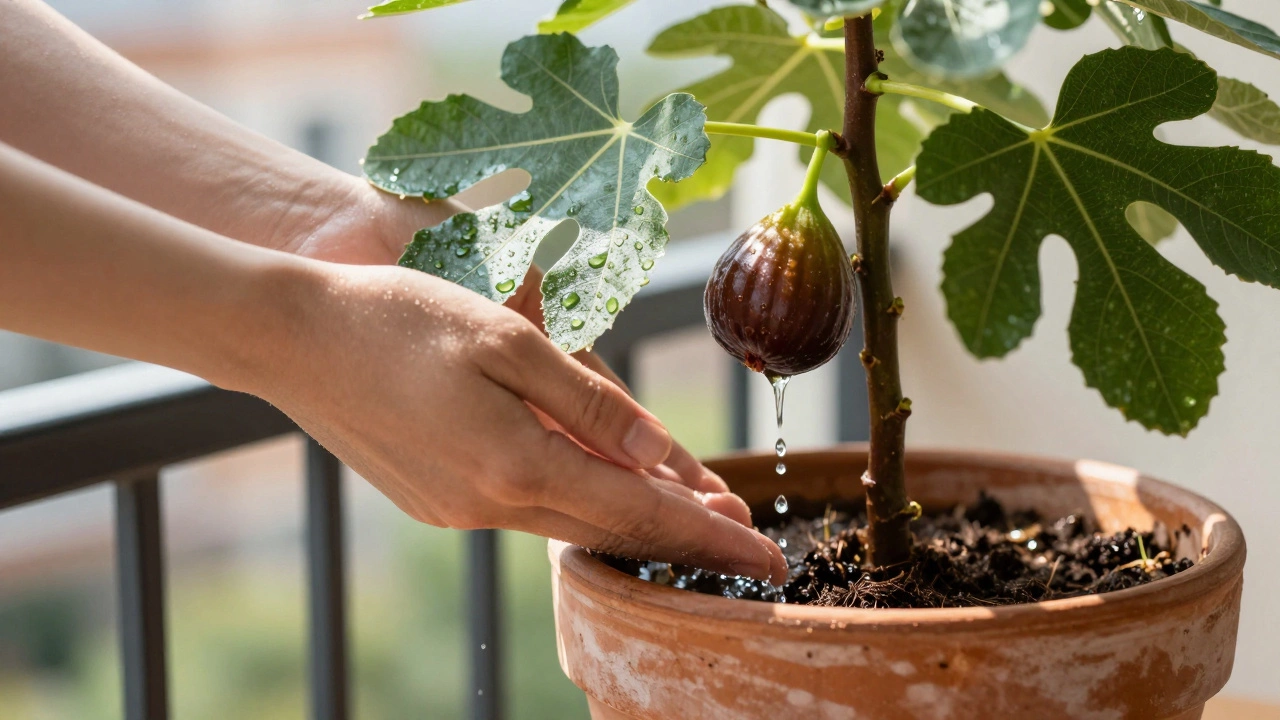
- Fig Trees: Figs are incredibly forgiving. They tolerate drought once established and love heat. Varieties like 'Brown Turkey' or 'Celeste' are hardy and productive even in smaller pots.
- Dwarf Lemon or Lime Trees: Citrus trees bring fragrance and color. Meyer lemons are particularly popular because they are sweeter and more cold-tolerant than traditional lemons. However, they need protection from frost.
- Dwarf Plum Trees: Look for self-fertile varieties like 'Stanley' or 'Methley'. Plums can be prone to pests, so watch for aphids and caterpillars.
Understanding Your Balcony’s Microclimate
Your balcony is a unique ecosystem. Factors like wind, sunlight direction, and temperature fluctuations play a huge role in success. A north-facing balcony in northern Europe might struggle with most fruit trees, which typically require 6-8 hours of direct sunlight daily. If your space gets less light, lean towards shade-tolerant options like figs or certain berry bushes, though true fruit trees will likely fail.
Wind is another silent killer. High winds dry out soil rapidly and can break young branches. If your balcony is exposed, position heavier pots near walls for stability and consider adding a windbreak, such as a lattice screen or dense shrubs. In coastal areas like Brighton, salt spray can also damage leaves, so rinse your plants occasionally if you live near the sea.
Pot Selection and Soil Mix
The container is the home of your tree’s roots, so choose wisely. Plastic pots retain moisture better and are lighter, making them easier to move indoors during winter. Terracotta pots look beautiful but dry out quickly and add significant weight. Ensure whatever pot you choose has drainage holes; standing water leads to root rot, a common killer of potted trees.
Size matters too. Start with a pot that is at least 15-20 gallons (57-75 liters) for dwarf trees. As the tree grows, you may need to repot into larger containers every few years. Use a high-quality potting mix designed for trees or shrubs, not garden soil. Garden soil compacts in pots, suffocating roots. Add perlite or vermiculite to improve aeration and drainage. A layer of gravel at the bottom is a myth; it does not help drainage and reduces usable soil volume.
| Fruit Type | Sunlight Needs | Cold Hardiness | Self-Fertile? | Special Care |
|---|---|---|---|---|
| Dwarf Apple | Full Sun (6-8 hrs) | Zones 5-8 | Usually No | Needs pollinator partner |
| Meyer Lemon | Full Sun (6+ hrs) | Zones 9-11 | Yes | Bring inside in winter |
| Fig Tree | Full Sun | Zones 6-10 | Yes | Drought tolerant once established |
| Dwarf Cherry | Full Sun | Zones 5-8 | Varies | Watch for birds and pests |
Watering and Feeding Strategies
Watering potted trees requires consistency. Unlike ground-planted trees, potted trees cannot seek out deeper water sources. Check the soil moisture weekly by sticking your finger about an inch deep. If it feels dry, water thoroughly until it runs out of the drainage holes. Overwatering is just as dangerous as underwatering, so ensure excess water escapes freely.
Fertilization is crucial because nutrients leach out of pots with each watering. Use a balanced, slow-release fertilizer in early spring. During the growing season, supplement with a liquid feed every four weeks. Avoid high-nitrogen fertilizers in late summer, as this encourages new growth that may not harden off before winter, leaving the tree vulnerable to frost damage.
Pruning and Maintenance
Regular pruning keeps your tree healthy and productive. Prune during dormancy, usually in late winter. Remove dead, diseased, or crossing branches. For espaliered trees, train horizontal branches using ties and stakes. This not only controls size but also improves air circulation, reducing the risk of fungal diseases.
Keep an eye out for pests. Aphids, spider mites, and scale insects love potted trees. Inspect leaves regularly, especially on the undersides. Treat infestations early with insecticidal soap or neem oil. Good airflow helps prevent many pest issues, so don’t overcrowd your balcony with plants.
Winter Protection
In colder climates, protecting your tree over winter is non-negotiable. Wrap the pot in burlap or bubble wrap to insulate the roots from freezing temperatures. Move citrus trees indoors to a bright, cool room before the first frost. For hardier trees like apples and plums, mulching the surface of the soil with straw or wood chips helps retain moisture and moderate temperature swings.
Can I grow a full-sized fruit tree on a balcony?
No, full-sized trees require extensive root systems and space that balconies cannot provide. Stick to dwarf or semi-dwarf varieties grafted onto compact rootstocks to ensure health and productivity in containers.
How often should I water my potted fruit tree?
There is no fixed schedule. Check the soil moisture weekly. Water deeply when the top inch of soil feels dry. Frequency depends on weather, pot size, and material. Hot, windy days may require daily watering, while cool, cloudy periods might need less.
Do I need two trees for pollination?
It depends on the variety. Many apple and pear trees require a second variety for cross-pollination. However, many cherry, plum, and fig varieties are self-fertile, meaning one tree is sufficient. Always check the plant label or nursery information.
What is the best pot material for fruit trees?
Plastic or resin pots are ideal for retaining moisture and being lightweight. Terracotta looks great but dries out faster and is heavy. Fabric pots offer excellent aeration but require more frequent watering. Ensure any pot has adequate drainage holes.
How long does it take for a dwarf fruit tree to bear fruit?
Dwarf trees typically start bearing fruit within 2-4 years, significantly faster than standard trees which can take 5-10 years. Proper care, including adequate sunlight and nutrition, accelerates this process.