Terrace Cooling Potential Calculator
Select Your Strategies
Shade Solutions
Evaporative Cooling
Materials & Airflow
Estimated Reduction
Based on selected strategies
There is nothing worse than stepping out onto your terrace on a sunny August afternoon only to be hit by a wall of heat. You planned a relaxed evening with friends or just wanted some fresh air, but instead, you feel like you are walking into an oven. This is a common problem for urban gardeners and homeowners alike, especially as summer temperatures continue to rise. But it does not have to be this way. With a few strategic changes, you can transform your hot, uncomfortable space into a cool, inviting retreat without spending a fortune.
The key to keeping your terrace cool lies in understanding how heat behaves. It radiates from surfaces, traps under glass, and rises from the ground. By manipulating these factors through shading, evaporation, and material choices, you can lower the temperature significantly. Let us look at practical, effective methods to beat the heat.
Mastering Shade: The First Line of Defense
Shade is the most immediate and effective way to reduce temperature on your terrace. Direct sunlight heats up surfaces quickly, turning concrete and wood into radiant heaters. Blocking that light before it hits the surface makes all the difference.
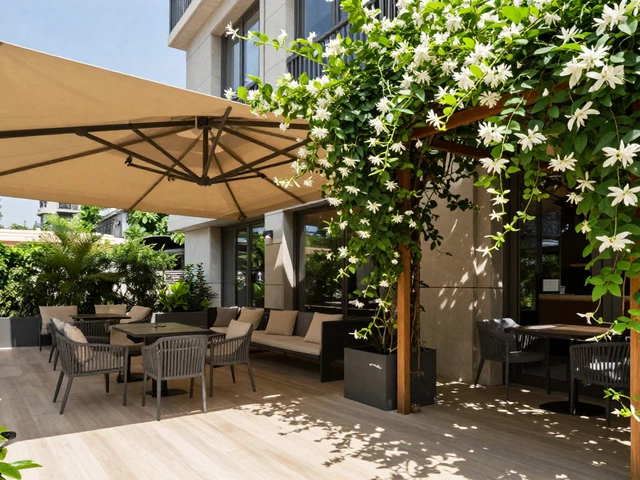
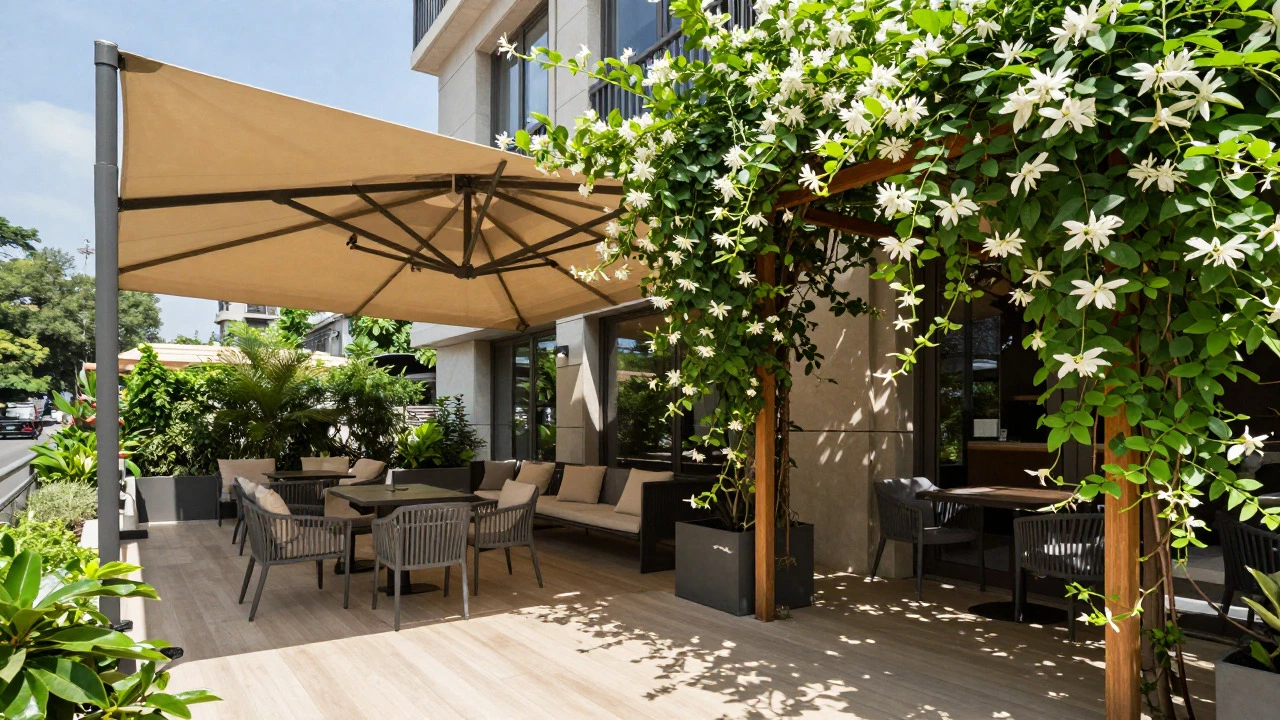
A retractable awning is a versatile shading solution that allows you to control sun exposure throughout the day. Unlike fixed structures, retractable awnings let you adjust coverage based on the sun's position. In the morning, you might leave them open to enjoy the gentle warmth, but by midday, pulling them out creates instant relief. Look for models with UV-resistant fabric that blocks up to 90% of harmful rays while still allowing airflow.
If you prefer a more natural approach, consider installing a trellis system covered with climbing plants. Vines like jasmine, clematis, or ivy grow quickly and create a living canopy. As water moves through the plant leaves and evaporates, it cools the surrounding air-a process known as transpiration. This not only provides shade but also adds humidity and beauty to your space. Just ensure your trellis is sturdy enough to support the weight of mature vines.
For those who want maximum flexibility, a large outdoor umbrella or a series of parasols with blackout fabric can work wonders. Blackout fabric prevents sunlight from passing through, unlike standard mesh umbrellas that block rain but not heat. Position these strategically over seating areas to create cool zones where people can relax comfortably.
| Solution | Cooling Effectiveness | Installation Difficulty | Maintenance Required |
|---|---|---|---|
| Retractable Awning | High | Medium (may require professional help) | Low (clean fabric periodically) |
| Trellis with Climbing Plants | Medium-High (improves over time) | Medium | High (pruning, watering, pest control) |
| Blackout Parasol | Medium | Low | Low (store during storms) |
| Sunshade Sail | Medium | Medium (requires strong anchors) | Low |
Leveraging Evaporative Cooling
Water is nature’s air conditioner. When water evaporates, it absorbs heat from the surrounding air, lowering the temperature. This principle, called evaporative cooling, can be applied creatively on your terrace.
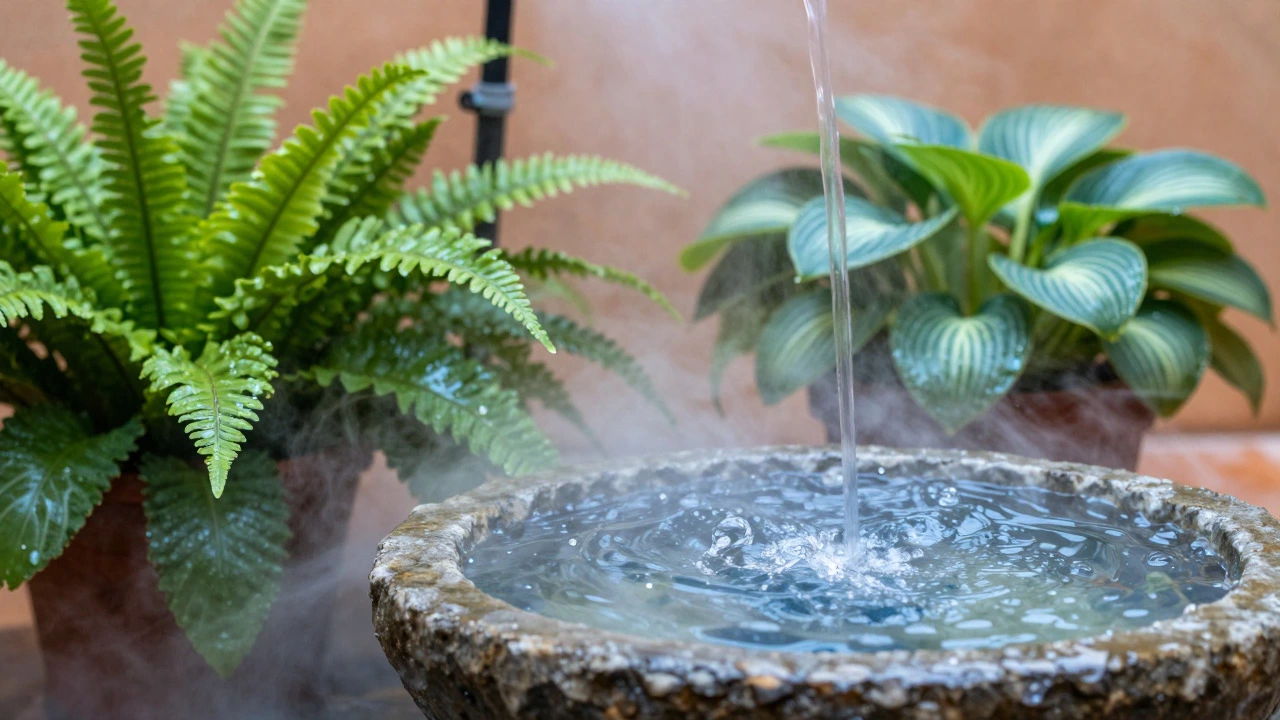
A small fountain or water feature does more than provide soothing sounds. The moving water increases evaporation rates, creating a microclimate that feels noticeably cooler. Even a simple bowl of water placed in direct sunlight will contribute to this effect, though a pump-driven fountain is far more effective. For best results, place the water feature near seating areas so the cooled air circulates around you.
You can also use misting systems. These consist of fine nozzles attached to a hose line that spray a barely visible mist into the air. When installed overhead or along walls, they can drop ambient temperatures by several degrees. While they do add humidity, which might not suit everyone, they are incredibly effective in dry heat. If you live in a humid climate like Brighton, test a small section first to see if the added moisture feels comfortable.
Another easy trick is to keep potted plants moist. Watering soil before the hottest part of the day ensures that evaporation occurs when you need it most. Grouping plants together creates a denser zone of evaporative cooling. Choose plants with high transpiration rates, such as ferns or hostas, for maximum impact.
Choosing Heat-Resistant Materials
The materials you use on your terrace play a huge role in how hot it gets. Dark colors absorb heat, while light colors reflect it. Similarly, dense materials like concrete and stone store heat during the day and release it slowly at night, making evenings uncomfortably warm.
Consider replacing dark decking or paving stones with lighter alternatives. Light-colored composite decking, pale stone tiles, or even white-painted wood can reflect sunlight rather than absorbing it. If replacement is not feasible, lay down outdoor rugs in light shades. These act as barriers between your feet and the hot surface, providing immediate comfort.
Furniture choice matters too. Metal chairs and tables become scorching hot in direct sun. Opt for woven synthetic rattan, teak, or aluminum with powder-coated finishes that stay cooler to the touch. Add cushions made from quick-dry, breathable fabrics. Avoid heavy vinyl or leather, which trap heat against your skin.
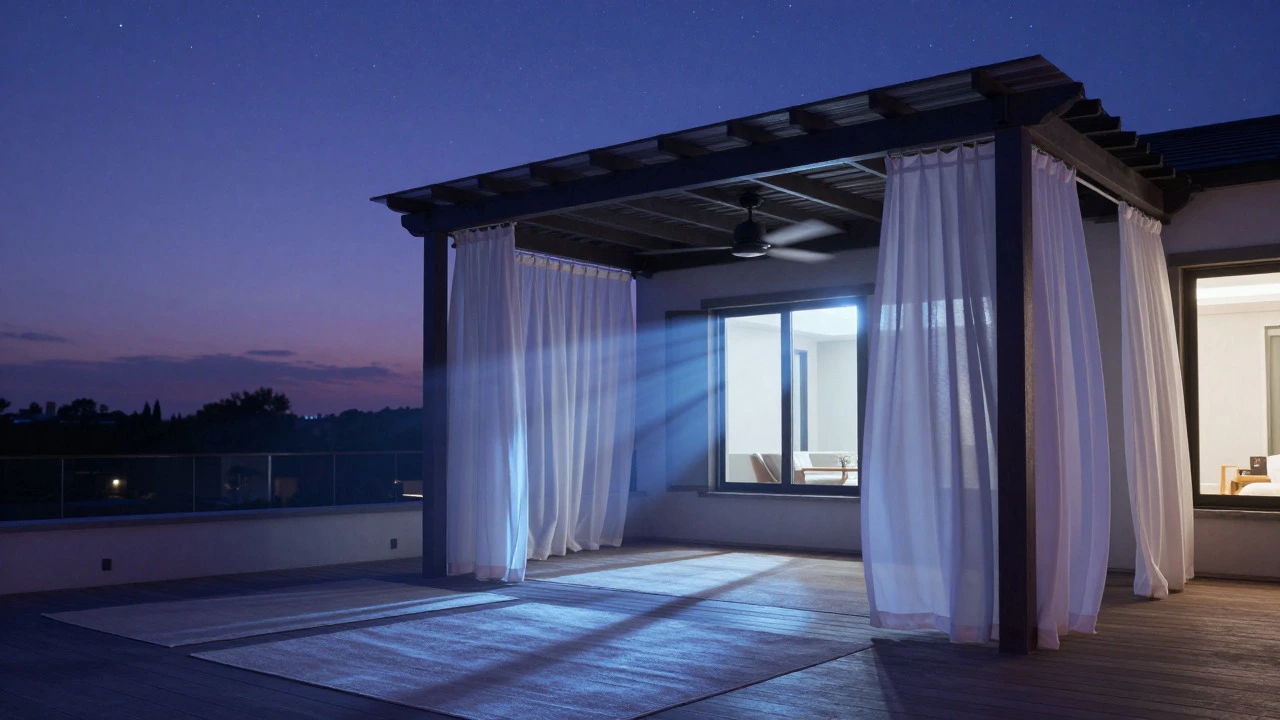
Vertical surfaces also contribute to heat buildup. A south-facing brick wall can radiate significant warmth. Covering it with climbing plants or hanging lightweight curtains can break up that radiation. White or cream-colored outdoor curtains not only add privacy but also reflect sunlight away from the seating area.
Enhancing Airflow and Ventilation
Stagnant air feels hotter because body heat has nowhere to go. Encouraging airflow helps dissipate warmth and keeps the environment feeling fresh.
Strategic placement of fans can make a big difference. Ceiling fans mounted under pergolas or awnings circulate air effectively, creating a wind-chill effect that makes you feel cooler even if the actual temperature remains unchanged. Portable pedestal fans positioned to blow across seating areas work well too. Aim them slightly upward to encourage vertical mixing of air layers.
Arrange your furniture to allow air to flow freely around it. Avoid blocking pathways or clustering items tightly. Leave gaps between chairs and tables so breezes can pass through. If your terrace is enclosed by railings or walls, consider adding decorative screens with open patterns that permit airflow while maintaining privacy.
Plants themselves can guide airflow. Tall, slender plants placed along edges can channel wind toward the center of the terrace. However, avoid placing large, bushy shrubs directly in front of windows or doors, as they may obstruct natural cross-ventilation from inside the house.
Nighttime Cooling Strategies
Daytime efforts are crucial, but nighttime cooling ensures your terrace remains usable after sunset. Heat stored during the day continues to radiate long after the sun goes down.
Rake or sweep debris off hard surfaces in the late afternoon. Leaves and dirt trap heat, so removing them helps surfaces cool faster. If possible, lightly spray paved areas with water in the early evening. As the water evaporates overnight, it carries away residual heat.
Use reflective tarps or emergency blankets temporarily draped over unused sections of the terrace. These materials reflect infrared radiation back into the atmosphere, preventing further heat absorption. Remove them in the morning to avoid trapping moisture.
Finally, embrace the stars. Clear nights allow heat to escape into the sky. Keep blinds or shutters open on adjacent windows to let indoor cool air mix with outdoor air. This passive ventilation strategy works best when there is a temperature differential between inside and outside.
What is the fastest way to cool down a hot terrace?
The fastest method is combining shade with evaporative cooling. Deploy a blackout parasol or retractable awning immediately, then set up a misting system or place bowls of ice water nearby. Within minutes, the shaded area will feel significantly cooler due to blocked solar radiation and increased evaporation.
Do artificial grass lawns get hot on terraces?
Yes, artificial grass can become very hot, especially dark green varieties. It lacks the cooling benefits of real soil and plant transpiration. To mitigate this, choose lighter-colored turf, install it over a permeable base that allows drainage, and mist it occasionally during peak heat hours.
Can I use my terrace at night if it was hot during the day?
Usually yes, but it depends on your materials. Concrete and stone retain heat longer than wood or composite decking. To speed up cooling, sweep debris off surfaces, spray them lightly with water in the evening, and maximize airflow with fans or open windows. Most terraces become comfortable within two to three hours after sunset.
Are ceiling fans effective on uncovered terraces?
Ceiling fans are less effective on completely uncovered terraces since they primarily circulate existing air rather than cooling it. They work best when combined with shade structures like pergolas or awnings. Without shade, the fan simply blows hot air around. Pairing a fan with evaporative cooling sources maximizes comfort.
Which plants are best for cooling a terrace naturally?
Choose plants with high transpiration rates and broad leaves. Ferns, hostas, impatiens, and coleus are excellent choices. Climbing vines like jasmine or clematis provide both shade and cooling through leaf evaporation. Plant them in containers near seating areas or train them on trellises above your head for optimal results.