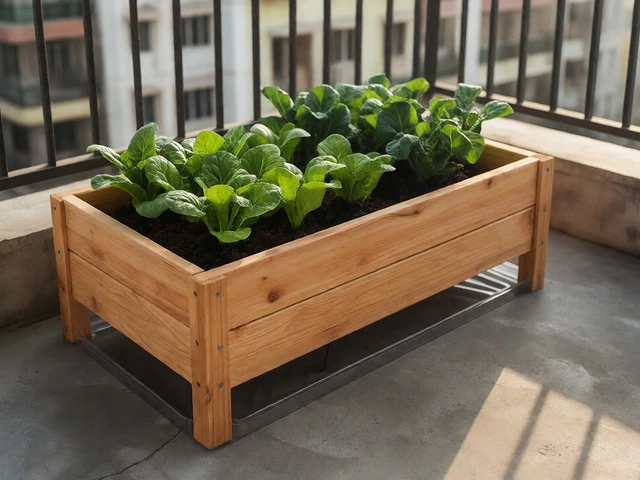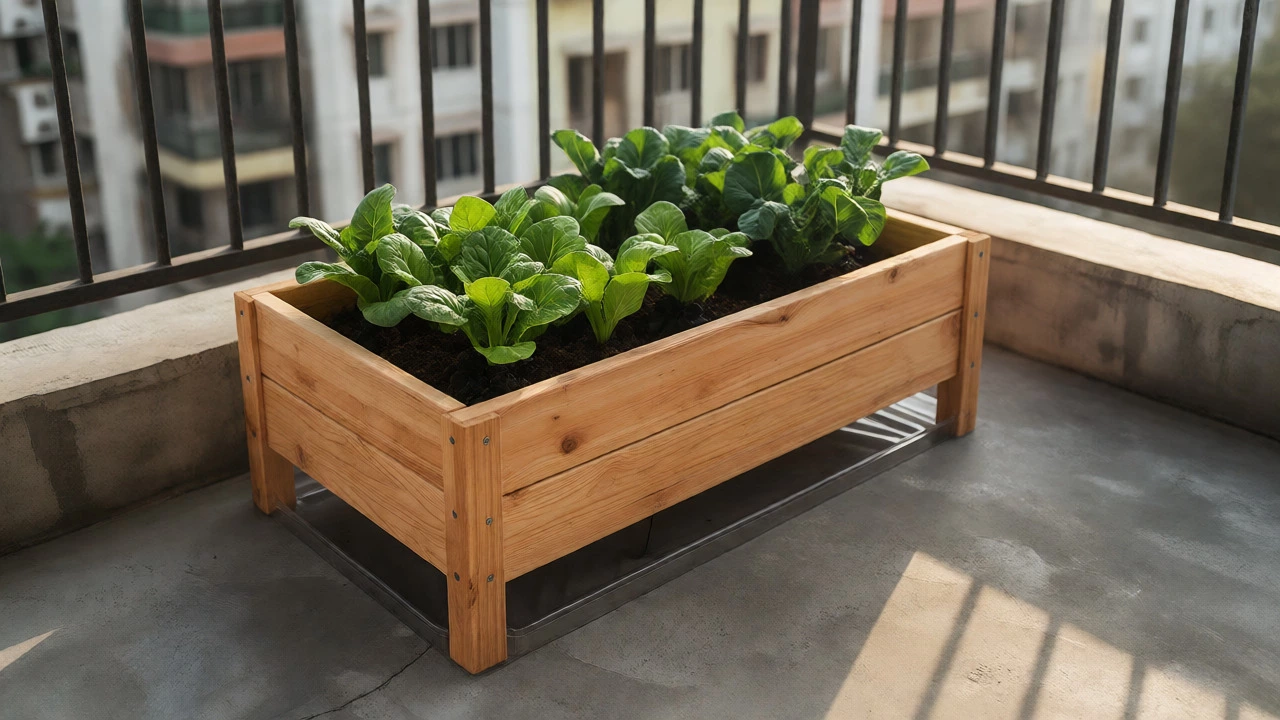
Balcony Garden Bed Weight Calculator
Enter your bed dimensions and soil type to see if your balcony can handle the weight.
Note: This calculator estimates static wet soil weight. It does not account for dynamic loads (people walking nearby) or furniture.
Analysis Result
Total Footprint Area
16 sq ft
Total Wet Weight
1,440 lbs
Load Per Sq Ft
90 psf
You’re standing on your concrete slab, looking at the empty corner that’s begging for some basil or tomatoes. The idea hits you: raised garden beds. They look tidy, they keep weeds down, and they make harvesting easier. But then the panic sets in. Is that heavy box of dirt going to crack your floor? Will it leak onto your neighbor below? Can you actually grow anything substantial in such a confined, elevated space?
The short answer is yes, you absolutely can put a raised garden bed on a balcony. In fact, it’s one of the smartest moves for urban growers who want more yield without dealing with invasive tree roots or ground-level pests. But it’s not as simple as dragging a wooden crate outside. You have to respect physics-specifically gravity and water flow. If you ignore weight limits or skip proper drainage, you’ll end up with a soggy mess or, worse, a structural complaint from your landlord.
The Weight Problem: Why Your Floor Matters
Let’s talk numbers, because this is where most people get burned. Soil is heavy. Really heavy. When wet, standard garden soil weighs about 80 to 100 pounds per cubic foot. A typical 4x4-foot raised bed that’s just 12 inches deep holds roughly 16 cubic feet of soil. Do the math: that’s over 1,500 pounds before you even plant a single seedling.
Most residential balconies are designed to hold a live load of 40 to 60 pounds per square foot. This accounts for people, furniture, and maybe a few potted plants. If you concentrate 1,500 pounds into a small area, you might exceed that limit, especially if the building is older or has cantilevered balconies (those sticking out without support underneath).
| Container Type | Typical Volume | Wet Soil Weight Estimate | Best For |
|---|---|---|---|
| Traditional Wooden Bed (12" deep) | 16 cu ft | ~1,400 lbs | Ground floors or reinforced decks |
| Lightweight Fabric Pot (15 gal) | 2 cu ft | ~150 lbs | All balconies; portable |
| Self-Watering Planter Box | Varies | Moderate (water reservoir adds weight) | Busy gardeners; consistent moisture |
| Raised Bed with Lightweight Mix | 16 cu ft | ~800-900 lbs | Balconies with moderate load capacity |
Notice the last row? That’s your sweet spot. You don’t need to abandon the raised bed idea; you just need to change what goes inside it. Using a lightweight potting mix instead of dense topsoil can cut the weight nearly in half. Always check with your building management if you’re renting. Ask specifically about the "live load" rating for your unit. If they say 40 psf, you’re safer with smaller, distributed containers than one massive central block.
Drainage: Saving Your Neighbor’s Ceiling
Water has to go somewhere. On the ground, it soaks into the earth. On a balcony, it runs off the edge or, if you’re unlucky, drips through cracks onto the apartment below. Raised beds exacerbate this because they hold large volumes of water that drain all at once after a rainstorm or heavy watering.
You cannot just drill holes in the bottom of a wooden box and call it a day. You need a containment system. Here is the non-negotiable setup:
- A waterproof liner: Use a heavy-duty pond liner or landscape fabric. It must cover the entire interior bottom and sides. This keeps the wood from rotting and stops soil from washing out.
- Drainage holes: Drill multiple holes (at least 1/2 inch diameter) in the bottom of the bed. Space them every 6-12 inches.
- A catch tray: Place a saucer or a dedicated drip tray under the bed. This catches the runoff. Empty it regularly, or let it evaporate if you’re in a dry climate. Never let water pool permanently under the bed, or you’ll create a mosquito breeding ground and potential slip hazard.
If you’re worried about overflow during heavy rains, consider elevating the bed slightly on bricks or plastic feet. This allows air circulation underneath and makes it easier to slide a larger tray out for cleaning. Some modern raised beds come with integrated self-watering systems that use capillary action, reducing the sudden surge of drainage water. These are excellent for balconies but require careful monitoring of the water reservoir level.
Building the Right Structure for Small Spaces
Standard 4x8-foot beds won’t fit on most balconies. You need to think vertically and compactly. Modular raised beds made of interlocking plastic or composite materials are ideal because they’re lightweight, weather-resistant, and often stackable.
If you prefer DIY, cedar is the gold standard for wood. It resists rot naturally and doesn’t leach chemicals into your food like pressure-treated lumber might. Avoid pine unless you seal it heavily, as it rots quickly when constantly damp. Metal beds (galvanized steel) are durable and slim, saving precious square footage, but they heat up fast in direct sun, which can cook delicate root zones.
Consider these design tweaks for maximum efficiency:
- Height matters: Go taller rather than wider. A 18-inch deep bed allows for deeper root growth for carrots and peppers while taking up less footprint than a shallow, wide spread.
- Corner solutions: Triangular raised beds fit perfectly into balcony corners, utilizing dead space that usually gets ignored.
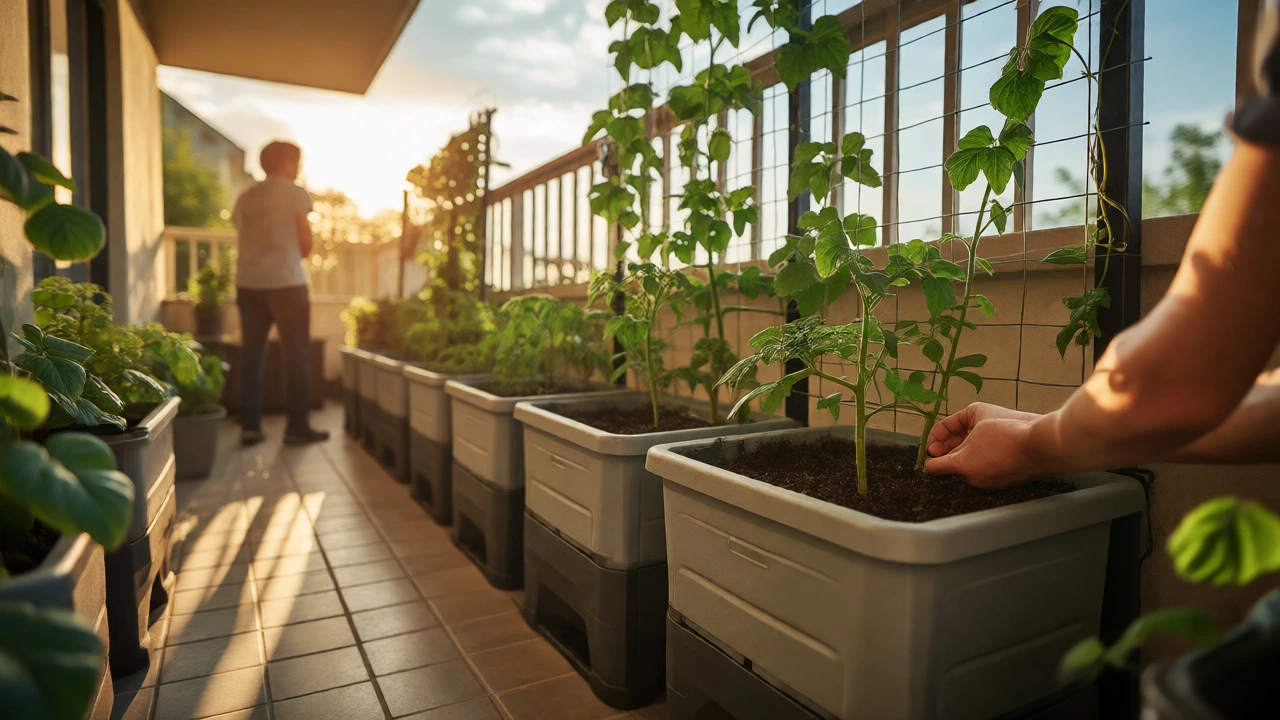
- Vertical integration: Attach trellises directly to the side of the raised bed frame. Grow beans, cucumbers, or climbing flowers upward. This doubles your planting area without adding an inch to the floor plan.
The Secret Sauce: Lightweight Soil Mix
Do not use bagged "garden soil" or topsoil from the hardware store. It’s too dense, compacts easily, and is incredibly heavy. For balcony raised beds, you need a custom blend that prioritizes aeration and low weight.
Try this proven recipe for a 1-cubic-foot batch:
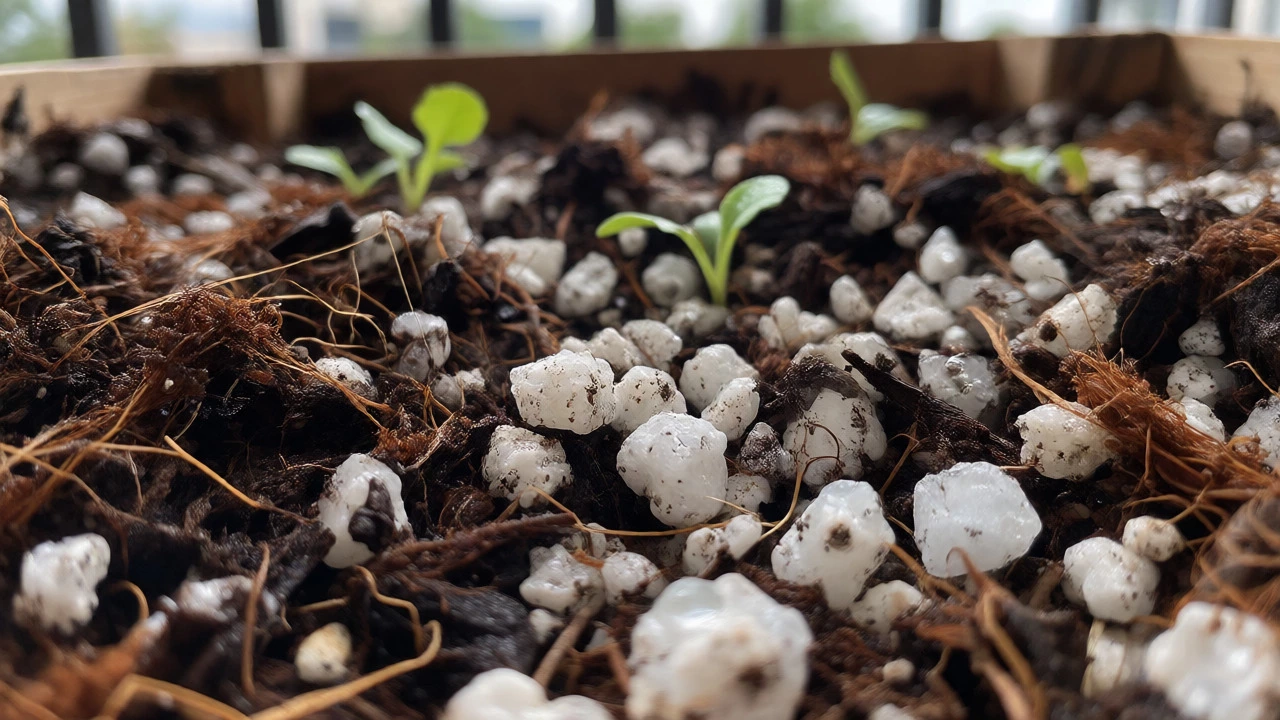
- 40% Coco Coir: Lighter than peat moss, sustainable, and holds moisture well without becoming waterlogged.
- 30% Perlite: Adds structure and keeps the mix airy. This reduces the overall density significantly.
- 20% Compost: Provides nutrients. Make sure it’s fully broken down to avoid introducing pests.
- 10% Vermiculite: Helps retain water and nutrients near the roots.
This mix weighs roughly 50% less than standard topsoil. It drains faster, which is critical for containers where root rot is a constant threat. Because it drains quickly, you will need to water more frequently. Mulching the top surface with straw or shredded bark helps lock in moisture and keeps the soil temperature stable.
What Actually Grows Well Up There?
Not everything thrives in a raised bed on a balcony. Wind is stronger up high, and sun exposure can be extreme depending on your orientation. South-facing balconies get intense heat; north-facing ones might struggle with light levels.
Start with crops that tolerate stress and have shallow-to-medium root systems:
- Leafy Greens: Lettuce, spinach, arugula, and kale are champions. They grow fast, don’t mind cooler temperatures, and have shallow roots.
- Herbs: Basil, parsley, cilantro, and chives love the controlled environment of a raised bed. Just watch out for mint-it spreads aggressively, so keep it in its own separate pot within the bed or isolate it completely.
- Dwarf Varieties: Look for "patio" or "bush" versions of vegetables. Dwarf tomatoes, bush beans, and mini peppers are bred for containers. They produce decent yields without needing three feet of root depth.
- Radishes: Ready in 25 days, tiny roots, instant gratification. Perfect for testing your soil mix.
Avoid large root vegetables like parsnips or full-sized potatoes unless your bed is exceptionally deep (over 24 inches). Corn is also a poor choice due to wind pollination issues and height restrictions.
Maintenance and Pest Control
Balconies are isolated ecosystems. You won’t have the same diversity of beneficial insects as a backyard garden, but you also won’t have deer or rabbits. Your main enemies are aphids, spider mites, and whiteflies.
Check your plants daily. Flip leaves over. Spider mites thrive in hot, dry conditions common on balconies. A strong jet of water from a hose nozzle can dislodge them. For aphids, insecticidal soap or neem oil works wonders. Since you’re growing food, stick to organic treatments.
Fertilization is tricky in raised beds. Nutrients wash out faster due to frequent watering. Use a slow-release organic fertilizer at planting time, then supplement with liquid fish emulsion or compost tea every two weeks. Taste test your greens-if they taste bland, you likely need more nitrogen.
Finally, winterize your setup. If you live in a cold climate, insulate the sides of the raised bed with bubble wrap or burlap to protect roots from freezing. Or, simply empty the soil, store the bed indoors, and start fresh next spring. Leaving wet soil frozen in a wooden box all winter can cause the wood to warp or split.
How much weight can a typical apartment balcony hold?
Most residential balconies are engineered to support a live load of 40 to 60 pounds per square foot. However, this varies by building age and construction type. Cantilevered balconies may have lower limits. Always consult your building management or a structural engineer before installing heavy raised beds, especially if using traditional soil.
Will a raised garden bed damage my balcony floor?
It can if not managed properly. Standing water can stain concrete, promote mold, or seep into seams causing leaks. Wood left directly on wet surfaces can rot. To prevent damage, always elevate the bed on feet or bricks and use a waterproof drip tray underneath to catch excess water.
What is the best soil for balcony raised beds?
A lightweight, porous mix is essential. Combine 40% coco coir, 30% perlite, 20% compost, and 10% vermiculite. This blend reduces weight by nearly half compared to standard topsoil, improves drainage to prevent root rot, and provides adequate aeration for healthy root development in confined spaces.
Can I grow tomatoes in a raised bed on a balcony?
Yes, but choose dwarf or patio varieties. Standard indeterminate tomatoes can grow 6-10 feet tall and require deep soil. Bush or determinate varieties stay compact and produce fruit earlier. Ensure your bed is at least 12-18 inches deep and provide support stakes or cages anchored to the bed frame to handle wind.
How do I handle drainage runoff on a balcony?
Use a combination of internal drainage holes and an external catch system. Drill holes in the bottom of the bed lined with landscape fabric to prevent clogging. Place a large, flat drip tray beneath the entire bed footprint. Check and empty the tray weekly, or immediately after heavy rains, to prevent overflow onto neighboring units or walkways.