Rooftop Farming Viability & Cost Estimator
- Enter your details to see risk flags.
Imagine harvesting fresh lettuce on your office roof while avoiding the traffic jam below. It sounds like the ultimate win for city dwellers and sustainability enthusiasts alike. But before you sign that lease or buy those heavy soil bags, there is a reality check waiting in the wings. Rooftop farming isn't just about planting seeds; it is a complex engineering and logistical puzzle that can quickly turn from a green dream into a financial nightmare if ignored.
While the benefits of local food production are well-documented, the drawbacks often remain hidden until the first storm hits or the water bill arrives. This guide breaks down the specific hurdles you will face, from structural limits to daily maintenance headaches, so you can decide if this project is truly viable for your space.
The Hidden Cost of Water Management
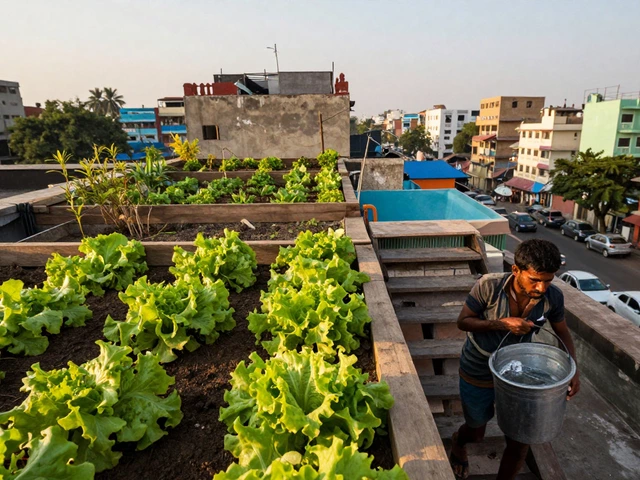
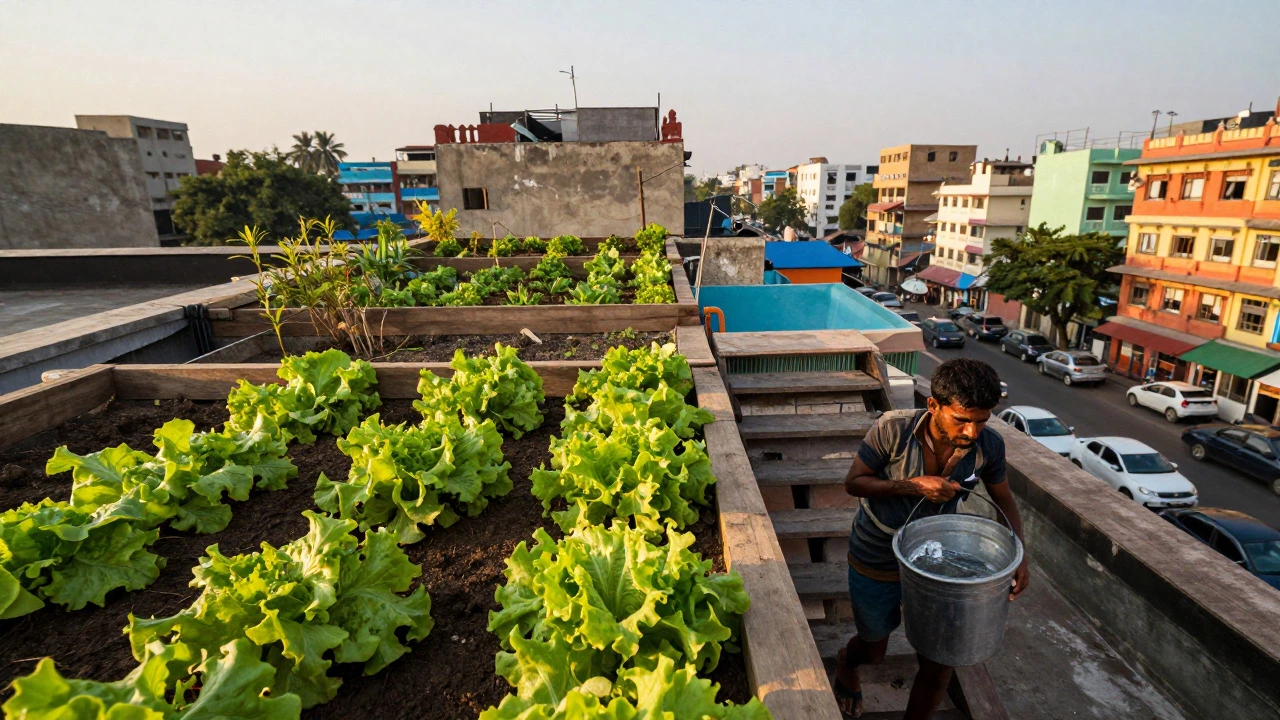
Water is the lifeblood of any farm, but on a rooftop, it becomes a logistical headache unlike ground-level gardening. Gravity works against you here. Every time you irrigate, you are moving hundreds of liters of water up several floors using pumps or carrying buckets by hand. If you rely on gravity-fed systems, you need elevated tanks, which adds significant weight and complexity.
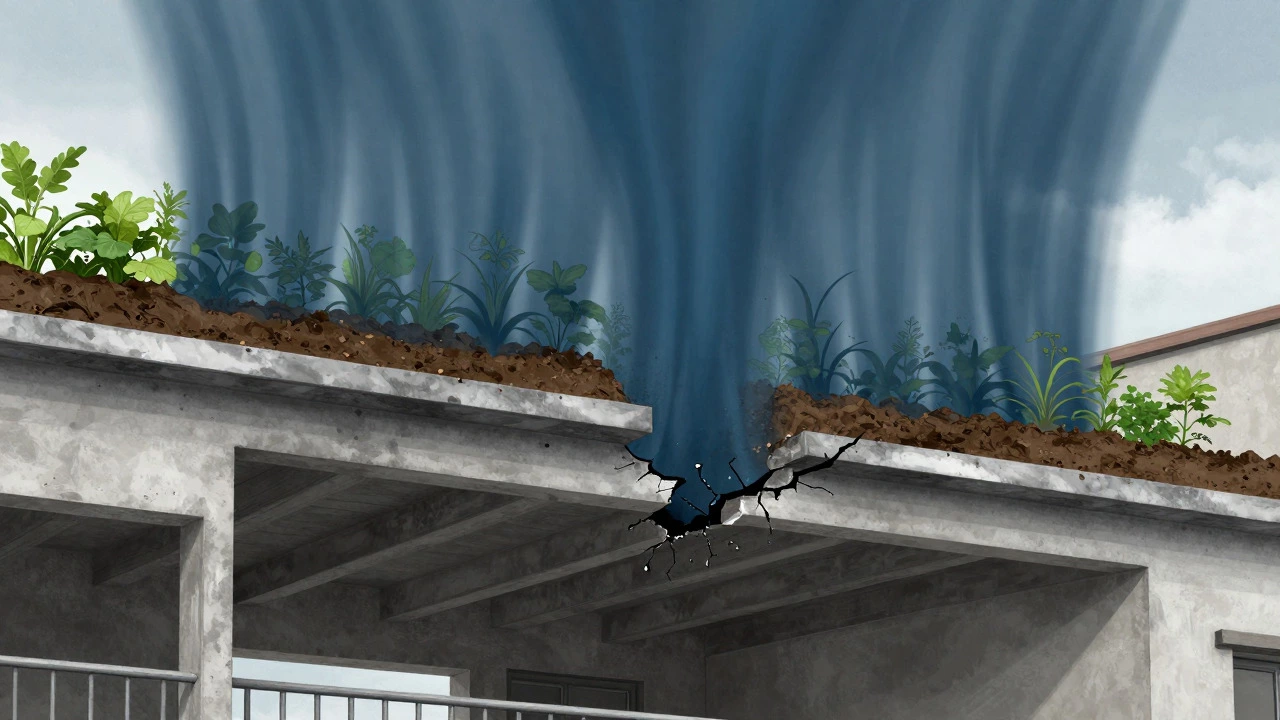
Furthermore, drainage is critical. A saturated soil bed weighs roughly twice as much as dry soil. If your roof’s drainage system clogs during a heavy rainstorm, you risk pooling water that can seep into the building structure. This leads to two major issues:
- Pumping Energy: Electric pumps required to lift water consume substantial electricity, increasing operational costs significantly compared to standard garden irrigation.
- Plumbing Risks: Improperly sealed containers or cracked pots can leak onto the roof membrane, causing long-term damage that is expensive to repair.
In Brighton, where rainfall is frequent, managing excess moisture is just as important as providing it. You need a robust plan for both delivery and removal to avoid costly repairs.
Structural Limits and Weight Constraints
This is arguably the most dangerous con of rooftop farming. Most residential and commercial roofs are not designed to hold the static and dynamic loads of a full-scale farm. A single square meter of deep soil, when wet, can weigh between 100 and 150 kilograms. Multiply that by even a small plot, and you have tons of extra pressure on beams and joists.
Before placing a single plant, you must consult a structural engineer. They will assess the roof's load-bearing capacity. If the roof cannot support the weight, you have three options:
- Reinforce the structure (expensive and invasive).
- Use lightweight growing media like coco coir or vermiculite instead of topsoil.
- Limit the depth of the soil beds.
Ignoring this step can lead to sagging ceilings, cracked walls, or in extreme cases, structural failure. The insurance implications alone should make this a priority. Many standard home insurance policies exclude damage caused by unauthorized modifications or overloading structures.
Wind Exposure and Microclimates
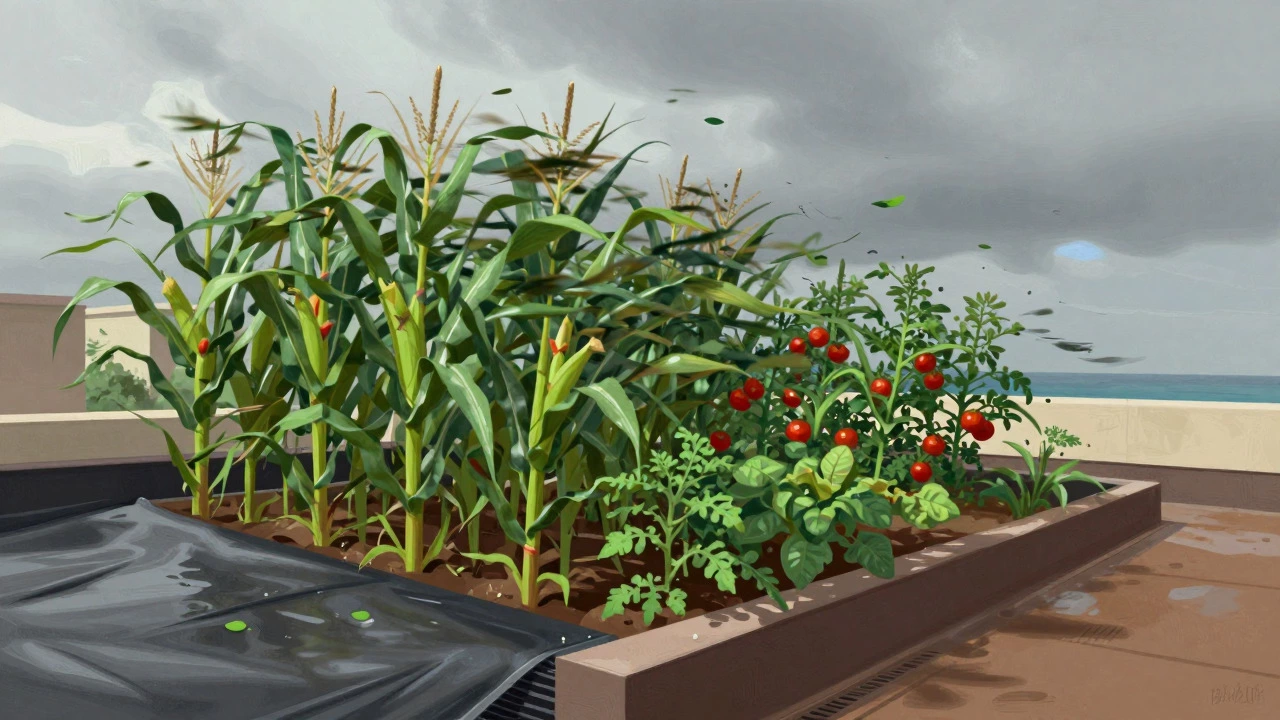
Rooftops are exposed environments. Unlike a sheltered backyard, a roof has no natural windbreaks. In coastal areas like Brighton, strong winds can desiccate plants rapidly, breaking stems and drying out soil surfaces within hours. This creates a microclimate that is harsher than the street level below.
Wind chill also extends the frost season. Temperatures on a rooftop can be 2-3 degrees Celsius lower than at ground level due to radiative cooling. This means your growing season might be shorter than you expect. You may need cold frames, row covers, or greenhouse structures to protect tender crops like tomatoes or basil, adding to the initial investment.
Additionally, wind carries debris. Birds, insects, and airborne pollutants settle faster on open rooftops. You will likely spend more time netting your crops and cleaning leaves off solar panels or HVAC units nearby.
Maintenance Access and Labor Intensity
Gardening on the ground allows you to bend down easily. On a roof, every action requires climbing stairs, ladders, or using access hatches. Carrying a 20kg bag of compost up four flights of stairs is exhausting work. Doing it weekly for fertilization or soil replacement turns a hobby into a physical job.
Access for larger equipment is nearly impossible. You won’t be able to use a wheelbarrow on a narrow walkway or a large tiller on a flat membrane surface without risking punctures. This forces you to rely on hand tools, which slows down tasks like weeding, harvesting, and turning soil.
If you get injured or ill, maintaining the farm becomes difficult. There is no one else to help unless they are willing to haul materials up the stairs. This labor intensity is a major deterrent for busy professionals who expected urban farming to be low-maintenance.
Regulatory Hurdles and Permits
Many people assume that if you own the building, you can do whatever you want with the roof. That is rarely true. Local planning authorities often have strict rules about what can be placed on a roof, especially in heritage areas or dense urban centers.
You may need permission for:
- Installing permanent structures like greenhouses or raised beds.
- Adding water storage tanks visible from the street.
- Changing the appearance of the roofline.
In Brighton, conservation area guidelines can be particularly stringent. A simple delay in obtaining permits can stall your project by months. Always check with your local council before buying supplies. The cost of legal fees and potential fines for non-compliance can wipe out the savings from home-grown produce.
Comparison: Rooftop vs. Ground-Level Urban Gardens
To visualize the trade-offs, here is how rooftop farming compares to traditional ground-level container gardening or community plots.
| Factor | Rooftop Farming | Ground-Level/Community Plot |
|---|---|---|
| Initial Setup Cost | High (structural assessment, waterproofing, access) | Low to Medium (tools, soil, containers) |
| Labor Intensity | Very High (carrying materials up stairs) | Medium (walking distance, easier access) |
| Wind Exposure | High (requires protection) | Low to Medium (sheltered by buildings/trees) |
| Water Delivery | Complex (pumps or manual lifting) | Simple (hose tap connection) |
| Regulatory Risk | High (permits, insurance clauses) | Low (standard zoning rules) |
Who Should Avoid Rooftop Farming?
Not everyone is suited for this type of urban agriculture. You should probably look for an alternative if:
- Your building is older than 50 years and lacks recent structural surveys.
- You live in a high-rise apartment with limited stairwell width.
- You have mobility issues that make carrying heavy loads difficult.
- You are on a tight budget with little room for unexpected repairs.
- Your local council has strict aesthetic controls on roof usage.
For these groups, a balcony garden or a rented community plot offers similar rewards with fewer risks. The joy of growing food doesn't require you to fight physics and bureaucracy simultaneously.
Frequently Asked Questions
How much weight can a typical roof hold?
It varies widely, but a standard residential roof might handle 15-30 kg per square meter for snow loads. However, wet soil can weigh 100+ kg per square meter. Always get a professional structural assessment before starting.
Is rooftop farming worth it financially?
Rarely, unless you grow high-value crops like herbs or microgreens. For vegetables, the labor and setup costs often exceed the price of store-bought produce. The value is usually in freshness, sustainability, and mental health rather than pure profit.
What is the biggest risk of rooftop farming?
Structural overload and water damage. If the roof leaks or sags, the repair costs can be thousands of pounds. Ensuring proper waterproofing and load distribution is critical to mitigating this risk.
Can I use regular potting soil on a roof?
Yes, but consider its weight. Standard potting soil is heavy. Mixing it with lighter amendments like perlite or coco coir can reduce the total weight while maintaining nutrient content, making it safer for older structures.
Do I need a permit for a small herb garden on my roof?
Usually, no, if it is temporary and doesn't alter the building's appearance. However, if you install permanent raised beds, greenhouses, or large water tanks, you may need planning permission. Check with your local council to be sure.