Container Garden Watering Calculator
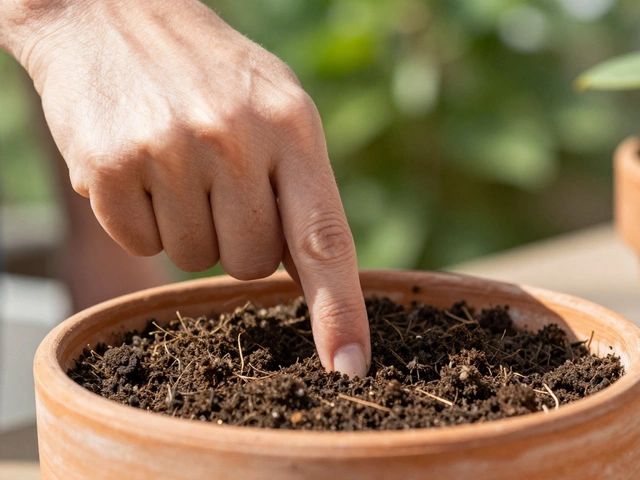
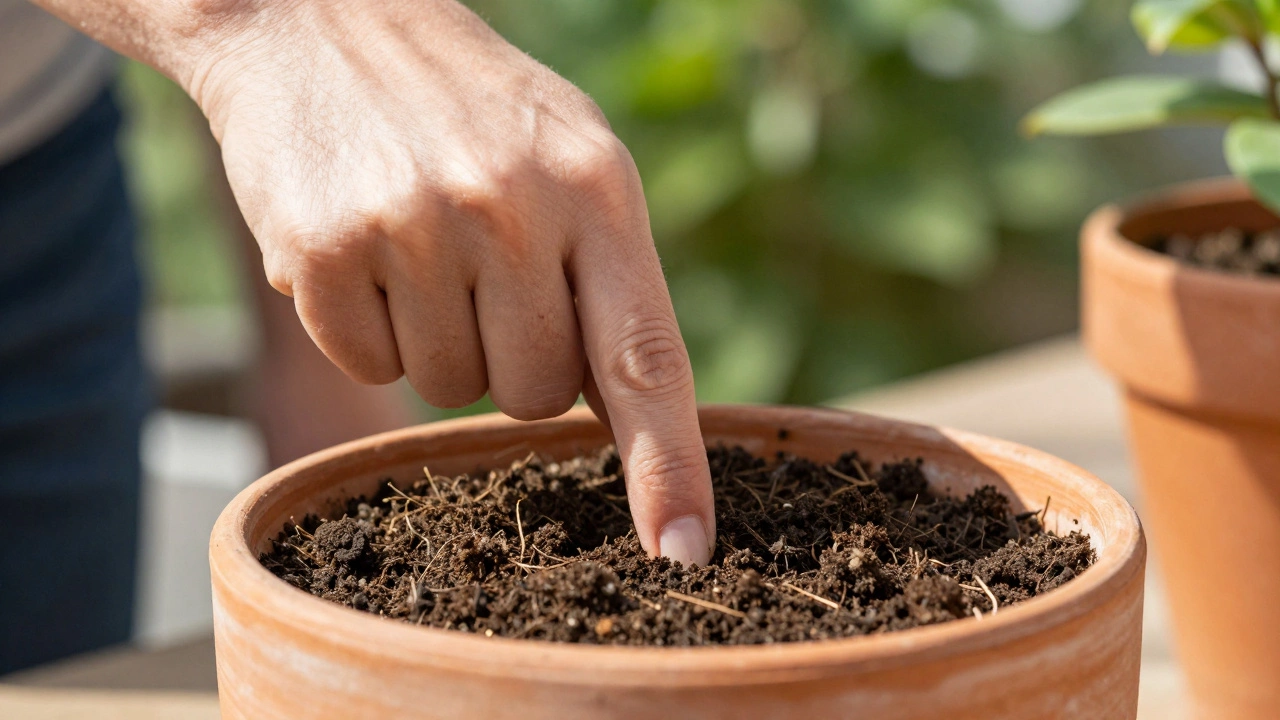
- Finger Test: Insert finger 2 inches deep. If dry, water thoroughly.
- Morning Best: Water between 6-9 AM to prevent fungal diseases.
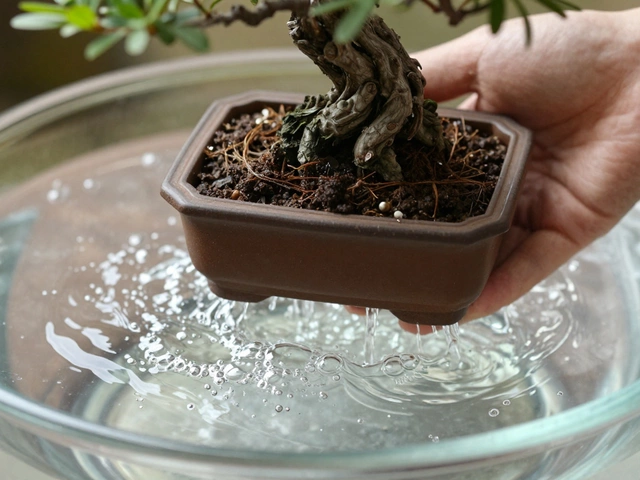
- Deep Soaking: Water until it flows from drainage holes, then wait 10 mins and repeat.
- Mulch: Add 1-2 inches of mulch to reduce evaporation by up to 70%.
It’s a hot Tuesday in May, and your pots on the terrace are baking in the sun. The soil looks dry on top. Do you grab the hose right now, or wait until tomorrow? This is the single most common mistake new container gardeners make: treating all pots like they need the same daily drink. The short answer is no, you should not water every day just because it’s a routine. In fact, daily watering often kills more plants than drought does.
Watering needs change based on pot size, plant type, weather, and even the material of the container. If you’re standing on a balcony or terrace in Brighton-or anywhere with similar unpredictable winds-you’re dealing with faster evaporation rates than someone with ground-level beds. But that doesn’t mean “more water” is always better. It means “smarter water.”
The Truth About Daily Watering
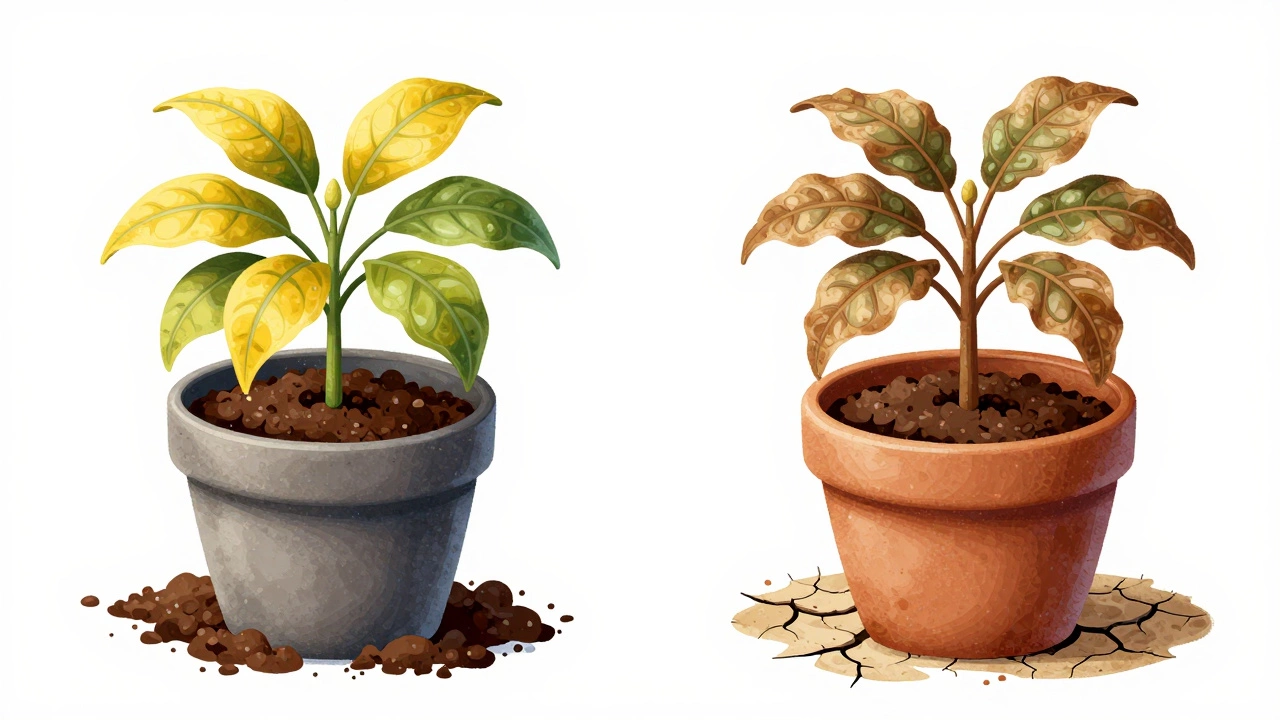
Daily watering sounds responsible, but it’s actually risky. When you water every day without checking if the soil is truly dry, you suffocate roots. Roots need oxygen as much as they need water. Soggy soil fills air pockets, leading to root rot-a silent killer that shows up as yellowing leaves, wilting despite wet soil, or a foul smell from the pot.
I’ve seen this happen to beginners who think “dry-looking surface = thirsty plant.” Not true. The top inch of soil dries out quickly, especially in terracotta or plastic pots under direct sun. But deeper down, the roots might still be sitting in damp earth. Stick your finger two inches into the soil. If it feels moist, walk away. If it’s dry, then water thoroughly.
This simple test prevents overwatering, which causes about 60% of container plant deaths according to horticultural extension services. Underwatering gets attention, but overwatering is the quiet culprit.
What Actually Determines How Often to Water?
You can’t set a calendar reminder for “water every Monday.” Nature doesn’t work on schedules. Instead, watch these five factors:
- Pot Size: Small pots (under 5 gallons) dry out fast-sometimes within 24 hours in summer heat. Large containers (10+ gallons) hold moisture longer and may only need watering every 3-4 days.
- Pot Material: Terracotta breathes and wicks moisture away through its walls, drying faster than plastic or ceramic. Glazed ceramic holds water longest. Plastic sits somewhere in between.
- Plant Type: Herbs like basil and mint love consistent moisture. Succulents and lavender prefer to dry out completely between waters. Tomatoes and peppers need deep, regular soaking during fruiting season.
- Weather: Wind accelerates evaporation. On a breezy terrace, even shaded pots lose moisture faster. Humidity slows drying; low humidity speeds it up. Hot spells above 85°F (29°C) demand closer checks.
- Soil Mix: Standard potting mix drains well but holds some moisture. Adding perlite or vermiculite increases drainage, meaning less retention. Coconut coir retains water better than peat moss.
Combine these variables, and you’ll see why one-size-fits-all watering fails. A small terracotta pot with rosemary in full sun might need daily watering in July. A large plastic tub with hostas in partial shade could go four days without water.
How to Check Soil Moisture Like a Pro
Finger testing works, but let’s get precise. Here’s how I check my terrace pots:
- Insert your index finger straight down to the second knuckle (about 2 inches).
- Feel for coolness and slight resistance-that’s moisture. Dry soil feels warm and crumbly.
- If unsure, pull out a wooden chopstick or skewer. Leave it in the soil for 10 minutes, then remove. Dark streaks mean wetness; clean wood means dry.
- For tech lovers, buy a cheap moisture meter ($10-$15). Insert probe, read scale. Green zone = good. Red = too dry. Blue = too wet.
Do this at the same time each day, ideally morning. Evening watering traps humidity around foliage, inviting fungal diseases like powdery mildew. Morning watering lets leaves dry before nightfall.
Signs You’re Overwatering vs. Underwatering
Mistaking one for the other leads to wrong fixes. Learn the difference:
| Symptom | Overwatering | Underwatering |
|---|---|---|
| Leaves | Yellow, soft, droopy | Brown, crispy, curled edges |
| Stems | Mushy, dark spots | Brittle, thinning |
| Soil Smell | Foul, rotten egg odor | Earthy, neutral |
| Growth | Stunted, new leaves small | Slow, sparse branching |
| Roots (if repotted) | Brown, mushy, slimy | White/tan, firm, shriveled |
If you suspect overwatering, stop watering immediately. Remove standing water from saucers. Loosen topsoil gently to improve airflow. In severe cases, repot with fresh, gritty mix. For underwatering, soak the entire pot in a bucket of water for 30 minutes to rehydrate slowly.
Smart Watering Techniques for Terrace Gardens
Since terraces expose plants to wind and reflected heat, you need strategies beyond guesswork:
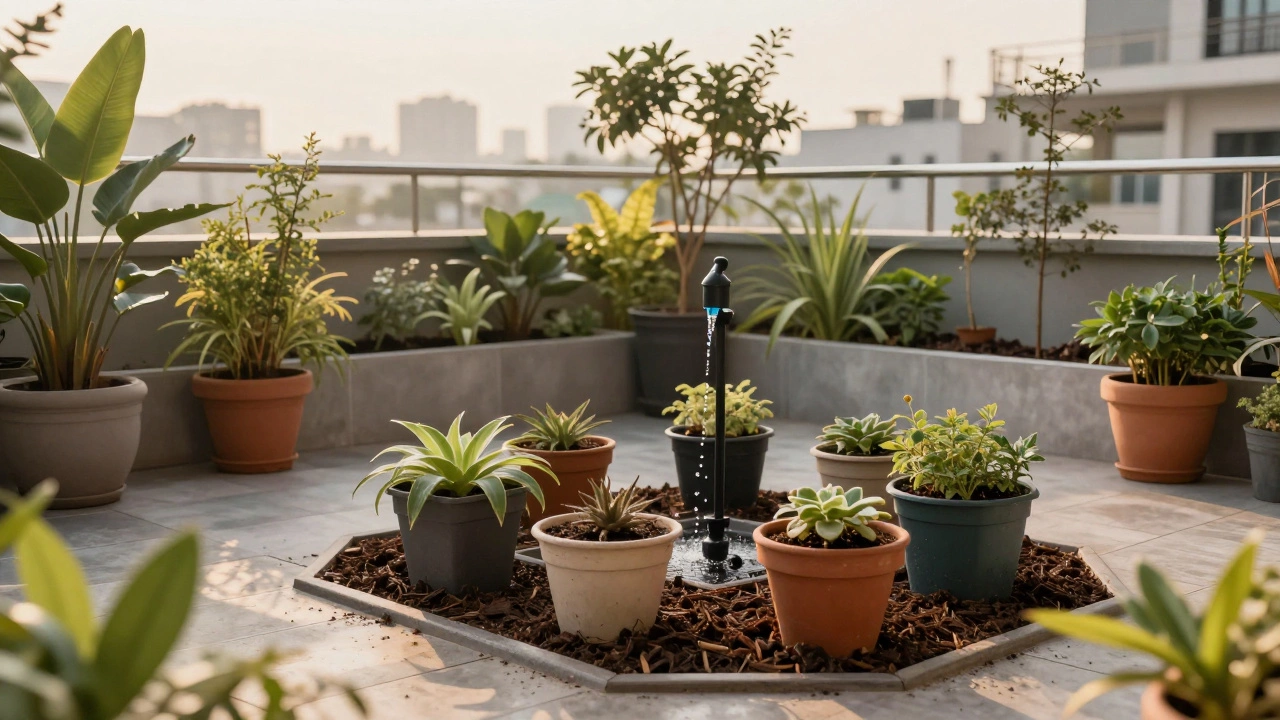
- Mulch generously: Add 1-2 inches of bark chips, straw, or shredded leaves on top of soil. Mulch cuts evaporation by up to 70%. It also keeps roots cooler.
- Group plants together: Cluster pots to create a microclimate. Shared humidity reduces individual water loss. Just ensure airflow to prevent disease.
- Use self-watering pots: These have reservoirs that feed water upward via capillary action. Ideal for vacations or busy weeks. Look for models with visible water levels.
- Install drip irrigation: Timer-controlled drip lines deliver slow, even moisture directly to roots. Set for 15-20 minutes early morning. Saves time and water.
- Add water-retaining crystals: Mix hydrogel granules into soil when planting. They absorb 300x their weight in water, releasing it gradually. Great for high-drainage mixes.
These methods don’t replace checking-they reduce frequency and stress. Combine them, and you’ll spend less time worrying and more time enjoying your green space.
Seasonal Adjustments: Spring Through Winter
Your watering rhythm shifts with seasons. Don’t stick to summer habits year-round:
- Spring (April-June): Moderate temps, variable rain. Water every 2-3 days depending on rainfall. Watch for sudden heatwaves.
- Summer (July-August): Peak demand. Small pots may need daily watering. Large pots every 2-3 days. Morning watering essential.
- Fall (September-October): Cooling down. Reduce to every 4-5 days. Plants slow growth, using less water.
- Winter (November-March): Dormancy mode. Most outdoor containers need watering once every 7-10 days. Only if soil is bone dry. Avoid freezing nights-water midday so it absorbs before frost.
In Brighton, winter rains often keep soil adequately moist. Check anyway. Indoor-moving plants? Place near bright windows, water sparingly, and use pebble trays to boost humidity without oversaturating soil.
Common Mistakes That Ruin Container Gardens
Avoid these traps:
- Watering lightly: Sprinkling the surface doesn’t reach roots. Water until it flows freely from drainage holes. Then wait 10 minutes and repeat to ensure full saturation.
- Ignoring drainage: Pots without holes trap water. Drill them if needed. Add a layer of gravel? Myth. It creates a perched water table. Use quality potting mix instead.
- Using tap water blindly: Hard water builds salts in soil over time, harming sensitive plants. Let tap water sit overnight to dissipate chlorine, or collect rainwater for best results.
- Comparing to neighbors: Their south-facing wall heats differently than your north-leaning railing. Your pots dry at different rates. Trust your observations, not theirs.
Every container is unique. Treat them as individuals, not clones.
Can I water my container garden every day without harm?
No, daily watering usually harms plants by causing root rot. Always check soil moisture first. Water only when the top 2 inches are dry. Frequency depends on pot size, material, plant type, and weather-not a fixed schedule.
How do I know if my container plants are getting enough water?
Check soil moisture with your finger or a wooden skewer. Healthy plants stand upright with vibrant green leaves. Wilting after watering suggests overwatering; crisp brown edges indicate underwatering. Adjust based on symptoms.
What’s the best time of day to water container gardens?
Early morning (6-9 AM) is ideal. Leaves dry before evening, reducing fungal risk. Avoid afternoon watering-it evaporates quickly. Never water late evening; trapped moisture invites disease.
Do self-watering pots eliminate the need to monitor watering?
Self-watering pots reduce manual effort but don’t replace monitoring. Refill reservoirs weekly. Check for algae buildup or clogged wicks. Still inspect plants for stress signs-some species dislike constant moisture.
How often should I water succulents in containers?
Succulents need infrequent watering. Allow soil to dry completely between sessions. In summer, every 7-10 days. In winter, every 3-4 weeks. Overwatering kills them fastest. Use gritty, fast-draining mix.