Banana Peel Plant Fertilizer Calculator
Throwing your banana peel in the trash feels wrong. You know it’s full of nutrients, but tossing it into your garden bed whole won’t magically turn your tomatoes into giants. So, what do banana peels actually do for plants? They are a slow-release source of potassium and phosphorus, two heavy hitters for root strength and fruit production. But they aren’t a cure-all, and using them incorrectly can actually hurt your soil balance.
If you want to stop guessing and start seeing results, you need to understand how these peels break down, which plants crave their specific nutrients, and the best ways to apply them without attracting pests or creating nutrient locks. Let’s get straight to the science and the practical steps.
The Nutrient Profile: What’s Inside the Peel?
To understand why we use banana peels, we have to look at what’s inside them. When people talk about plant food, they usually refer to N-P-K: Nitrogen, Phosphorus, and Potassium. Banana peels are famous for one thing: Potassium (K).
A single dried banana peel contains roughly 40-50% potassium by weight. In gardening terms, this is huge. Potassium isn’t like nitrogen, which makes leaves grow big and green. Potassium is the regulator. It helps plants move water and sugars around. It strengthens cell walls, making stems less likely to snap in the wind. Most importantly, it triggers flowering and fruit development. If your roses aren’t blooming or your peppers are dropping off before they ripen, potassium deficiency might be the culprit.
Beyond potassium, peels contain:
- Phosphorus: Essential for root growth and energy transfer within the plant.
- Calcium: Helps prevent blossom end rot in vegetables like tomatoes and squash.
- Magnesium: A key component of chlorophyll, helping with photosynthesis.
- Trace amounts of sulfur, iron, and zinc.
However, banana peels are low in nitrogen. This means they will not give your leafy greens a massive growth spurt on their own. They are a supplement, not a complete meal.
How Banana Peels Actually Benefit Your Garden
When applied correctly, the breakdown of these nutrients offers three main benefits for your garden soil and plants.
1. Boosting Flower and Fruit Production
This is the number one reason gardeners use banana peels. The high potassium content signals the plant to shift energy from vegetative growth (leaves) to reproductive growth (flowers and fruits). For berry bushes, tomato vines, and flowering ornamentals, this can mean larger yields and brighter blooms. The calcium also plays a role here; strong cell walls mean fruits are less prone to splitting and cracking during heavy rains.
2. Strengthening Root Systems
Phosphorus and potassium work together to build robust roots. Healthy roots absorb water and other nutrients more efficiently. If you’ve recently transplanted seedlings, adding decomposed banana material near the root zone can help reduce transplant shock and encourage quick establishment.
3. Improving Soil Structure Over Time
As the organic matter in the peel breaks down, it adds carbon to the soil. This feeds the beneficial microbes and fungi that keep your soil loose and airy. Good soil structure prevents compaction, allowing roots to breathe and water to drain properly. This is especially useful in clay-heavy soils that tend to become hard and impermeable.
The Myth of "Instant" Fertilizer
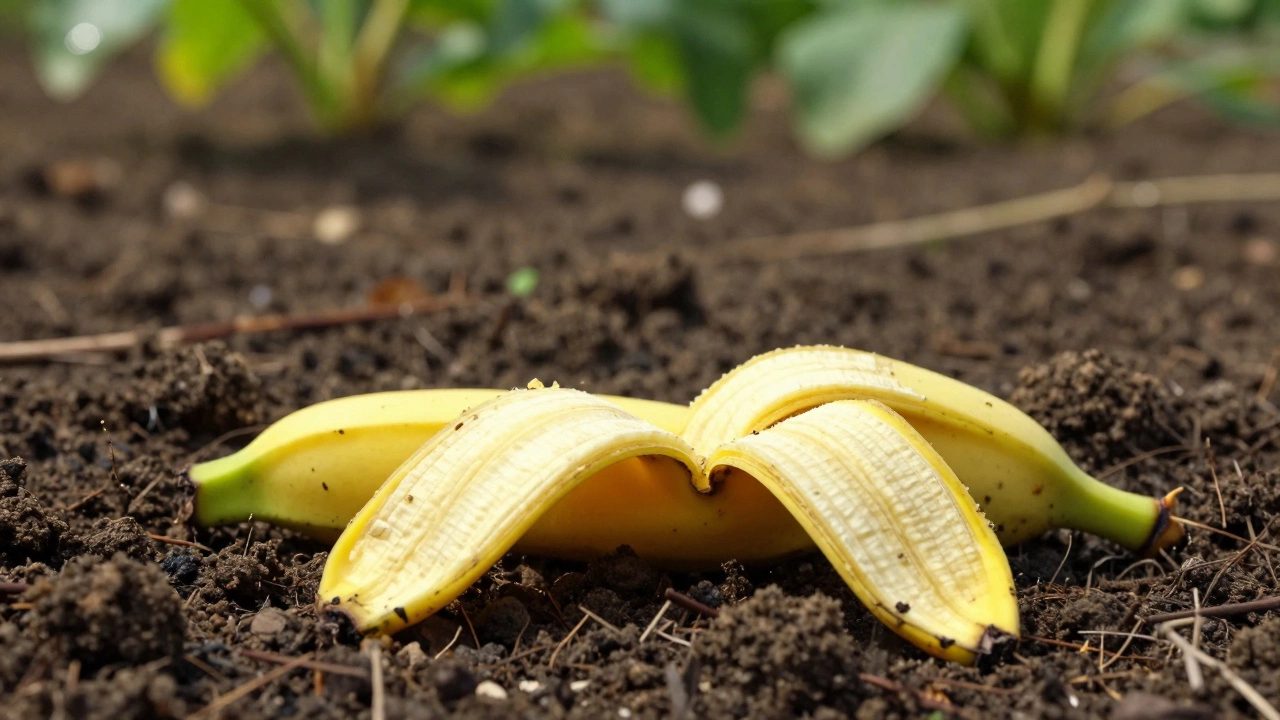
You’ve probably seen videos suggesting you bury a fresh peel next to a plant and watch it grow overnight. Here’s the truth: **Plants cannot eat raw banana peels.**
Plant roots absorb nutrients only when they are dissolved in water as ions. A solid peel sitting in the dirt does nothing until microorganisms break it down. This process takes time-usually several weeks to months depending on temperature and moisture. If you bury a large chunk of peel, it will rot slowly. During this decomposition, bacteria consume oxygen in the soil, which can temporarily suffocate nearby roots. Worse, the rotting smell can attract rodents, raccoons, and flies to your garden bed.
Never place fresh peels directly against plant stems. The decomposition heat and acidity can burn tender tissues. Always process the peels first to make the nutrients available faster and safer.
4 Best Ways to Use Banana Peels for Plants
To get the most out of your kitchen scraps, choose one of these methods based on your timeline and garden needs.
- Composting (The Slow & Steady Method)
Add chopped peels to your compost bin. Because they are high in potassium and low in nitrogen, they are considered "brown" material in some contexts, though technically they are "greens" due to moisture. Chop them small to speed up decomposition. Once the compost is finished (dark, crumbly, earthy smell), mix it into your soil. This is the safest way to improve overall soil health without risking nutrient imbalances. - Banana Peel Tea (The Quick Release)
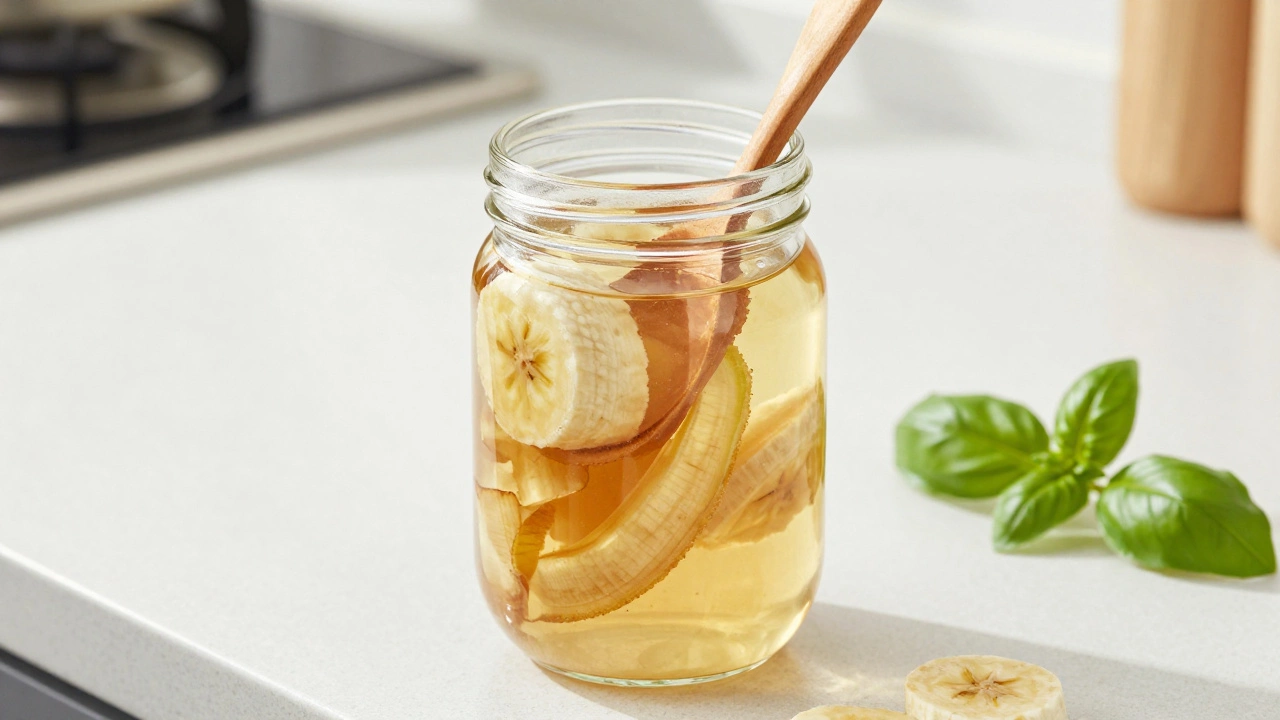
This is my favorite method for a fast boost. Take 3-4 peels, chop them finely, and soak them in a gallon of water for 2-3 days. Strain the liquid. The resulting tea is rich in soluble potassium and phosphorus. Water your plants with this solution once every two weeks during the flowering season. Discard the soaked peels in the compost. Note: The tea smells sweet, so don’t leave it standing for more than 3 days or it will ferment and smell bad. - Dried Powder (The Concentrated Dose)
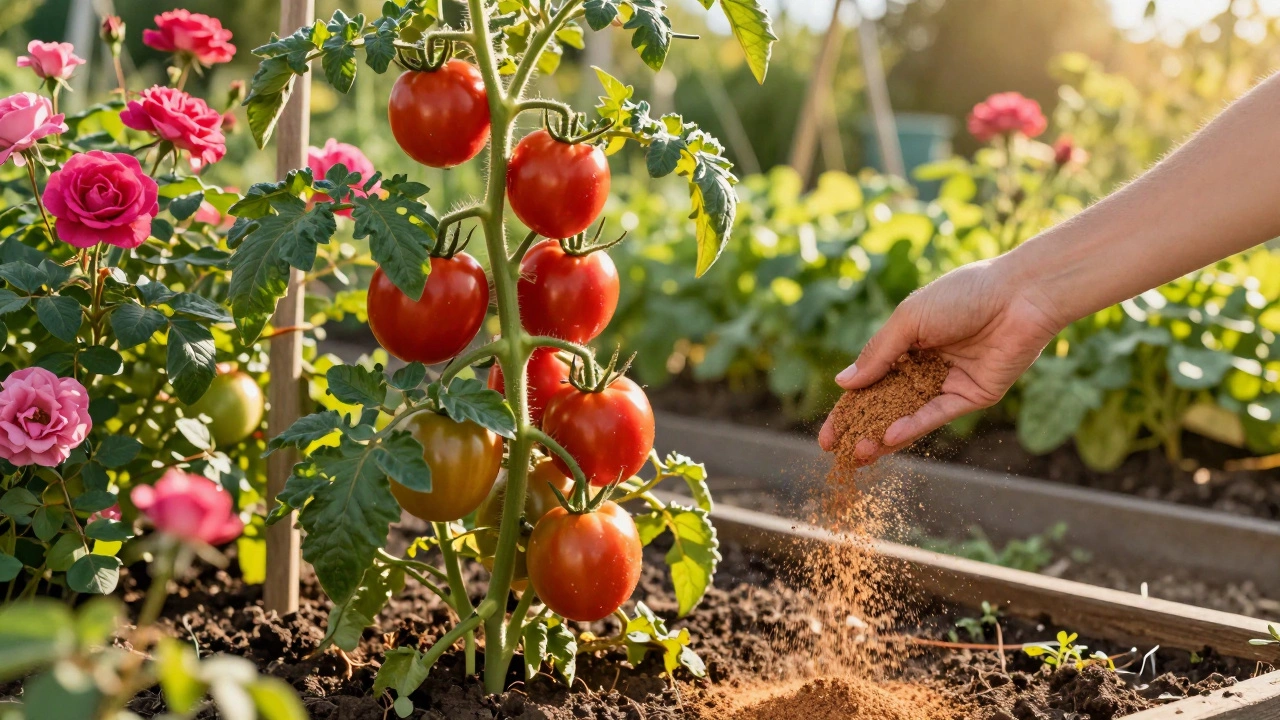
For long-term storage, dry the peels in an oven at low heat (200°F / 95°C) until they are brittle. Grind them into a fine powder using a coffee grinder or blender. Sprinkle a teaspoon of this powder around the base of your plants and scratch it lightly into the top inch of soil. The powder breaks down much faster than whole peels, releasing nutrients within a few weeks. Store extra powder in an airtight container. - Burying Chopped Pieces (The Direct Feed)
If you must bury them, chop the peels into tiny pieces (less than 1 cm). Dig a hole 6-8 inches away from the plant stem and 6 inches deep. Bury the pieces there. This keeps pests away from the surface and allows the peels to decompose without interfering with the main root mass. Wait at least 4-6 weeks before expecting any benefit.
| Method | Time to Effect | Best For | Effort Level |
|---|---|---|---|
| Composting | Months | Overall soil health | Low |
| Banana Tea | Days | Flowering/Fruiting boost | Medium |
| Dried Powder | Weeks | Targeted feeding | High |
| Burying Chopped | Weeks-Months | In-ground gardens | Low |
Which Plants Love Banana Peels?
Not every plant needs the same diet. Banana peels are particularly beneficial for "heavy feeders" that require lots of potassium during their reproductive stages.
- Roses: Known as "potassium lovers," roses produce stronger stems and more vibrant blooms with extra K. Apply tea or powder in early spring.
- Tomatoes & Peppers: Crucial for fruit set and preventing blossom end rot (due to calcium). Use during the flowering stage.
- Berries (Strawberries, Blueberries): Enhance sugar content and fruit size.
- Citrus Trees: Citrus plants are heavy potassium consumers. Banana peel tea is a great organic supplement.
- Magnolias & Camellias: These acid-loving shrubs benefit from the slight acidity and potassium in decomposing peels.
Conversely, avoid overusing banana peels on leafy greens like spinach, lettuce, or kale. These plants thrive on nitrogen. Too much potassium can actually inhibit nitrogen uptake, leading to stunted, yellowing leaves. Stick to compost for these crops rather than concentrated peel applications.
Potential Risks and Pitfalls
Even natural remedies can cause problems if misused. Here is what to watch out for:
Nutrient Imbalance: Soil chemistry is delicate. Adding too much potassium can lock out other nutrients like magnesium and calcium, even though peels contain some calcium. If you notice leaf edges turning brown or new growth looking distorted, you may have overdone it. Flush the soil with plain water to dilute excess salts.
Pest Attraction: Fresh peels smell sweet to humans, but they smell like dinner to ants, fruit flies, and rodents. Never leave fresh peels on the soil surface. Always chop, dry, or submerge them in water before application.
Pesticide Residue: Unless you buy organic bananas, conventional peels may carry traces of fungicides or pesticides used during transport. While most residues are on the outside, washing the peels thoroughly before processing is a smart precaution, especially if you are growing edible crops.
Frequently Asked Questions
Can I put banana peels directly on top of the soil?
It is not recommended. Fresh peels on the surface will attract pests like ants and fruit flies, and they can mold, creating a slimy layer that blocks air from reaching the soil. If you want to use them directly, chop them into tiny pieces and bury them at least 6 inches deep, or compost them first.
How often should I use banana peel tea on my plants?
Use banana peel tea no more than once every two weeks during the active growing and flowering season. Over-fertilizing with potassium can lead to nutrient lockout. Stop applying it once the plant has finished flowering or if you see signs of nutrient imbalance, such as yellowing leaves.
Do banana peels lower soil pH?
Slightly. As banana peels decompose, they release organic acids that can mildly lower soil pH, making it more acidic. This is generally beneficial for acid-loving plants like blueberries, azaleas, and rhododendrons. However, the effect is gradual and mild, so it won’t drastically change neutral or alkaline soils on its own.
Are banana peels good for indoor houseplants?
Yes, but use caution. The smell of fermenting peels can be unpleasant indoors. The best method for houseplants is to make banana peel tea, let it sit for 24-48 hours, then strain it and dilute it with equal parts water before watering your plants. Avoid burying fresh peels in pots, as this can attract gnats and cause foul odors.
How long does it take for banana peels to decompose in soil?
Whole banana peels can take 4 to 6 months to fully decompose in cool soil. In warm, moist conditions, this may drop to 2-3 months. Chopping the peels into small pieces speeds this up significantly, reducing the time to a few weeks. Composting is the fastest method, breaking them down in 1-2 months depending on the pile's activity.
Can I use banana peels for vegetable gardens?
Absolutely. Vegetables like tomatoes, peppers, eggplants, and squash benefit greatly from the potassium and calcium in banana peels. Focus on applying them during the flowering and fruiting stages. Avoid heavy use on leafy greens like lettuce and spinach, which prefer nitrogen-rich fertilizers.
Is banana peel fertilizer better than chemical fertilizer?
It depends on your goals. Chemical fertilizers provide immediate, precise doses of nutrients, which is great for quick fixes. Banana peels offer a slow-release, organic approach that improves soil structure and microbial life over time. They are not a direct replacement for balanced NPK fertilizers but serve as an excellent supplemental source of potassium and phosphorus.