Vegetable Sustainability Impact Calculator
Select Your Produce
Environmental Impact Analysis
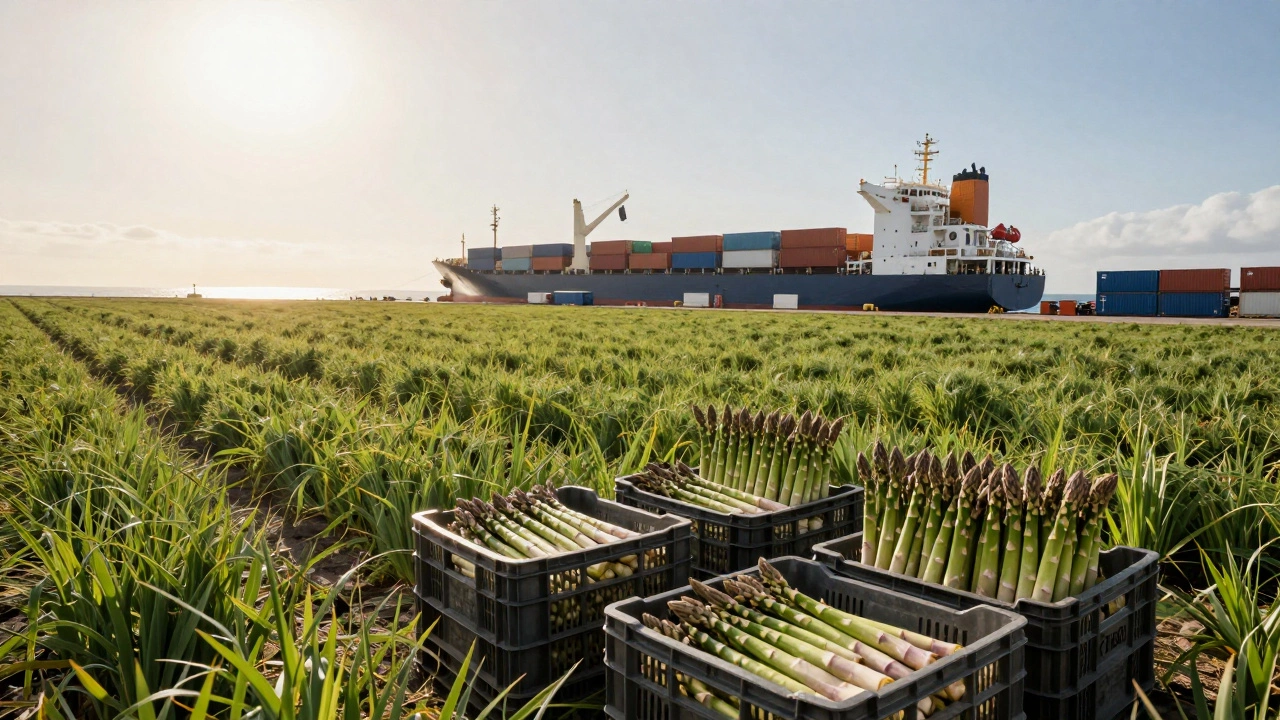
Picture this: you’re at the market in July, looking for something fresh. You grab a bunch of bright green asparagus, a staple of spring dinners. It looks perfect. But if you’re buying it in the UK right now, that spear has likely traveled thousands of miles from Peru or Spain to reach your plate. This isn’t just about taste; it’s about the hidden cost of our food habits.
When we ask "what is the most unsustainable vegetable," we aren’t looking for a single villain. We are looking at a combination of three heavy hitters: excessive water consumption, high carbon emissions from transport (food miles), and soil degradation. While some crops like avocados get all the headlines for their thirst, others like asparagus carry a massive carbon footprint due to how they are grown and shipped. Understanding these factors helps us make smarter choices in our gardens and kitchens.
The Water Thirsties: Why Avocados and Almonds Top the List
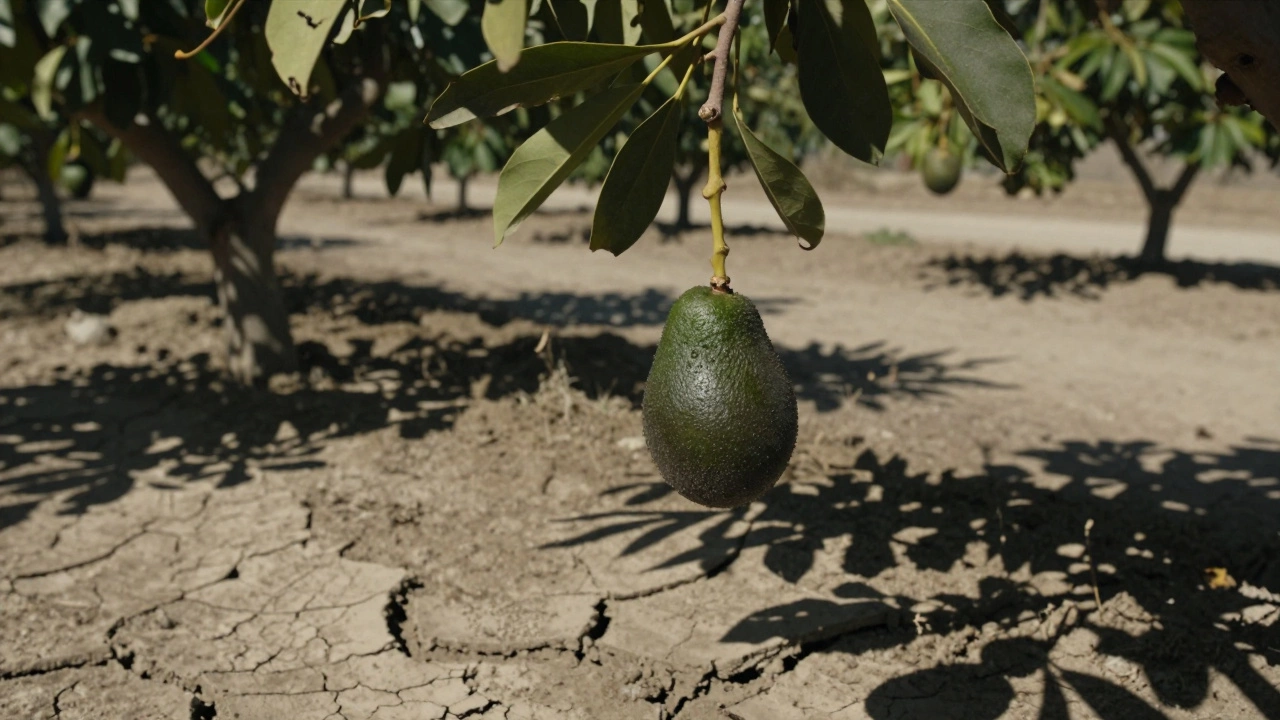
If we measure sustainability by water usage, the answer is clear. The avocado is a fruit often categorized with vegetables in culinary contexts but botanically a berry. Producing just one kilogram of avocados can require up to 1,000 liters of water. In regions like Chile and Mexico, where production has skyrocketed to meet global demand, this has led to severe droughts and conflicts over local water rights. Farmers there have drained rivers, leaving communities without drinking water.
But avocados aren’t alone. Consider the humble almond, which is technically a nut but often grouped with plant-based foods in sustainability discussions. Almonds are incredibly thirsty, requiring significant irrigation in California’s dry climate. One almond can take about one glass of water to produce. When you scale that up to the billions of almonds consumed annually, the strain on aquifers becomes critical. For gardeners, the lesson is simple: avoid growing water-intensive crops in arid climates unless you have access to greywater recycling systems.
| Crop | Water Required (Liters per kg) | Primary Environmental Issue |
|---|---|---|
| Avocado | ~1,000 L | River depletion, deforestation |
| Almond | ~9,600 L | Aquifer drainage, bee colony collapse |
| Asparagus | ~200 L | High nitrogen fertilizer use |
| Lettuce | ~200 L | Pesticide runoff if not managed |
The Carbon Culprit: Asparagus and the Problem of Food Miles
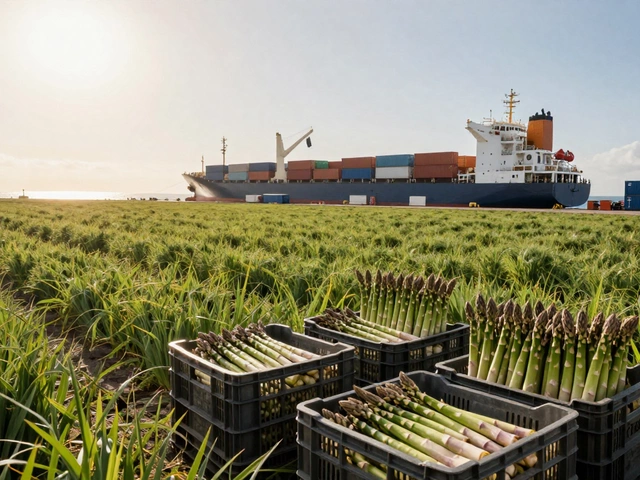
While avocados drink the water, asparagus burns the fuel. Asparagus is a perennial crop that requires specific chilling hours to grow properly. In the UK, asparagus season is short-typically April to June. If you buy it in July, August, or winter, it is almost certainly imported. Shipping refrigerated vegetables across oceans generates significant CO2 emissions. A single crate of Peruvian asparagus can emit more carbon than locally grown seasonal greens.
Moreover, asparagus farming is nutrient-intensive. It demands high levels of nitrogen fertilizers to produce those tender spears. Nitrogen runoff pollutes waterways, causing algal blooms that kill fish and disrupt ecosystems. So, while asparagus doesn’t drink as much water as an avocado, its combined impact of transport emissions and chemical fertilizer use makes it one of the least sustainable options when bought out of season.
Soil Degradation: The Hidden Cost of Monoculture Crops
Sustainability isn’t just about water and air; it’s about the ground beneath our feet. Crops like corn (maize) and soybeans are often grown in vast monocultures. These fields strip the soil of nutrients because the same plant is year after year. To keep yields high, farmers rely heavily on synthetic fertilizers and pesticides, which degrade soil health over time. Healthy soil holds carbon; degraded soil releases it. By supporting diverse crop rotations and cover cropping, we can help restore this balance.
In your own garden, avoid planting the same family of vegetables in the same spot every year. Rotate brassicas (like cabbage) with legumes (like beans) to naturally fix nitrogen in the soil. This reduces the need for chemical inputs and keeps your garden resilient against pests and diseases.
Why Local Seasonal Eating Changes Everything
The most unsustainable vegetable is often the one that shouldn’t be in season. Buying strawberries in December or asparagus in October forces producers to use energy-intensive greenhouses or ship products globally. The solution? Eat with the seasons. In Brighton, for example, July is peak time for courgettes, runner beans, and sweetcorn. These crops thrive in the summer heat with minimal intervention.
Seasonal eating also supports local biodiversity. Native pollinators rely on specific flowering times. When we grow what fits our local climate, we create habitats for bees and butterflies. Try planting a mix of heirloom varieties rather than commercial hybrids. Heirlooms often have deeper flavor and better resistance to local pests, reducing the need for sprays.
Practical Steps for a More Sustainable Kitchen Garden
You don’t need to give up your favorite veggies to reduce your footprint. Small changes add up. Here’s how to shift your habits:
- Grow your own herbs and salad leaves. These are lightweight, easy to grow in pots, and frequently sold in plastic packaging. Growing them on a windowsill cuts waste and transport costs.
- Compost kitchen scraps. Composting returns nutrients to the soil, reducing the need for synthetic fertilizers. It also diverts waste from landfills, where it would generate methane, a potent greenhouse gas.
- Choose imperfect produce. Supermarkets reject many perfectly good vegetables because they look odd. Buying "wonky" veg reduces food waste, which is a major contributor to global emissions.
- Support community-supported agriculture (CSA). Joining a CSA box scheme connects you directly with local farmers. You get seasonal produce, and the farmer gets guaranteed income, encouraging sustainable practices.
Alternatives to High-Impact Vegetables
If you love the taste of unsustainable crops, try swapping them for lower-impact alternatives. Instead of importing asparagus, enjoy leeks or celery root in the winter. They store well and provide similar earthy flavors. Replace avocado toast with hummus or mashed chickpeas. Chickpeas are nitrogen-fixing legumes that actually improve soil health as they grow. They offer healthy fats and protein without the water debt.
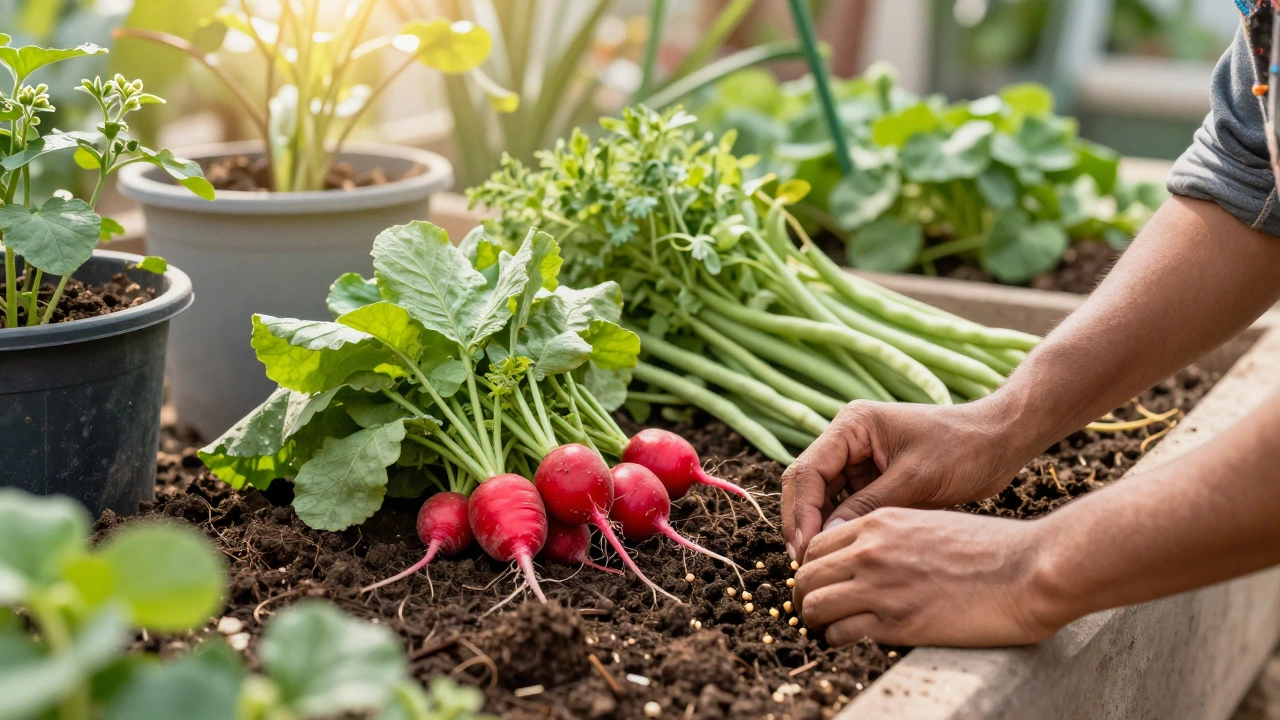
For crunch, try radishes or turnips. They grow quickly, require less water, and can be harvested multiple times from the same patch. Experimenting with lesser-known vegetables like salsify or kohlrabi can also diversify your diet and reduce pressure on mainstream supply chains.
The Role of Packaging in Vegetable Sustainability
We often overlook packaging when discussing sustainability. Many pre-washed salads and baby carrots come wrapped in non-recyclable plastics. This plastic waste ends up in oceans and landfills, taking centuries to decompose. Opt for loose produce whenever possible. Bring your own mesh bags to the market. If you must buy packaged goods, choose brands that use compostable or recyclable materials. Reducing packaging waste is a quick win that complements your choice of sustainable crops.
Conclusion: It’s About Balance, Not Perfection
No single vegetable is entirely evil. Context matters. An avocado grown in a rain-fed orchard in Brazil is far more sustainable than one flown from Chile to London. The goal isn’t to eliminate certain foods but to be mindful of their origins and impacts. By prioritizing local, seasonal, and low-input crops, we can enjoy delicious meals while protecting the planet. Start small. Plant one herb. Buy one local item. Every choice counts.
Is asparagus really bad for the environment?
Asparagus itself isn’t inherently bad, but buying it out of season in temperate climates like the UK means it’s often imported from South America or Southern Europe. This long-distance transport creates high carbon emissions. Additionally, asparagus farming requires significant nitrogen fertilizers, which can pollute waterways. To make it more sustainable, buy asparagus only during its local season (April-June in the UK) or grow your own.
Which vegetable uses the most water?
Avocados are among the most water-intensive crops, requiring up to 1,000 liters of water per kilogram. Almonds are even thirstier but are technically nuts. Other water-heavy crops include lettuce and tomatoes when grown in arid regions without efficient irrigation. Choosing locally grown, rain-fed alternatives can significantly reduce your water footprint.
How do food miles affect vegetable sustainability?
Food miles refer to the distance food travels from farm to plate. Long distances usually mean transportation by truck, ship, or plane, all of which burn fossil fuels and emit CO2. Refrigerated transport adds further energy costs. Buying local, seasonal produce minimizes food miles, reducing your carbon footprint and supporting local economies.
Can I grow sustainable vegetables in a small balcony?
Yes! Balcony gardening is highly sustainable. Focus on compact, high-yield crops like cherry tomatoes, bush beans, radishes, and herbs. Use recycled containers and compost your kitchen scraps to create nutrient-rich soil. Growing your own food eliminates packaging waste and transport emissions, making it one of the most eco-friendly actions you can take.
What are good substitutes for avocados?
If you miss the creamy texture of avocados, try mashed chickpeas, white beans, or even silken tofu. For a savory spread, hummus or olive tapenade works well. These alternatives are generally lower in water usage and carbon footprint, especially if sourced locally or grown at home.