Garden Bed Soil Mix Calculator
Enter your bed dimensions and select a plant type to see the recommended soil mix.
Quick Tips from the Guide:
- Settling: Always order ~10% more soil than calculated to account for compaction after watering.
- Aeration: For permanent beds, sharp grit often outlasts perlite.
- Lasagna Method: If your bed is deeper than 12 inches, consider filling the bottom half with bulky organic matter (logs/straw) to save money.
You just bought that beautiful timber kit or dug out the borders. You’re ready to plant. Then you stare at the empty hole and wonder: what to fill a garden bed with? It’s the question that trips up even seasoned growers because there is no single "right" answer. If you dump cheap topsoil from a builder’s merchant in, your tomatoes will likely sulk. If you use pure compost, they might rot. Getting this mix right determines whether you harvest buckets of veg or fight weeds all summer.
The secret isn't magic; it's physics and biology. Your plants need three things from their medium: air for roots, water retention, and nutrients. No single material does all three perfectly on its own. That’s why we blend them. Whether you are building a raised bed on concrete or improving an existing border, understanding the roles of each ingredient stops you from wasting money on the wrong dirt.
The Golden Ratio: Why 60/30/10 Works
If you want a rule of thumb that works for 90% of vegetable and flower beds, stick to the 60/30/10 method. This isn't arbitrary; it balances drainage with moisture retention. Here is the breakdown:
- 60% Topsoil: This provides the bulk structure and mineral base.
- 30% Compost: This feeds the plants and holds moisture.
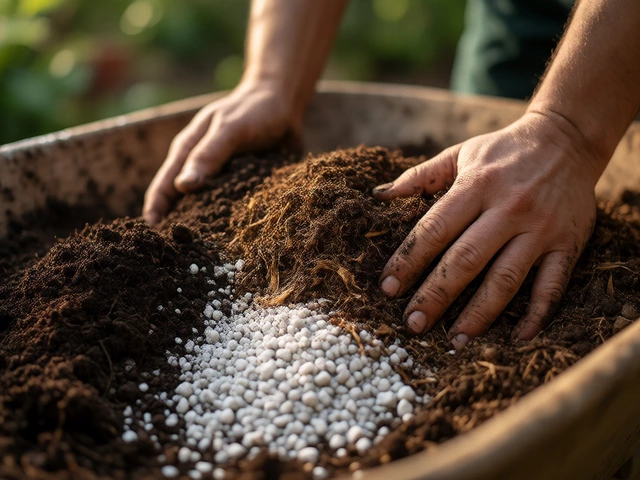
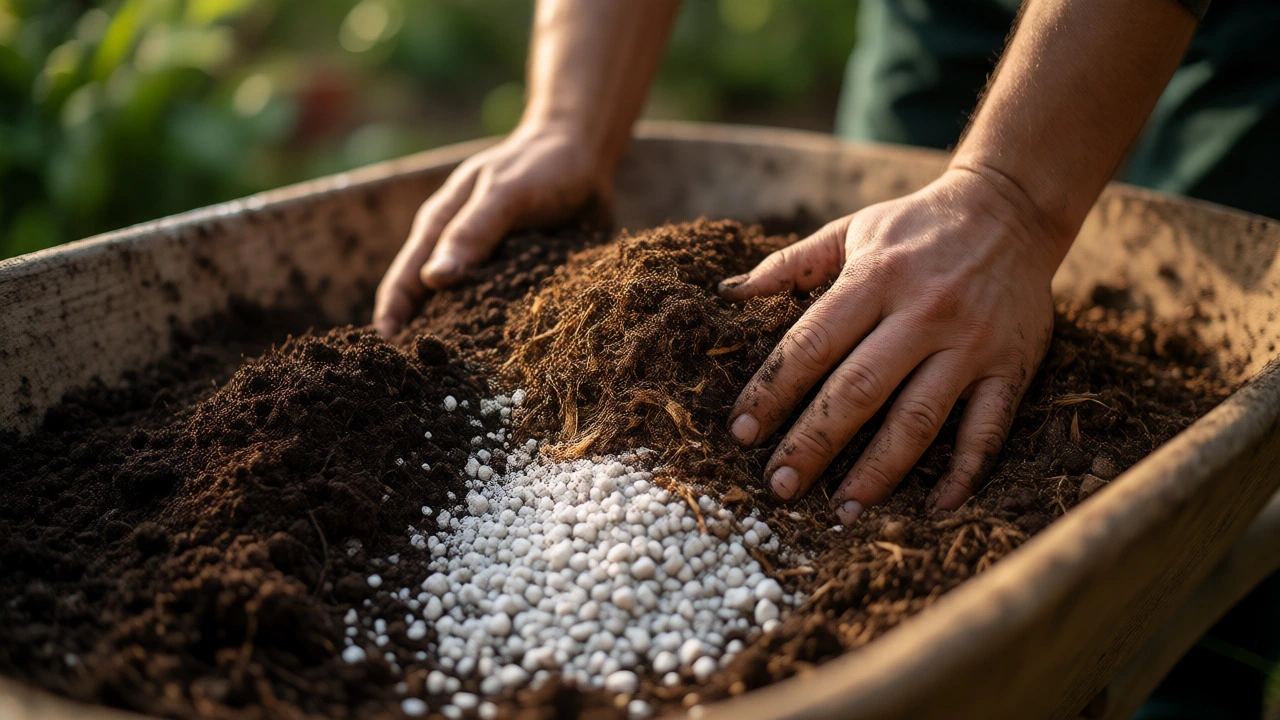
- 10% Aeration Material: Perlite, vermiculite, or coarse sand ensures roots can breathe.
Why not 50/50? Too much compost causes compaction over time, suffocating roots. Too little compost means you’ll be watering daily and feeding weekly. The 60/30/10 split gives you a soil that stays fluffy after rain but doesn’t turn into dust during a heatwave. In Brighton’s damp climate, getting that drainage right via the 10% aeration component is critical to prevent root rot.
Sourcing Your Base: Topsoil vs. Subsoil
When you go to a garden center or local supplier, you’ll see terms like "topsoil," "subsoil," and "screened earth." They sound similar, but they behave very differently. Topsoil is the dark, organic-rich layer taken from the top 6-8 inches of land. It contains seeds, microbes, and decaying matter. It’s alive. Subsoil, however, is the clay-heavy layer beneath. It lacks organic matter and drains poorly unless amended heavily.
| Component | Primary Function | Best For | Caution |
|---|---|---|---|
| Topsoil | Structure & Mineral Base | Raised beds, new borders | Can compact; needs compost |
| Compost | Nutrients & Moisture | All planting areas | Pure compost can cause fungal issues |
| Perlite | Aeration & Drainage | Container plants, heavy clay | Lightweight; blows away easily |
| Coarse Sand | Drainage | Succulents, Mediterranean herbs | Must be sharp/grit, not play sand |
| Leaf Mold | Water Retention | Shady borders, woodland plants | Lacks nutrients; needs fertilizer |
Never buy subsoil for a raised bed unless you plan to add massive amounts of organic matter. It’s essentially dirt without life. If you’re on a budget, ask suppliers if they sell "blended topsoil." Often, they’ve already mixed in some compost, which saves you a step. But always check the label. Some "cheap" topsoils are actually screened subsoil with a sprinkle of dye.
The Powerhouse: Choosing the Right Compost
Compost is where the magic happens. It’s the engine of your garden. But not all composts are created equal. When filling a new bed, you have two main options: homemade or bagged.
Homemade compost is free and tailored to your waste stream, but it varies wildly in quality. One batch might be rich in nitrogen (from grass clippings), another woody and slow-decaying (from autumn leaves). If you use homemade compost, ensure it’s fully decomposed. It should smell like earth, not vinegar or ammonia. If it smells sour, it’s anaerobic and will harm young roots.
Bagged compost offers consistency. Look for peat-free options. Peat extraction damages carbon sinks, and peat dries out quickly once it gets wet. Instead, look for coir-based or wood-fiber composts. These hold water better and are more sustainable. For vegetables, a multi-purpose compost is fine, but adding some well-rotted manure boosts potassium, which helps fruit set. Just make sure the manure is aged. Fresh manure burns roots and brings weed seeds.
Aeration Agents: Perlite, Vermiculite, and Grit
This is the step most beginners skip, leading to waterlogged beds. Aeration agents create pockets of air between soil particles. Without them, fine topsoil settles into a solid block, excluding oxygen. Roots need oxygen to respire. No oxygen, no growth.
Perlite is white, lightweight volcanic glass. It’s excellent for drainage and keeping soil light. It doesn’t hold nutrients, so it’s purely structural. Use it if your topsoil feels dense or sticky when wet.
Vermiculite is golden-brown and flaky. Unlike perlite, it holds water and nutrients. It’s ideal for seed starting or plants that love moisture, like ferns or lettuce. However, it breaks down faster than perlite. Over time, vermiculite compresses, reducing aeration.
In the UK, many gardeners use Sharp Grit or horticultural grit instead of perlite. It’s heavier, won’t float to the surface when watering, and lasts forever. For permanent raised beds, grit is often the superior choice because it maintains structure for years.
Filling Raised Beds: The Lasagna Method
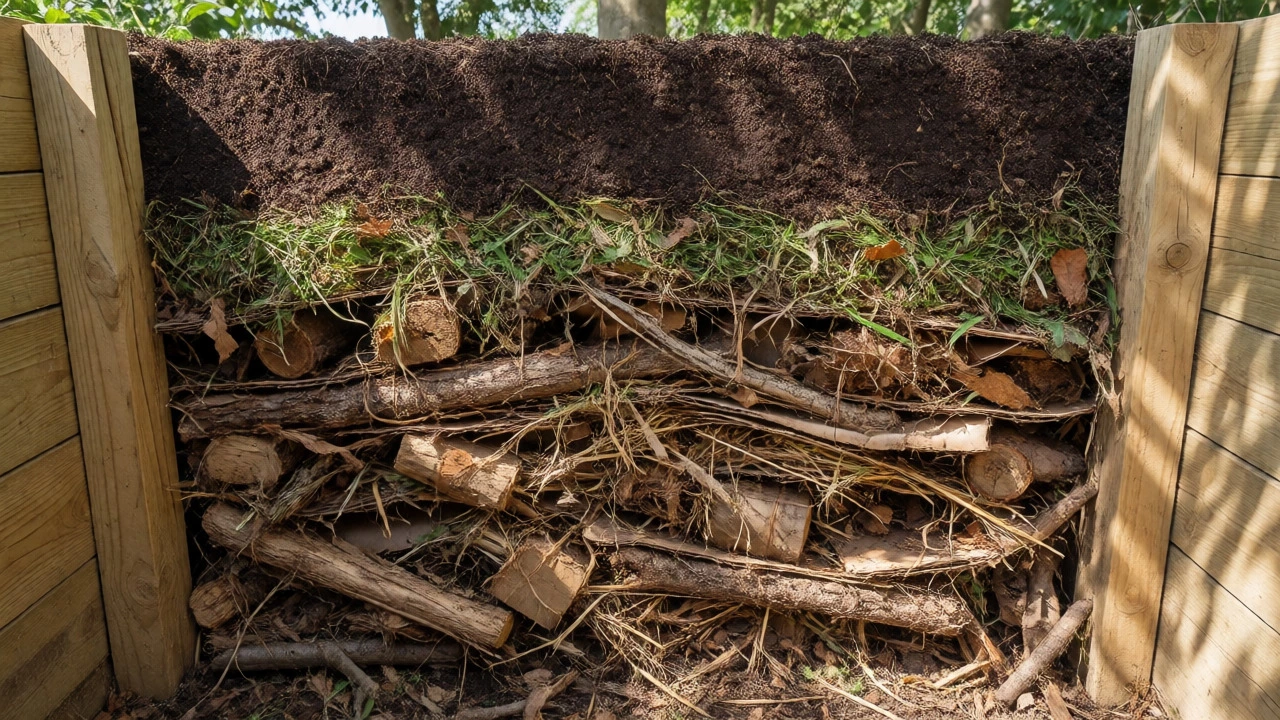
If you’re building a deep raised bed (over 12 inches), filling it entirely with premium compost and topsoil gets expensive fast. Enter the lasagna method. Also known as Hugelkultur-inspired layering, this technique uses bulky organic materials at the bottom to save money and improve long-term fertility.
- Bottom Layer (Bulk): Fill the bottom half with cardboard, logs, branches, or straw. This displaces volume and slowly decomposes, releasing CO2 and heat.
- Middle Layer (Green/Brown): Add a mix of fresh grass clippings, kitchen scraps, and dry leaves. This heats up as it rots.
- Top Layer (Planting Medium): Cover with 8-12 inches of your 60/30/10 soil mix. This is where roots grow initially.
The decomposition at the bottom creates a sponge effect, retaining moisture during dry spells. As the lower layers break down over 2-3 years, the bed settles. You’ll need to top up the soil level annually, but the underlying structure becomes incredibly rich. This method is perfect for established gardeners who have access to yard waste.
Specific Needs: Adjusting for Plant Types
One size doesn’t fit all. Your soil mix should reflect what you’re growing.
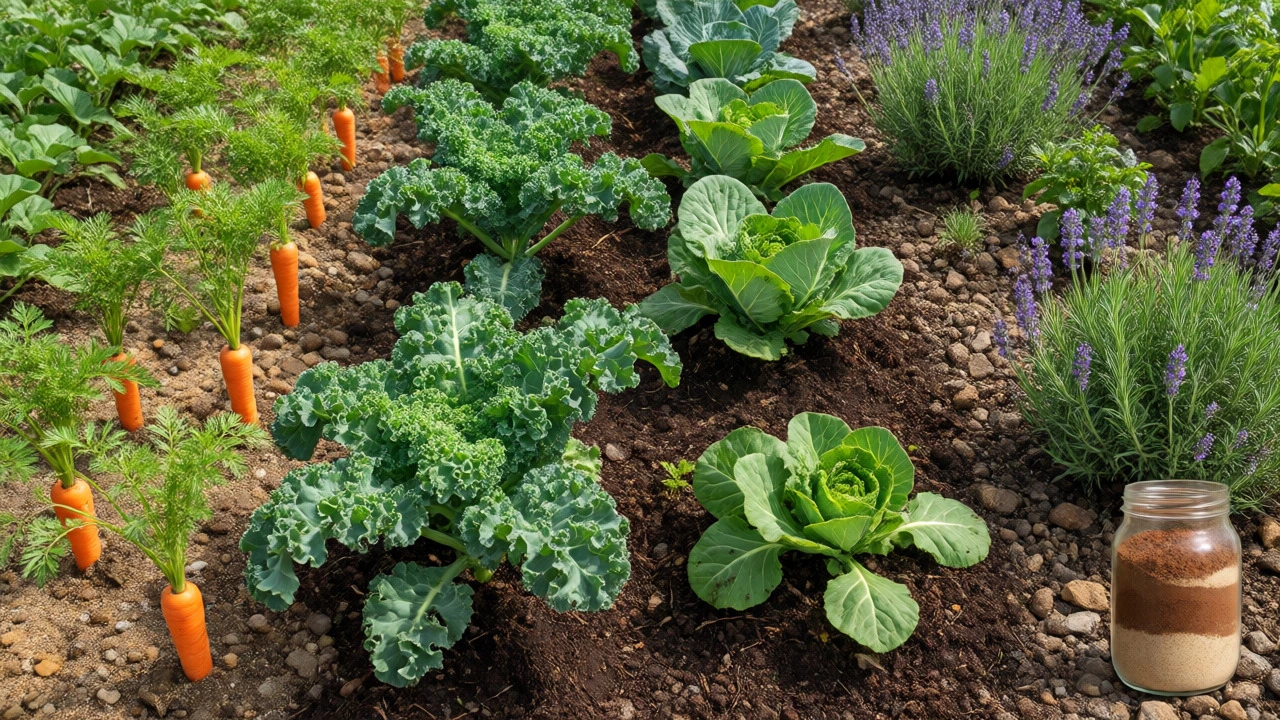
Root Vegetables (Carrots, Parsnips): They hate stones and heavy clay. Reduce the compost ratio slightly (to 20%) and increase the gritty/sandy component (to 20%). This prevents forked roots and allows taproots to penetrate deeply.
Brassicas (Cabbage, Kale): These are hungry feeders. Increase compost to 40% and add lime if your soil pH is below 6.5. Brassicas prefer neutral to slightly alkaline conditions.
Mediterranean Herbs (Lavender, Rosemary): They despise wet feet. Use 50% topsoil, 20% compost, and 30% sharp grit. Ensure your raised bed has excellent drainage holes or sits on gravel.
Acid-Loving Plants (Blueberries, Azaleas): Standard topsoil is often too alkaline in chalky areas like parts of Sussex. Mix ericaceous compost (peat-free) with your base soil. Avoid using municipal compost if it’s high in calcium carbonate.
Common Mistakes to Avoid
I’ve seen these errors repeat year after year. First, don’t use "builder’s rubble" directly under plants without a membrane. While good for drainage, cement dust can raise pH drastically, locking out nutrients. Lay a landscape fabric first.
Second, never fill a new bed and plant immediately if you used fresh manure or uncomposted leaf litter. Wait 4-6 weeks. Microbial activity spikes during decomposition, stealing nitrogen from plants and generating heat that cooks roots. Patience pays off.
Third, ignore the temptation to use only potting compost. Potting compost is designed for containers where drainage is controlled by the pot holes. In open ground or raised beds, it’s too loose and dries out too fast. Always blend it with mineral soil.
Testing Your Mix Before You Buy
Before ordering tons of soil, do a jar test. Take a sample of your existing native soil (if amending) or the topsoil you intend to buy. Put it in a clear jar with water and shake vigorously. Let it settle for 24 hours. You’ll see layers: sand at the bottom, silt in the middle, clay on top. Ideal loam has roughly equal parts of all three. If your jar shows mostly clay, you need more grit and organic matter. If it’s mostly sand, you need more compost to hold water. This simple test saves hundreds of pounds in wasted amendments.
Can I use old potting soil to fill a new bed?
Yes, but only as part of a mix. Old potting soil is often depleted of nutrients and may contain salt buildup or pathogens. Sterilize it by baking it in the oven at 180°C for 30 minutes, then mix it with fresh compost and topsoil. Do not use it alone, as it lacks the structural integrity needed for in-ground or raised bed cultivation.
How much soil do I need for a standard raised bed?
Calculate the volume by multiplying length x width x depth. For a typical 4ft x 8ft x 1ft deep bed, that’s 32 cubic feet. Convert to liters (multiply by 28.3) for easier shopping: approx 900 liters. Remember that soil settles about 10-15% after watering, so order 10% extra to account for compaction.
Is manure better than compost for filling beds?
Neither is strictly "better"; they serve different roles. Manure is higher in nitrogen and phosphorus, making it great for hungry crops like corn and brassicas. Compost improves soil structure and microbial diversity more effectively. Ideally, use both: 70% compost and 30% well-rotted manure within your organic portion of the mix.
Do I need to line my raised bed?
If placing on grass or soil, lining with cardboard or landscape fabric suppresses weeds while allowing drainage. If placing on concrete or patio, you must use a geotextile membrane to prevent soil loss through gaps. Never use plastic sheeting, as it blocks drainage and causes waterlogging.
How often should I refresh the soil in a raised bed?
Raised beds deplete faster than open ground due to intensive cropping. Top-dress with 1-2 inches of compost every spring. Every 3-5 years, consider replacing the top 4 inches of soil entirely or rotating crops rigorously to prevent nutrient imbalance and disease buildup.