Tomato Yield Calculator
Calculate Your Tomato Harvest
Based on Indian growing conditions and variety characteristics from the article.
Your Expected Harvest
Total Yield
0 kg
Based on 5-10 kg per plant
Harvest Time
3-4 months
From planting to first harvest
The tomato queen India debate has long been a topic of discussion among gardeners and chefs alike. When you think of Indian cuisine, what’s the first vegetable that comes to mind? While many contenders exist, one vegetable consistently holds the throne in kitchens across the country. Let’s unpack why tomatoes aren’t just popular-they’re indispensable.
Why Tomatoes Rule Indian Kitchens
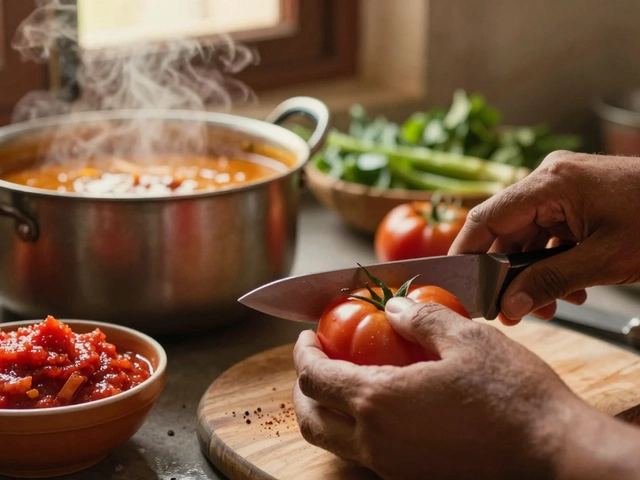
From the tangy chutneys of South India to the rich curries of North India, tomatoes form the backbone of countless dishes. Unlike potatoes, which serve as a staple side dish, or onions, which provide base flavor, tomatoes actively shape the taste and texture of Indian meals. They’re the secret ingredient in sambar, rasam, and even simple tomato rice. Without tomatoes, Indian cuisine would lose its signature depth and acidity.
Consider this: a basic Indian curry starts with onions, garlic, and ginger, but it’s the tomatoes that transform it into something uniquely Indian. Their natural acidity balances spices, while their flesh thickens gravies. Even in regions where other vegetables dominate-like Kerala’s coconut-based dishes or Bengal’s mustard-based recipes-tomatoes still find their way into everyday cooking.
Production Powerhouse
India produces over 20 million tonnes of tomatoes annually, making it the second-largest producer globally after China. This massive output fuels both household kitchens and large-scale food processing industries. In contrast, potatoes top production at 50 million tonnes, but they’re primarily used as a standalone vegetable or in fried snacks. Tomatoes, however, are the workhorse of Indian cooking, appearing in over 80% of regional dishes.
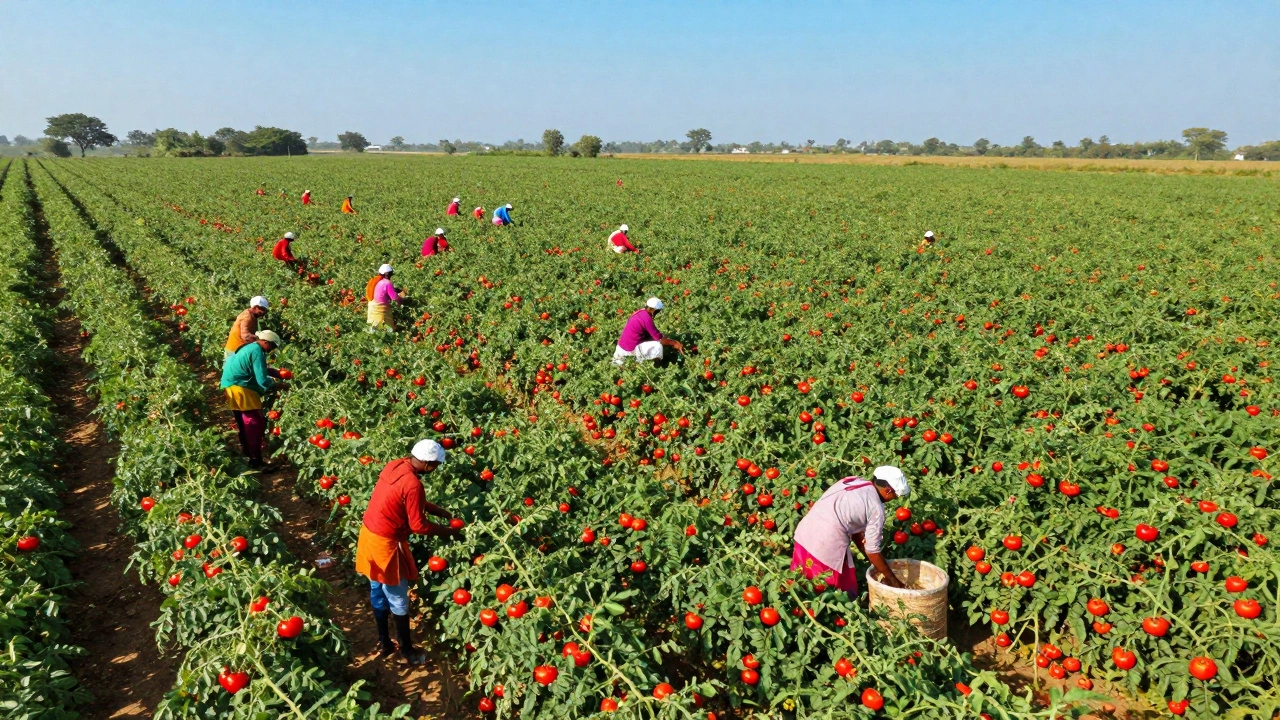
States like Andhra Pradesh, Karnataka, and Maharashtra lead tomato farming, with farmers harvesting multiple crops yearly due to favorable climates. The crop’s resilience-growing in diverse conditions from Punjab’s cold winters to Tamil Nadu’s humid summers-makes it a reliable choice for farmers and cooks alike.
Nutritional Powerhouse
Beyond flavor, tomatoes pack a nutritional punch. Each 100 grams contains 23% of daily vitamin C needs and is rich in lycopene-a powerful antioxidant linked to heart health. This combination of taste and health benefits cements their queen status. Lycopene levels in cooked tomatoes actually increase, making them even more beneficial in Indian curries and stews.
Unlike processed foods high in sugar or salt, tomatoes offer natural sweetness and umami without additives. For families in rural India, where fresh produce is critical for nutrition, tomatoes provide affordable vitamins year-round. This is why home gardeners prioritize them over other vegetables.
Growing Tomatoes at Home
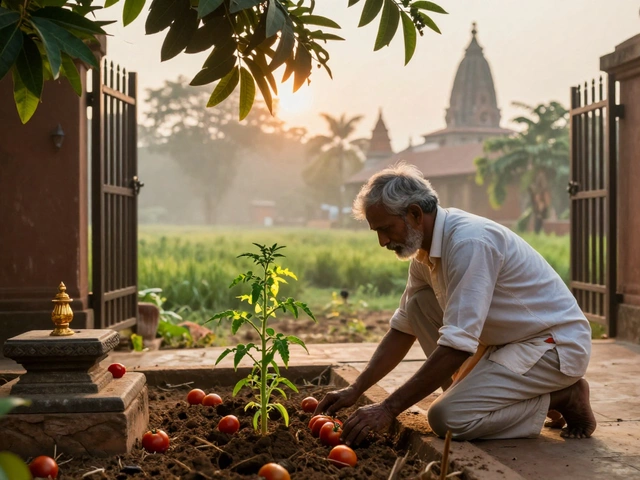
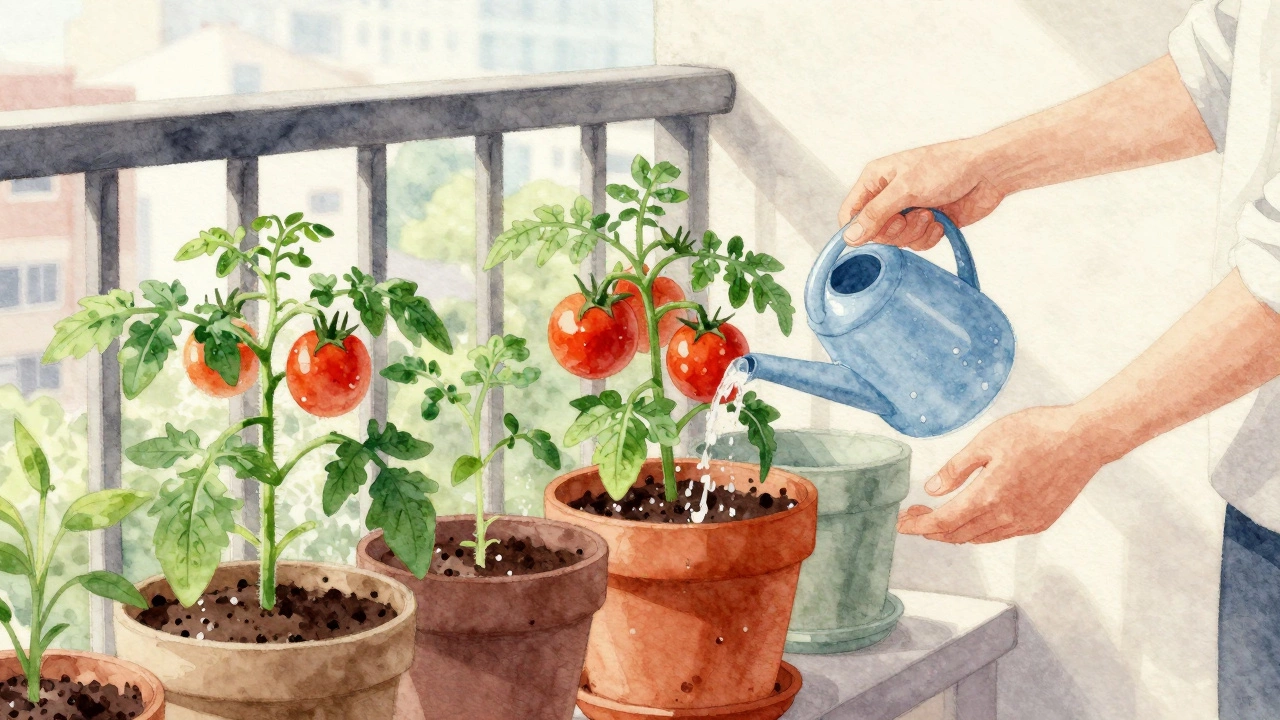
For home gardeners, growing tomatoes in India is surprisingly simple. They thrive in warm climates with well-drained soil and 6-8 hours of sunlight. Varieties like Pusa Ruby and Arka Ahuti are bred specifically for Indian conditions, resisting pests and humidity. A single plant can yield 5-10 kg of fruit in a season, making it one of the most productive vegetables for small spaces.
Start with seedlings from local nurseries or grow from seeds. Plant in raised beds or pots with compost-rich soil. Water early in the morning to avoid fungal diseases, and use neem oil spray for pest control. In urban settings, balcony gardens can easily support tomato plants with just 15 liters of soil per plant. No special equipment is needed-just consistent care.
Top Contenders: Why Others Fall Short
While other vegetables are important, none match tomatoes’ universal role. Potatoes dominate production volume but serve as a side dish or snack base. Onions are essential for flavor foundations but rarely the star. Brinjal (eggplant) is beloved in regional dishes like Baingan Bharta, yet lacks the versatility of tomatoes across all Indian cuisines.
Consider a comparison table:
| Vegetable | Production (tonnes) | Primary Use | Key Dishes | Growth Requirements |
|---|---|---|---|---|
| Tomato | 20 million | Sauce base, chutney, curries | Sambar, Rasam, Chutney | Warm climate, well-drained soil |
| Potato | 50 million | Staple side dish | Aloo Gobi, Bhaji | Cool climate, well-drained soil |
| Onion | 20 million | Base flavor for curries | Tarka, Masala | Moderate climate, well-drained soil |
| Brinjal | 10 million | Grilled, curries | Baingan Bharta | Warm climate, organic soil |
Notice how tomatoes appear in more dish types than any other vegetable. Potatoes and onions are foundational but limited to specific roles. Brinjal excels in regional specialties but doesn’t cross regional boundaries like tomatoes do. This versatility is why tomatoes hold the crown.
Debunking Myths
Some argue brinjal deserves the throne, but while it’s a regional favorite, tomatoes are found in virtually every Indian household’s daily cooking. From breakfast parathas with tomato chutney to dinner curries, they’re the consistent thread. Others claim potatoes are more important due to higher production, but production volume doesn’t equal culinary relevance. Potatoes are eaten boiled or fried; tomatoes are cooked into sauces, salsas, and spice blends.
Another myth: tomatoes are too acidic for Indian palates. In reality, their acidity balances spices like cumin and turmeric, creating depth. Regional varieties like the small, sweet San Marzano tomatoes from Maharashtra prove tomatoes adapt perfectly to local tastes.
Conclusion
So while India’s vegetable kingdom has many contenders, tomatoes reign supreme-not by decree, but by their unmatched versatility and indispensable role in the country’s culinary identity. Whether you’re a home gardener or a chef, mastering tomato cultivation and usage is key to understanding Indian food culture. Grow them, cook with them, and you’ll see why they’re truly the queen.
Is tomato really the queen of Indian vegetables?
Yes, tomato is widely considered the queen due to its universal presence in Indian cooking. Unlike other vegetables that serve specific roles, tomatoes are used in almost every regional cuisine-from chutneys and sambar to curries and salads. Their versatility makes them indispensable.
Can I grow tomatoes at home in India?
Absolutely. Tomatoes thrive in Indian climates with minimal care. Start with seedlings from local nurseries, plant in well-drained soil with 6-8 hours of sunlight, and water early in the morning. Varieties like Pusa Ruby are bred for Indian conditions and resist common pests. A single plant can yield 5-10 kg of fruit per season.
Why not potatoes or onions?
Potatoes and onions are important but serve narrower roles. Potatoes are primarily a side dish or snack base, while onions are used for flavor foundations. Tomatoes, however, actively shape the taste and texture of dishes across all regions. They’re the secret ingredient in sambar, chutney, and even breakfast dishes-something no other vegetable does consistently.
What’s the best tomato variety for Indian gardens?
Pusa Ruby and Arka Ahuti are top choices. Pusa Ruby is disease-resistant and ideal for hot climates, while Arka Ahuti thrives in humid conditions like coastal areas. Both produce high yields with minimal maintenance, making them perfect for home gardeners.
How do tomatoes compare nutritionally to other vegetables?
Tomatoes are rich in lycopene, which increases when cooked, and provide 23% of daily vitamin C needs per 100g. While spinach has more iron and carrots have more vitamin A, tomatoes offer a unique balance of acidity, sweetness, and antioxidants that support heart health. This makes them irreplaceable in Indian diets.