Find Your Perfect Indian Vegetable
Instructions: Select one option for each question below to find your ideal crop.
Beginner
I want something hardy and easy.Experienced
I can handle moderate care needs.Health & Medicine
Delicious Cooking
Daily Staple Food
Small / Balcony
Limited container space.Large Garden
Plenty of room for vines or bushes.Your Perfect Match:
Why this fits you:
Have you ever stopped to think about what makes a country’s food identity so distinct? In France, it might be the baguette or cheese. In Italy, perhaps pasta. But when we talk about India, one question keeps coming up: who is the national vegetable of India? It sounds like a simple trivia question, but the answer reveals a lot about culture, history, and agriculture. The short answer? There isn’t just one. India doesn’t have an officially declared single national vegetable by the government. Instead, several contenders hold this title culturally, depending on who you ask and where you are in the country.
This lack of a single official designation actually makes more sense when you look at India’s incredible diversity. From the snowy Himalayas to the tropical south, the climate varies wildly. What grows easily in Punjab won’t survive in Kerala without specific care. So, instead of picking one winner, let’s look at the top contenders that most Indians would argue for. We’ll also explore why these vegetables matter and how you can grow them yourself, whether you’re in a backyard in Mumbai or a balcony in London.
The Top Contenders for National Vegetable Status
If you walk into any Indian kitchen, you’ll find certain vegetables that appear in almost every meal. These aren’t just ingredients; they are staples that define regional cuisines. Let’s break down the main candidates.
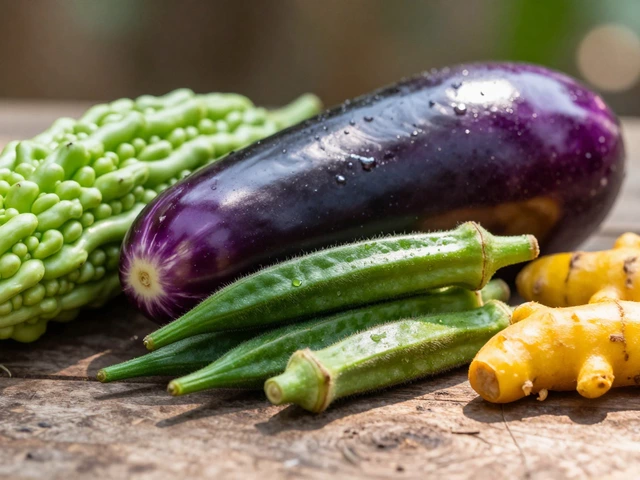
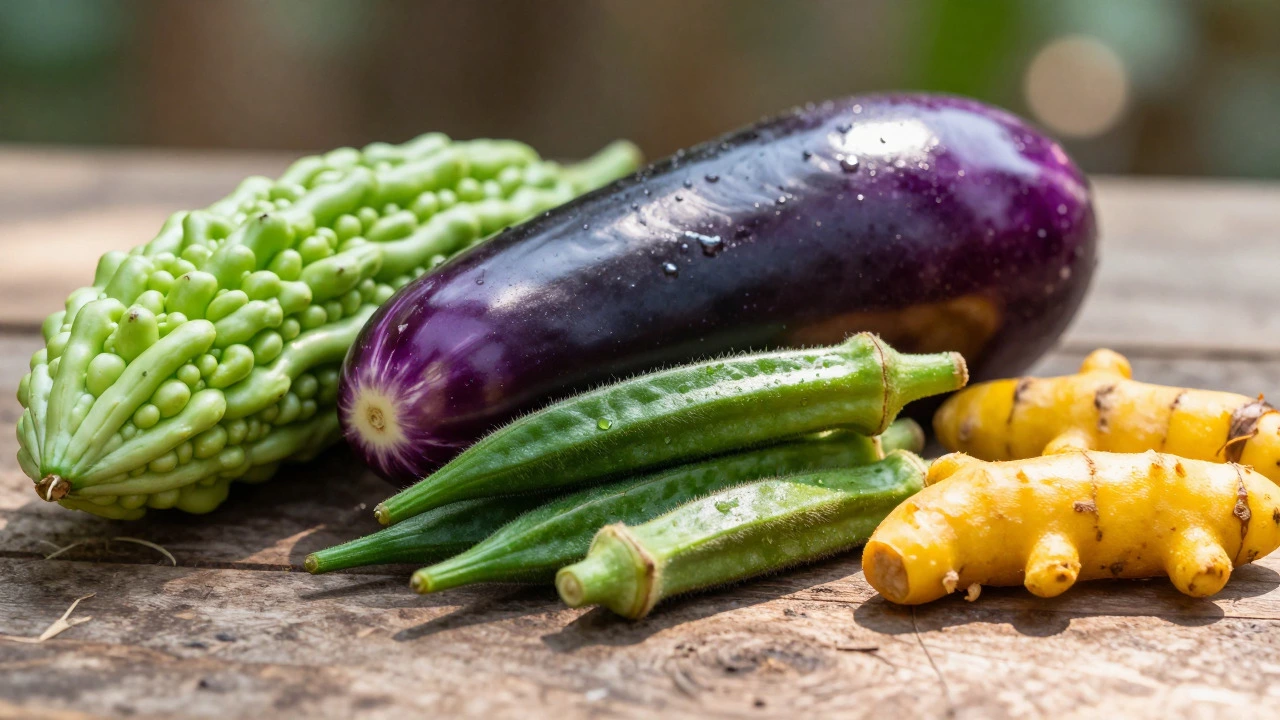
| Vegetable | Common Name | Why It’s a Contender | Growth Difficulty |
|---|---|---|---|
| Bitter Gourd | Karela | Widely grown across all states; used in traditional medicine (Ayurveda); extremely hardy. | Easy |
| Eggplant | Baingan | Culinary versatility; central to iconic dishes like Baingan Bharta; grows in diverse climates. | Moderate |
| Okra | Bhindi | Essential in curries and stir-fries; drought-resistant; popular in both North and South India. | Easy |
| Turmeric | Haldi | Technically a rhizome/spice, but treated as a vegetable in many contexts; cultural and medicinal significance. | Moderate |
Bitter Gourd (Karela): The Hardy Survivor
Many people argue that Bitter Gourd, known locally as Karela, should be the national vegetable. Why? Because it grows everywhere. You can find it thriving in small pots on balconies in Delhi and in large fields in Tamil Nadu. It is incredibly resilient against pests and diseases, which makes it a favorite among home gardeners and commercial farmers alike.
Culturally, Karela holds a special place. It is often associated with health and detoxification. In Ayurvedic medicine, it is praised for its ability to balance blood sugar levels. This dual role as a common food item and a medicinal herb gives it strong claim to the title. If resilience and widespread utility are the criteria, Karela wins hands down.
Eggplant (Baingan): The Culinary Star
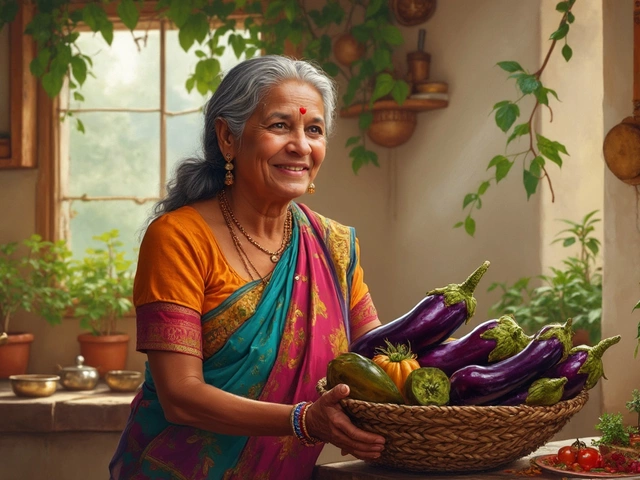
Then there is Eggplant, or Baingan. While it may not be as tough as Bitter Gourd, it is arguably the most loved vegetable in Indian cuisine. Think about the famous dish Baingan Bharta-roasted eggplant mashed with onions, tomatoes, and spices. It is a comfort food for millions. Eggplant comes in various shapes and colors across India, from the long purple variety in the north to the round white ones in the south.
Eggplant’s versatility in cooking makes it a strong contender. It absorbs flavors beautifully, making it a perfect base for rich, spicy curries. For many, a meal isn’t complete without some form of eggplant. Its presence in almost every regional cuisine, from Bengali Shorshe Ilish (mustard fish with eggplant) to Punjabi curries, cements its status as a culinary icon.
Okra (Bhindi): The Everyday Essential
You cannot talk about Indian vegetables without mentioning Okra, or Bhindi. It is perhaps the most commonly consumed vegetable in daily household cooking. Okra is easy to grow, requires minimal water once established, and produces a steady harvest throughout the summer months. This reliability makes it indispensable for families looking to maintain a continuous supply of fresh produce.
In terms of taste, Okra has a unique texture that thickens curries naturally, acting as a binder without the need for heavy creams or oils. It is featured in dishes like Bhindi Masala and fried snacks like Pakoras. Its simplicity and ubiquity make it a silent champion of Indian kitchens. If popularity and frequency of use were the only metrics, Okra would likely take the crown.
Turmeric (Haldi): The Medicinal Powerhouse
While technically classified as a spice or rhizome, Turmeric, or Haldi, is often grouped with vegetables in gardening contexts because it is grown in the same way as ginger or garlic. Turmeric is deeply embedded in Indian culture, not just for its flavor but for its symbolic and medicinal value. It is used in religious ceremonies, weddings, and daily cooking.
The health benefits of Turmeric are well-documented, thanks to its active compound, curcumin. It has anti-inflammatory and antioxidant properties that have been studied extensively. In many households, a paste of turmeric, honey, and milk is a go-to remedy for colds and infections. This deep cultural and health connection gives Turmeric a unique position that transcends mere nutrition.
Why India Has No Official National Vegetable
You might wonder why the Government of India hasn’t picked one. The reason lies in the country’s sheer size and diversity. India is home to over 1.4 billion people speaking hundreds of languages and following dozens of distinct culinary traditions. A vegetable that is sacred in one state might be unknown in another.
For example, while Cauliflower (Gobi) is a staple in North India, it is less prominent in the coastal regions where leafy greens and sea-based proteins dominate. Similarly, Jackfruit is considered a national fruit in some contexts due to its abundance and versatility, but it is botanically a fruit, not a vegetable. Declaring one vegetable as "national" could inadvertently marginalize the agricultural practices and dietary habits of other regions.
Instead of a single national vegetable, India celebrates a "National Food Policy" that supports the cultivation of diverse crops. This approach ensures food security and respects regional preferences. It also encourages biodiversity, which is crucial for sustainable agriculture. By not locking into one crop, India allows farmers to adapt to changing climate conditions and market demands.
Growing Indian Vegetables at Home
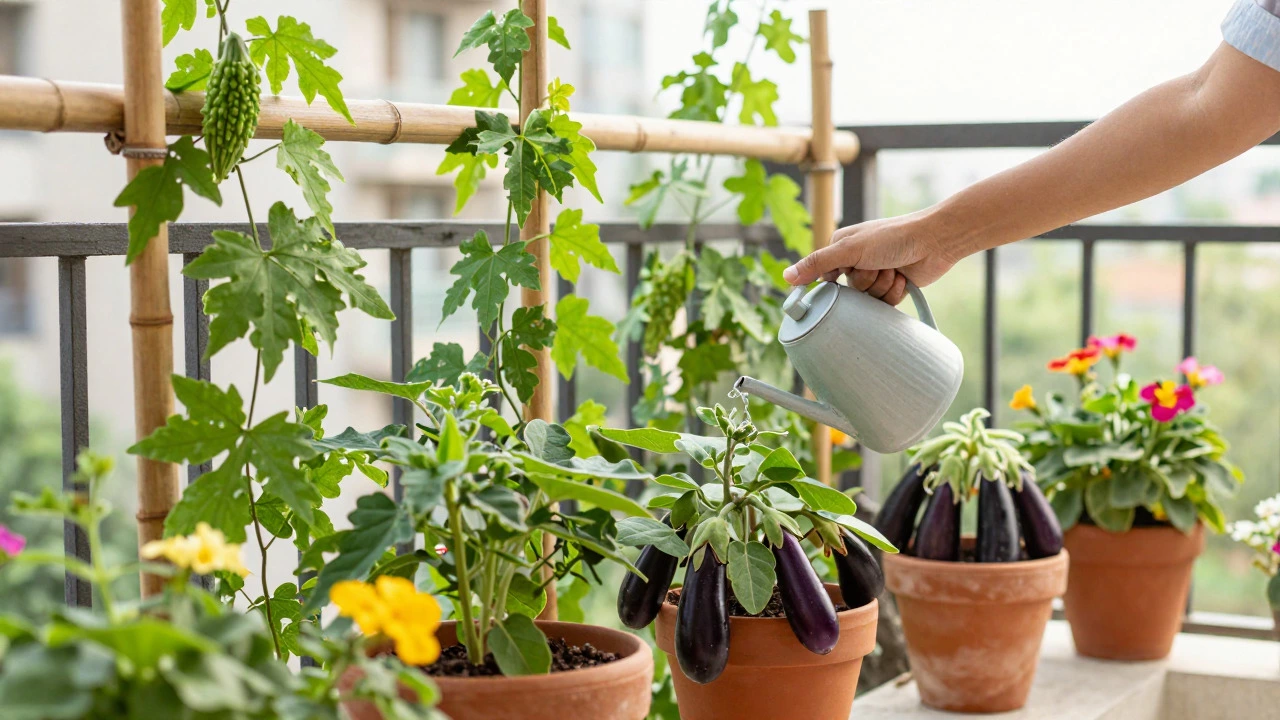
Whether you live in New Delhi or Brighton, growing these vegetables is easier than you might think. Many of these plants are adaptable and can thrive in containers, making them perfect for urban gardening. Here’s how you can start your own mini-Indian garden.
Choosing the Right Container
For climbing plants like Bitter Gourd and Okra, you need tall containers with support structures. A pot that is at least 12 inches deep and wide will provide enough room for root development. Use trellises or bamboo sticks to guide the vines upward. This saves space and improves air circulation, reducing the risk of fungal diseases.
For bushier plants like Eggplant, wider pots are better. Aim for a container diameter of 10-12 inches. Ensure the pot has drainage holes to prevent waterlogging, which can lead to root rot. Eggplants prefer warm soil, so placing the pot in a sunny spot is essential.
Soil Preparation
Indian vegetables generally prefer well-draining, loamy soil. You can create a mix using garden soil, compost, and sand in equal parts. Adding organic matter like cow manure or vermicompost boosts nutrient content. For Turmeric, which needs moist but not soggy soil, add extra coconut coir to retain moisture without compacting the earth.
pH levels matter too. Most Indian vegetables thrive in slightly acidic to neutral soil (pH 6.0-7.0). If your soil is too alkaline, adding sulfur can help lower the pH. Regularly testing your soil helps maintain optimal conditions for growth.
Watering and Care
Consistency is key. Water your plants early in the morning to allow leaves to dry during the day, preventing mildew. Okra and Bitter Gourd are relatively drought-tolerant once established, but they still need regular watering during flowering and fruiting stages. Eggplants require more frequent watering, especially in hot weather.
Fertilize every two weeks with a balanced liquid fertilizer. Avoid over-fertilizing, as this can lead to excessive leaf growth at the expense of fruit production. Hand-pollination can help if you notice flowers dropping without setting fruit. Gently shake the plant or use a small brush to transfer pollen between flowers.
Pest Management
Aphids and whiteflies are common pests for these vegetables. Neem oil spray is an effective, natural solution. Mix neem oil with water and a few drops of dish soap, then spray on affected leaves. Repeat weekly until the infestation clears. For fungal issues, ensure good airflow around plants and remove any dead leaves promptly.
Cultural Significance Beyond the Plate
Vegetables in India are more than just food. They play roles in festivals, rituals, and social gatherings. During Navratri, fasting foods often include specific vegetables like potatoes and sweet potatoes, while others are avoided. In weddings, certain vegetables are included in feasts to symbolize prosperity and fertility.
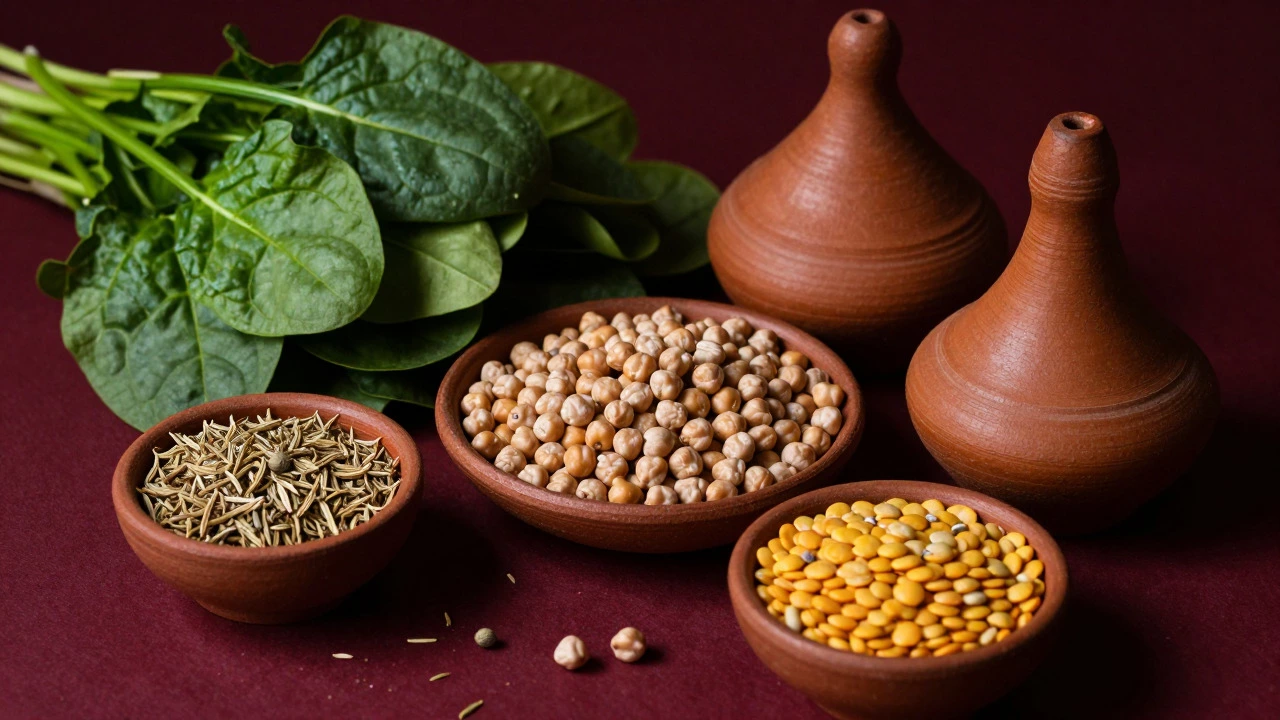
Leafy greens like Spinach (Palak) and Amaranth (Chaulai) are celebrated for their nutritional value and are often recommended for children and pregnant women. Legumes like Chickpeas (Chana) and Lentils (Dal) are protein staples that complement vegetable dishes. This holistic view of food emphasizes balance and wellness, reflecting ancient wisdom that modern science is now validating.
Understanding the cultural context helps appreciate why no single vegetable can represent the entire nation. Each crop tells a story of region, season, and tradition. By growing and eating these vegetables, you participate in a rich heritage that spans centuries.
Conclusion: Embracing Diversity
So, who is the national vegetable of India? The answer is everyone and no one. Bitter Gourd, Eggplant, Okra, and Turmeric each bring something unique to the table. Their collective importance outweighs any individual claim. As gardeners, we have the privilege of cultivating these diverse crops and experiencing their flavors firsthand.
Whether you are drawn to the medicinal benefits of Karela, the culinary delight of Baingan, the everyday reliability of Bhindi, or the spiritual significance of Haldi, there is a place for all of them in your garden. Start small, experiment with different varieties, and enjoy the journey of growing your own food. After all, the true spirit of Indian gardening lies in its diversity and resilience.
Is there an officially declared national vegetable of India?
No, the Government of India has not officially declared a single national vegetable. However, Bitter Gourd (Karela), Eggplant (Baingan), and Okra (Bhindi) are widely considered top contenders due to their cultural and culinary significance.
Which vegetable is easiest to grow for beginners in India?
Okra (Bhindi) and Bitter Gourd (Karela) are excellent choices for beginners. They are hardy, pest-resistant, and require minimal maintenance. Both can be grown in containers and thrive in warm climates.
Can I grow Indian vegetables in cooler climates like the UK?
Yes, many Indian vegetables can be grown in cooler climates if started indoors or in greenhouses. Eggplant and Okra benefit from extended growing seasons provided by protective structures. Choose heat-loving varieties and ensure adequate sunlight.
What is the best time to plant Bitter Gourd in India?
The best time to plant Bitter Gourd is at the beginning of the monsoon season, typically June-July in most parts of India. In southern regions, it can be planted year-round with proper irrigation.
Why is Turmeric considered important in Indian culture?
Turmeric is valued for its medicinal properties, particularly its anti-inflammatory effects. It is also used in religious rituals and weddings as a symbol of purity and prosperity. Its versatility in cooking and healing makes it culturally significant.