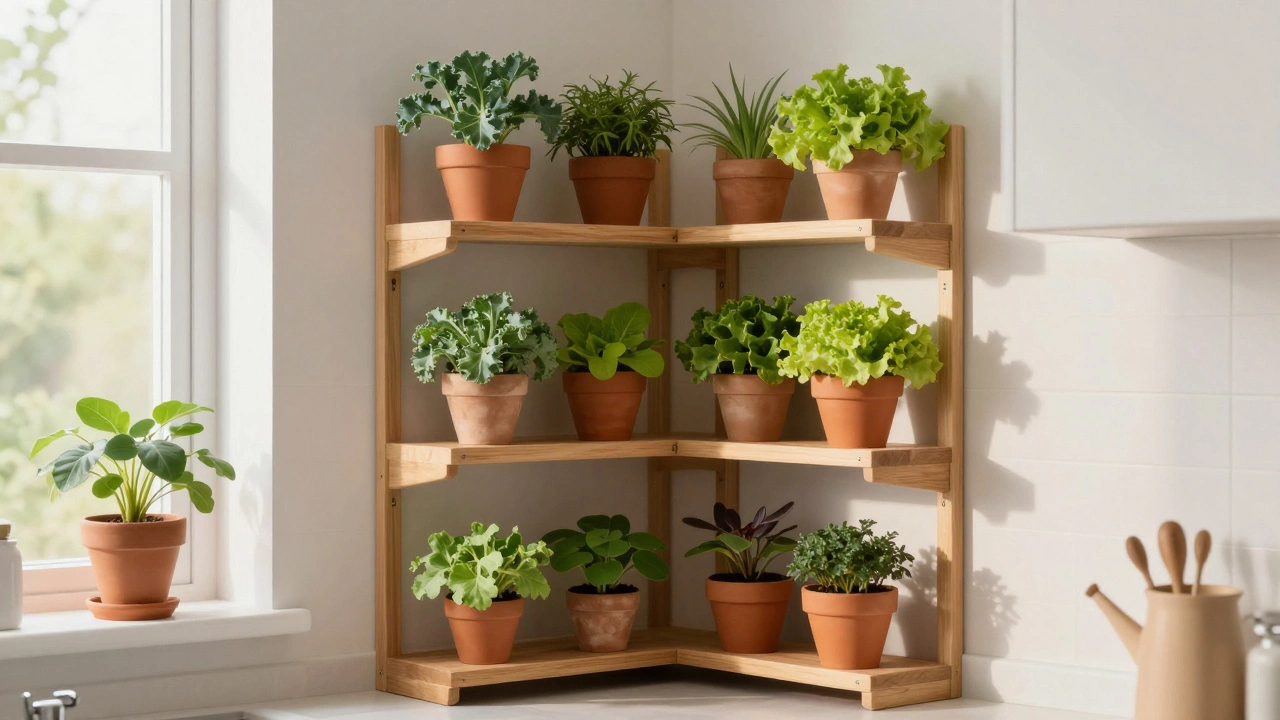
Why Your Kitchen Window is Perfect
Most people think you need a sunny backyard to eat fresh greens, but modern techniques prove otherwise. You can cultivate Kitchen Gardening is a practice of growing edible plants within a home environment using controlled conditions. It allows for year-round production regardless of outdoor weather. directly in your pantry space. The trick isn't finding more sun; it's understanding what your plants actually require versus what we assume they need.
Think about the vegetables you use most often. Spinach wilts by Tuesday at the grocery store. Lettuce gets slimy in the fridge drawer after three days. Growing these in your kitchen changes the game entirely because you pick exactly when you cook. This proximity means less waste and better flavor. You might wonder if a small counter has enough room. Surprisingly, vertical space works harder than floor area. Using shelves allows you to stack growth zones.
Selecting the Right Crops for Indoors
Picking the wrong seeds kills motivation fast. You wouldn't plant a watermelon under a lamp next to the sink. Leafy greens are the easiest winners because they have shallow roots and mature quickly. Varieties like loose-leaf lettuce, kale, and Swiss chard thrive indoors without deep soil beds. These crops reach harvest size in about 30 to 45 days, giving you regular results.
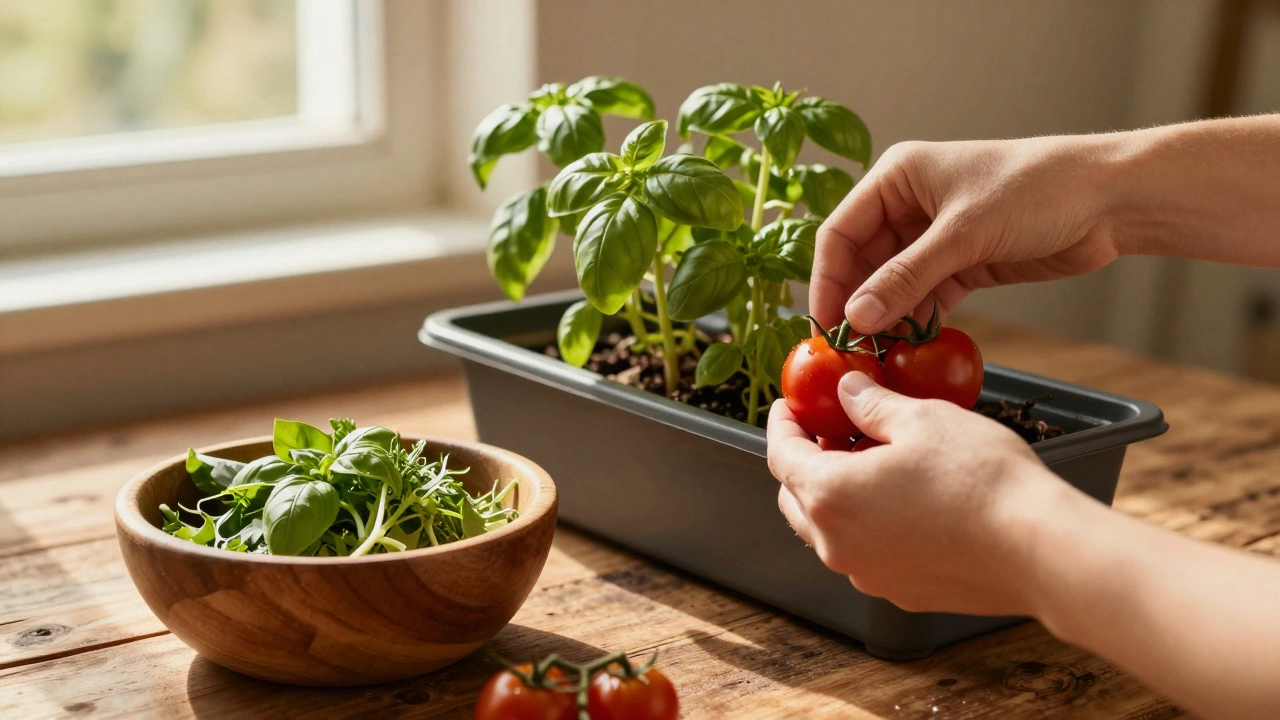
For those wanting fruiting plants, dwarf tomato varieties are the best bet. Standard bush beans work too. However, avoid large cucumbers or zucchini unless you have massive lighting setups. These heavy feeders exhaust potting mix nutrients rapidly. Instead, focus on herbs like basil, cilantro, and parsley which regrow vigorously after cutting.
| Crop Type | Light Needs | Maturity Time | Difficulty Level |
|---|---|---|---|
| Leaf Lettuce | Low to Medium | 30 Days | Easy |
| Basil | High | 60 Days | Medium |
| Dwarf Tomato | Very High | 70 Days | Hard |
| Spinach | Low | 40 Days | Easy |
Mastering Artificial Light
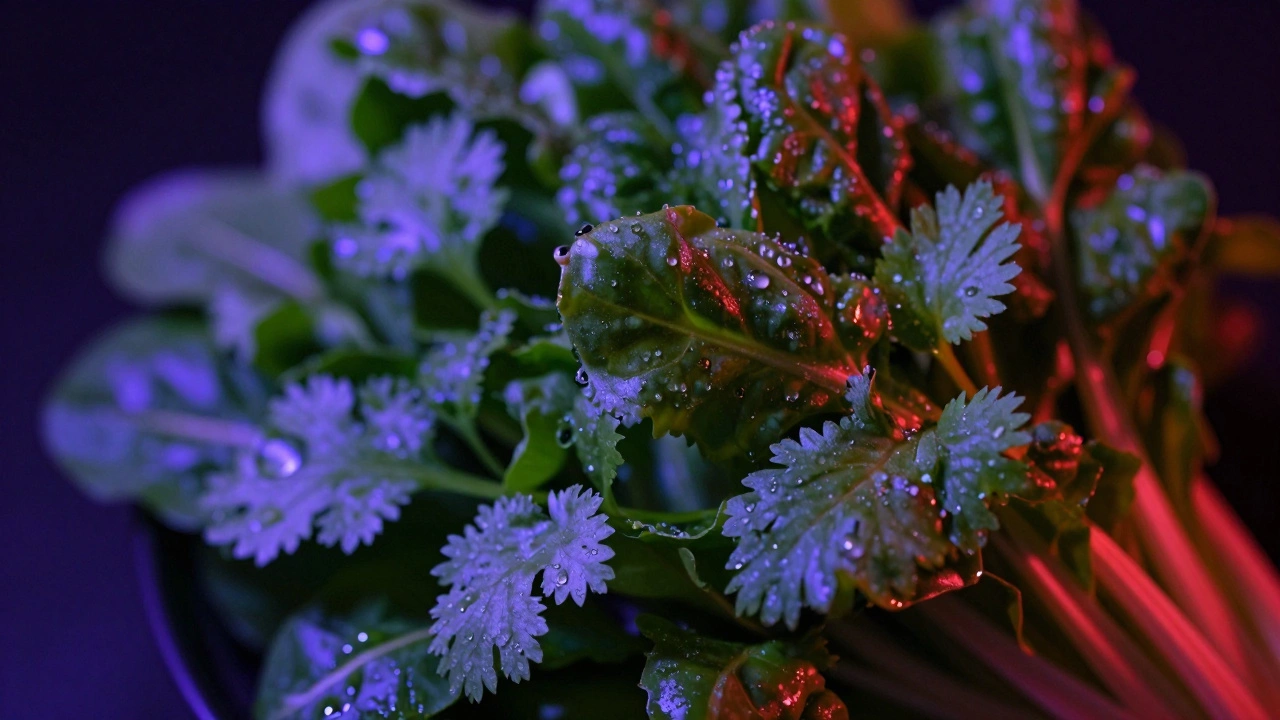
Natural window light is rarely sufficient for heavy production in winter months. Most residential windows filter out UV rays needed for plant health. To fix this, you need dedicated grow lights. LED panels are currently the most efficient choice because they produce minimal heat and target specific spectrums plants use for photosynthesis.
Placement matters immensely here. If the light sits too high, the plant stretches weakly searching for energy, a condition known as legging. Ideally, bulbs should hang 12 to 18 inches above the canopy. Adjust them weekly as stems lengthen. Timing also plays a role in health. Plants usually require an 18-hour on cycle followed by six hours off to mimic a long summer day. Timers automate this so you don't forget to switch them on or off.
Heat management is critical. Even though LEDs run cooler than old fluorescents, concentrated light generates warmth. Ensure good air circulation around your setup so leaves don't overheat. A small fan oscillating near the rack strengthens stems while regulating temperature. Without movement, the plant tissue becomes soft and vulnerable to fungal issues.
Soil, Water, and Nutrients
You cannot rely on standard garden soil indoors. That earth compacts easily and holds too much water in a confined pot. Instead, use a potting mix designed for containers. Look for blends containing perlite or vermiculite. These ingredients keep the dirt fluffy and oxygenated. Oxygen at the root level prevents rot and promotes faster nutrient uptake.
Drainage holes are mandatory. A pot sitting on water turns into a swamp. Always place a saucer underneath to catch overflow. When watering, check the top inch of soil. If it feels dry to the touch, water thoroughly until liquid runs out the bottom. Never leave standing water in the drainage tray for more than ten minutes.
Fertilizer feeds the machine. Houseplant pots run low on nitrogen and potassium quickly. Organic liquid fish emulsion provides a balanced diet without burning delicate roots. Dilute it according to the bottle instructions and apply every two weeks during the active growth phase. During dormancy in colder months, reduce feeding frequency significantly.
Troubleshooting Common Problems
Even pros encounter setbacks. Yellowing lower leaves usually indicate underwatering or nutrient deficiency. If the tips brown instead, salt buildup from fertilizer might be blocking absorption. In this case, flush the soil with plain water to reset the balance.
Pests can still invade indoors, despite being separated from outside gardens. Fungus gnats are the most annoying offenders, attracted to wet soil. Letting the top layer dry out between waterings reduces their breeding spots. Neem oil spray works as a deterrent if you see adult flies buzzing around.
If your plant looks healthy but stops growing tall, it may lack pollination. Indoor environments lack bees. For squash or peppers, you can hand-pollinate using a small paintbrush to transfer pollen between flowers. Tomatoes usually self-pollinate, but shaking the stem gently helps move the pollen around.
Can I grow vegetables on a dark countertop?
Natural light alone is rarely enough for fruit production. You will need supplemental grow lights to ensure your plants receive at least 12 hours of full-spectrum illumination daily.
What vegetables grow fastest indoors?
Leafy greens like radish, arugula, and lettuce sprout in 3-7 days and are ready to harvest within 30 to 45 days depending on the variety.
How often should I water indoor plants?
There is no fixed schedule. Check the soil moisture by sticking your finger one inch deep. Water only when the top inch feels completely dry to the touch.
Do indoor tomatoes need pollination help?
Tomatoes generally self-pollinate, but using a small electric toothbrush on the flower stem or shaking the branch helps release pollen indoors where wind and bugs are missing.
Is kitchen compost possible?
Small electric composters handle kitchen scraps without odor. They turn waste into usable castings you can mix into your potting soil for future seasons.