Sister Plants Compatibility Checker
Select two plants below to see if they are good companions, bad neighbors, or neutral partners in your garden.
Please select two plants to analyze their relationship.
You’ve probably heard the term sister plants tossed around in gardening circles, maybe while scrolling through Instagram or chatting with a neighbour who seems to have an endless supply of tomatoes. But what does it actually mean? Is it just another buzzword for organic gardening, or is there real science behind planting certain crops next to each other? Spoiler alert: it’s not magic, but it might feel like it when your beans climb your corn and your squash keeps the weeds at bay without you lifting a finger.
The concept isn’t new. Indigenous peoples across North America practiced this technique centuries before modern agriculture tried to reinvent the wheel. Today, we call it companion planting, but the heart of it remains the same: creating a mini-ecosystem where every plant has a job to do. If you’re tired of buying chemical fertilisers and spraying pesticides, understanding sister plants could be the game-changer your garden needs.
Defining the Concept: More Than Just Neighbours
At its core, sister plants are different species grown together because they benefit one another. This isn’t about aesthetics-though mixed beds look great-it’s about function. Think of it as teamwork. One plant might fix nitrogen in the soil, helping its neighbours grow stronger. Another might repel pests that would otherwise chew up your leaves. Yet another might provide shade, keeping the soil moist during those hot summer days we’re getting more of here in Brighton.
This approach falls under the broader umbrella of companion planting. Unlike monoculture, where you grow acres of just one crop (like vast fields of corn), companion planting mimics nature. In the wild, you rarely see just one type of plant growing alone. You see layers: tall trees, medium shrubs, ground-covering herbs, and root vegetables all sharing space. By replicating this diversity, you reduce the risk of disease spreading and increase the overall health of your garden.
The Classic Trio: Corn, Beans, and Squash
You can’t talk about sister plants without mentioning the famous "Three Sisters." This trio-corn, beans, and squash-is the gold standard of companion planting. Here’s how they work together:
- Corn acts as the trellis. It grows tall and sturdy, giving the beans something to climb.
- Beans are the nitrogen fixers. They take nitrogen from the air and convert it into a form the corn and squash can use. This reduces the need for synthetic fertilisers.
- Squash is the ground cover. Its large leaves spread out, shading the soil to retain moisture and suppress weeds. The prickly vines also deter pests like raccoons or rabbits.
This system works because each plant fills a specific niche. If you remove one, the others struggle. Without corn, beans flop on the ground and rot. Without beans, corn gets nutrient-starved. Without squash, weeds take over. It’s a perfect example of symbiosis in action.
| Plant | Role | Benefit Provided | Benefit Received |
|---|---|---|---|
| Corn | Support Structure | Provides physical support for climbing beans. | Gains nitrogen fixed by beans; benefits from weed suppression by squash. |
| Beans | Nitrogen Fixer | Adds nitrogen to the soil, boosting growth for heavy feeders like corn. | Uses corn stalks for vertical growth; enjoys shaded, moist soil from squash. |
| Squash | Ground Cover | Shades soil to keep moisture in and weeds out; deters pests. | Protected from wind by corn; enriched by bean-fixed nitrogen. |
Beyond the Trio: Other Powerful Pairings
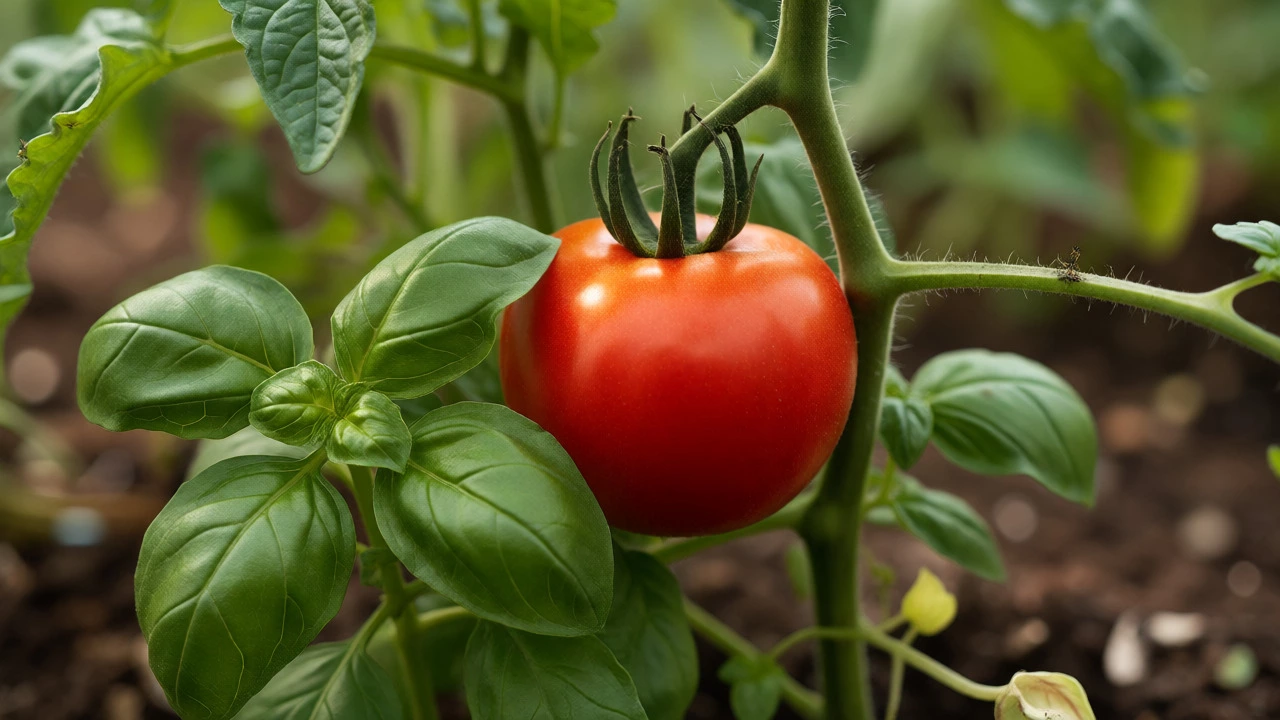
While the Three Sisters get all the attention, plenty of other combinations work wonders. Let’s say you’re growing tomatoes. They love company too. Planting basil nearby is a classic move. Basil emits strong oils that confuse pests like aphids and whiteflies, which often target tomatoes. Plus, many gardeners swear basil improves the flavour of the tomatoes, though that’s harder to prove scientifically.
Another favourite is pairing carrots with onions. Carrot flies hate the smell of onions, and onion flies dislike the scent of carrots. By interplanting them, you create a natural barrier against these common pests. No sprays needed. Just good old-fashioned biology.
If you’re dealing with slugs-a nightmare for anyone gardening in wet climates like the UK-try planting lettuce near garlic or chives. These aromatic herbs act as deterrents. Slugs find the smell unpleasant and tend to avoid areas heavily scented with garlic compounds.
Why Bother? The Environmental and Economic Case
You might wonder if this extra planning is worth the effort. Consider the costs of conventional gardening. Synthetic fertilisers require energy-intensive manufacturing processes. Pesticides can harm beneficial insects like bees and ladybugs, which are crucial for pollination and pest control. Over time, these chemicals degrade soil health, leading to lower yields unless you add even more inputs.
Sister plants change the equation. By relying on biological relationships, you reduce dependency on external inputs. For instance, legumes (like beans and peas) naturally enrich the soil. Rotating crops using companion principles helps maintain soil fertility year after year. This aligns perfectly with sustainable gardening goals. You’re working with nature rather than fighting against it.
There’s also the economic angle. Less fertilizer means less money spent. Fewer pesticide applications save time and cash. And let’s not forget the yield boost. Healthy, diverse gardens often produce more food per square foot than single-crop patches. That’s valuable whether you’re feeding a family or selling at a local market.
Common Mistakes to Avoid
Not every plant plays nicely with others. Some pairings are disastrous. Take potatoes and tomatoes. Both belong to the nightshade family and share similar diseases, like blight. Planting them together increases the risk of infection spreading rapidly between them. Keep them apart.
Similarly, avoid planting brassicas (cabbage, broccoli, kale) near strawberries. Brassicas can stunt strawberry growth due to allelopathy-the release of biochemicals that influence the germination, growth, or survival of surrounding organisms. It’s subtle, but over time, it matters.
Also, don’t overcrowd. Companion planting doesn’t mean cramming everything into every inch of space. Each plant still needs room for roots and airflow. Poor airflow leads to fungal issues, especially in damp British autumns. Follow spacing guidelines for each individual plant, then intercrop carefully.

Getting Started: A Simple Plan for Your Garden
Ready to try it? Start small. Pick one bed and experiment with a simple combination. Here’s a beginner-friendly plan:
- Choose your anchor plant. Maybe it’s tomatoes or cucumbers. These are your main crops.
- Select a protector. Add basil or marigolds around the base. Marigolds emit alpha-terthienyl, which repels nematodes in the soil.
- Add a ground cover. Plant low-growing lettuce or spinach between the larger plants to maximise space and keep soil cool.
- Observe. Watch for pests, growth rates, and yield differences compared to previous years. Adjust next season based on what worked.
Keep notes. Did the basil really deter aphids? Did the marigolds help with root-knot nematodes? Real-world data from your own garden is far more useful than generic advice.
FAQ
Do sister plants always improve taste?
Not necessarily. While some gardeners claim basil makes tomatoes taste better, scientific evidence is mixed. The primary benefits are usually related to pest control, soil health, and space efficiency rather than flavour enhancement.
Can I use sister plants in containers?
Yes, but choose compact varieties. Dwarf tomatoes paired with bush beans or small herbs work well in pots. Ensure the container is large enough to support multiple root systems without competition for nutrients.
Are marigolds effective against all pests?
No. French marigolds are particularly good at deterring root-knot nematodes and some flying insects, but they won’t stop slugs or caterpillars. Use them as part of an integrated pest management strategy, not a standalone solution.
How close should sister plants be planted?
Follow the recommended spacing for the largest plant in the group. Intercrop smaller plants in the gaps. For example, if planting corn, space seeds 30cm apart, then sow beans at the base of each stalk and squash between rows.
Does companion planting replace crop rotation?
No, they complement each other. Companion planting optimises space and interactions within a season. Crop rotation prevents soil-borne diseases and nutrient depletion over years. Use both strategies for best results.