Balcony Garden Growth Timeline Calculator
Plan Your Planting
Select a vegetable to see how long you'll wait for your first harvest.
Radish
AnnualGrowth Duration
25-30 Days
Pot Size Needed
Small (6")
Difficulty & Patience Level:
Tip: Great for instant gratification. Plant every 2 weeks for continuous harvest.
Visual Growth Comparison
You plant a seed. You water it. You wait. And then... nothing happens. This is the brutal reality of gardening, especially when you are squeezed into a balcony garden setup in a city like Brighton. We want instant gratification. We want salad greens by next Tuesday. But nature operates on its own clock, and some plants move at a glacial pace compared to others.
If you have ever wondered which vegetable takes the longest to grow, the answer isn't just one plant. It depends on whether you are talking about days from seed to harvest or years until the first fruit. For the impatient urban gardener, knowing this timeline is the difference between quitting in frustration and celebrating a bumper crop.
Quick Takeaways: The Slowest Vegetables
- Artichokes take up to 120 days from seed to harvest, making them one of the slowest annual crops.
- Broad Beans can require 90-110 days, but they thrive in cooler early spring weather.
- Kohlrabi is surprisingly slow for a root vegetable, needing 60-80 days depending on the variety.
- Asparagus is the ultimate test of patience, taking 3 years before you can harvest a single spear.
- For balconies, choose slow growers that fit in containers, like dwarf varieties or perennial herbs.
The Champions of Slowness: Annuals That Drag Their Feet
When we talk about "vegetables," we usually mean annuals-plants that complete their life cycle in one season. Among these, a few stand out for their incredibly long journey from a tiny seed to a plate-ready meal. Understanding these timelines helps you plan your balcony garden setup so you aren't left staring at empty pots in August.
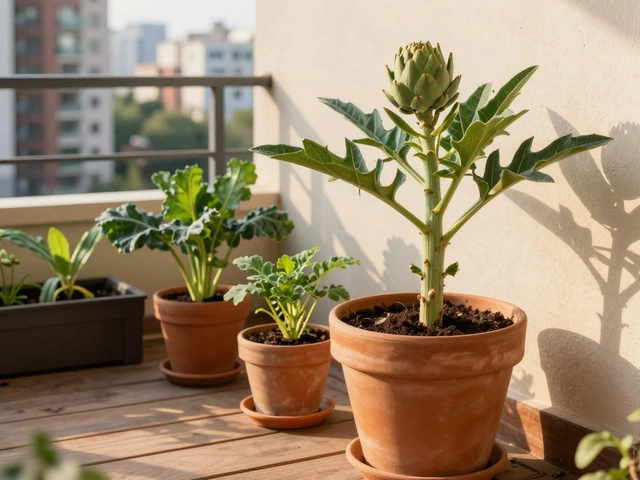
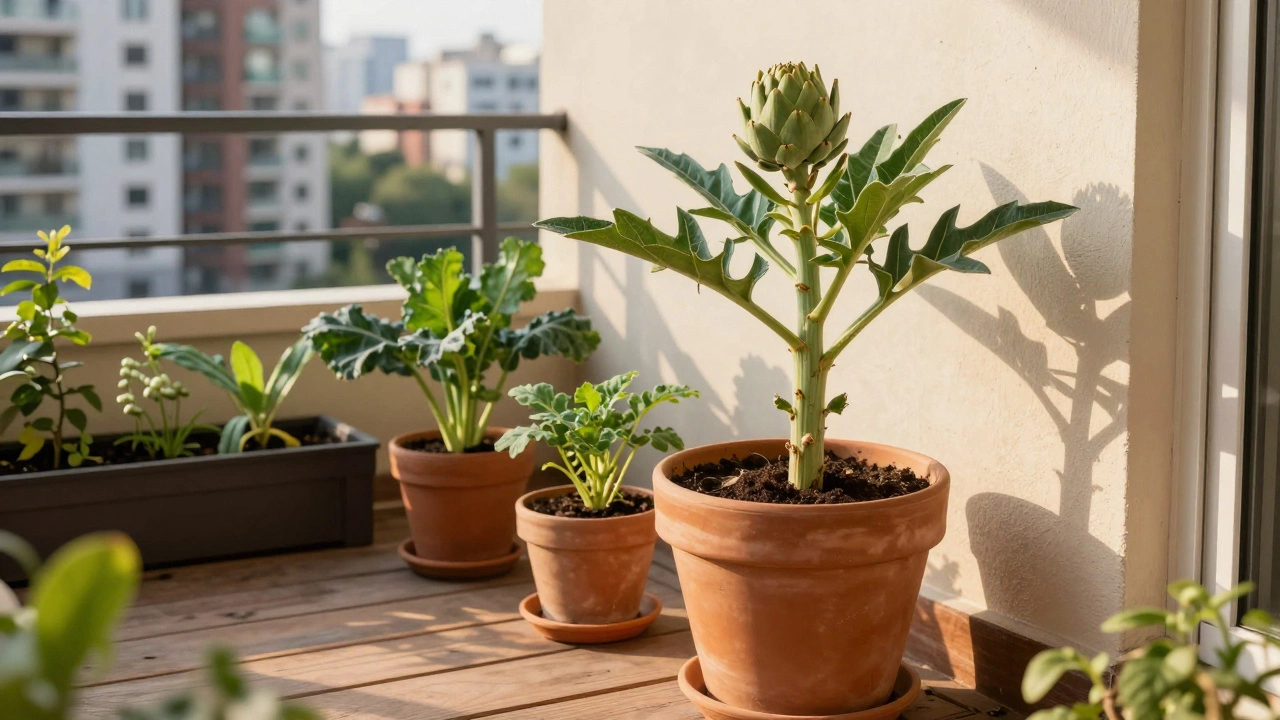
First on the list is the Artichoke, a thistle-like vegetable prized for its edible flower buds. If you start an artichoke from seed, brace yourself. It typically takes 100 to 120 days to reach maturity. In the UK climate, starting them indoors in late winter is crucial because they need a long, warm growing season. On a balcony, they demand large containers-at least 5 gallons-and plenty of sunlight. They are heavy feeders, so you’ll need rich compost. Why bother with such a slow crop? Because homegrown artichokes taste nothing like the canned ones, and watching them bloom is spectacular.
Next up are Broad Beans, large legumes popular in British cuisine. These are classic cool-season crops. While many beans mature quickly, broad beans often take 90 to 110 days. However, here is the trick: you can sow them in autumn or very early spring. By the time summer hits, they are already harvesting. This makes them perfect for extending your balcony garden's productive window. Just ensure your pots have excellent drainage, as wet feet will rot the roots faster than slugs will eat the pods.
Then there is Kohlrabi, a member of the cabbage family grown for its swollen stem. Don’t let its appearance fool you; kohlrabi is not a quick-fix radish. Depending on the variety, it needs 60 to 80 days to develop that bulbous stem. Some heirloom varieties can push past 90 days. It prefers cooler temperatures, so planting it too late in the heat of July means it might bolt (flower) before it gets big enough to eat. For balcony growers, kohlrabi is compact and doesn’t need deep soil, making it a space-efficient choice despite its moderate speed.
The Perennial Trap: Waiting Years for a Reward
If annuals seem slow, perennials are another beast entirely. These plants live for multiple years, but they invest heavily in establishing their root systems before producing food. For a balcony gardener, this requires a different mindset.
The king of patience is Asparagus, a perennial vegetable known for its tender spears. You cannot plant asparagus seeds and expect dinner next month. It takes three full years before you should harvest even a single spear. In year one, the plant focuses on building roots. In year two, you might snip a few weak shoots to encourage growth. Only in year three do you get a real harvest. Can you grow this on a balcony? Yes, if you use a very large, deep container (minimum 12 inches deep and wide). Asparagus loves sun and well-draining soil. It’s a commitment, but once established, it will reward you every spring for decades.
Rhubarb is another perennial that plays the long game. It takes two to three years to produce usable stalks. Like asparagus, it needs a substantial pot and lots of organic matter. Rhubarb is hardy and thrives in the UK climate, tolerating shade better than most vegetables. This makes it ideal for north-facing balconies where tomatoes would fail. Just remember: never eat the leaves; they are toxic due to oxalic acid.
Why Do Some Vegetables Grow So Slowly?
It’s not just bad luck. Several biological and environmental factors dictate growth speed. Understanding these helps you manage expectations and optimize your balcony garden setup.
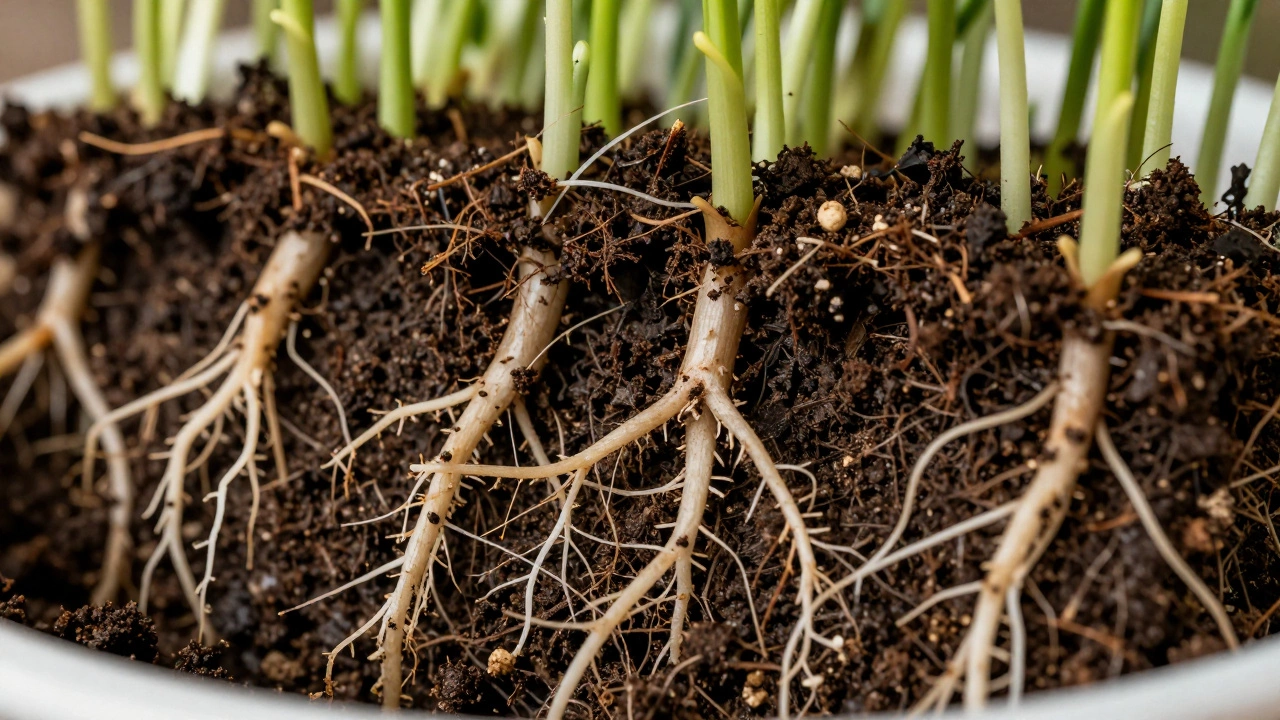
- Root System Development: Plants like asparagus and artichokes build massive underground networks before pushing energy above ground. You can’t rush foundation work.
- Temperature Sensitivity: Cool-season crops like broad beans grow slowly in cold weather but stop growing entirely in heat. Warm-season crops like peppers stall in the chill.
- Genetic Programming: Heirloom varieties often prioritize flavor and disease resistance over speed. Modern hybrids are bred to mature faster, sometimes sacrificing taste.
- Container Constraints: Roots in pots hit walls sooner than in open ground. This physical restriction can slow growth slightly compared to garden beds, though proper repotting mitigates this.
Strategies for the Impatient Balcony Gardener
You don’t have to wait forever. Here are practical ways to speed up your harvest or make the wait worthwhile.
- Start Indoors: For slow growers like artichokes and peppers, start seeds indoors 6-8 weeks before the last frost. This gives them a head start before moving them to the balcony.
- Buy Transplants: Skip the seed stage. Buy young plants from nurseries. You cut off 4-6 weeks of growth time instantly.
- Succession Planting: Don’t plant all your slow crops at once. Sow small batches every two weeks. This ensures a continuous harvest rather than one overwhelming glut.
- Optimize Soil: Use high-quality potting mix with added compost. Nutrient-rich soil supports faster cell division and stronger stems.
- Maximize Sunlight: Place slow-growing plants in the sunniest spot on your balcony. Photosynthesis drives growth; more light equals more energy.
Comparison: Fast vs. Slow Vegetables for Balconies
To put things in perspective, let’s compare the slowpokes with the sprinters. Knowing what grows fast helps you balance your garden so you always have something fresh to pick.
| Vegetable | Days to Harvest | Pot Size Needed | Best For |
|---|---|---|---|
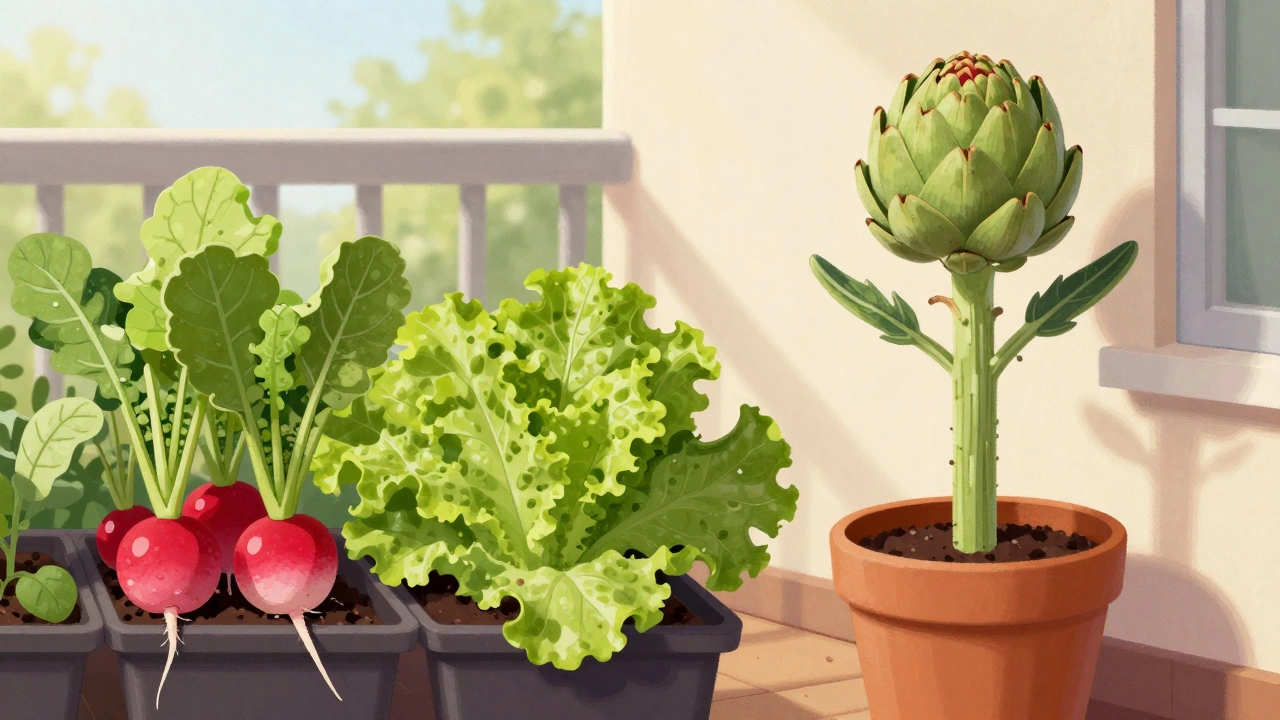
| Radishes | 25-30 days | Small (6 inches) | Instant gratification |
| Lettuce | 45-60 days | Medium (8 inches) | Salads & cuts |
| Kohlrabi | 60-80 days | Medium (8 inches) | Cool season cooking |
| Broad Beans | 90-110 days | Large (10+ inches) | Early spring/autumn |
| Artichoke | 100-120 days | Very Large (5+ gallons) | Exotic culinary projects |
| Asparagus | 3 years | Deep (12+ inches) | Long-term investment |
Making Space Work: Container Tips for Slow Growers
Growing slow vegetables on a balcony requires smart space management. You can’t afford to tie up a precious square foot of railing with a plant that won’t produce for months unless you plan ahead.
Use vertical space. Train broad beans up trellises or stakes. This keeps them tidy and maximizes air circulation, reducing fungal diseases. For artichokes, place the large pot near a wall where it won’t tip over in windy Brighton weather. Group plants with similar water needs together. Artichokes and asparagus both need consistent moisture but hate soggy soil, so pair them with other Mediterranean-style plants like rosemary or thyme.
Consider the weight. Wet soil is heavy. A 5-gallon pot filled with wet compost can weigh over 50 pounds. Ensure your balcony floor can support this load. If you’re unsure, use lightweight expanded shale-based potting mixes instead of dense clay soils.
Frequently Asked Questions
What is the absolute slowest vegetable to grow from seed?
Among common annual vegetables, the artichoke is widely considered the slowest, taking up to 120 days from seed to harvest. However, if you include perennials, asparagus is slower in terms of waiting for the first harvest, requiring three full years of growth before you can pick any spears.
Can I grow artichokes on a small balcony?
Yes, but you need a large container. Artichokes have extensive root systems and require at least a 5-gallon pot. They also need full sun (6+ hours daily) and regular feeding. Choose compact varieties like 'Green Globe' if space is extremely limited.
How can I speed up the growth of slow vegetables?
Start seeds indoors several weeks before the last frost date. Use high-quality, nutrient-rich potting soil. Ensure maximum sunlight exposure. Consider buying transplants (young plants) from a nursery instead of starting from seed, which saves 4-6 weeks of growth time.
Are there any slow-growing vegetables that tolerate shade?
Most slow-growing vegetables prefer sun, but rhubarb and kohlrabi can tolerate partial shade. Kohlrabi still produces decent bulbs in 4-6 hours of sun, while rhubarb is quite adaptable to shadier balcony spots, though it may grow slightly smaller stalks.
Is it worth growing asparagus on a balcony?
Only if you have the space and patience. Asparagus requires a deep, heavy pot and three years of no-harvest waiting. However, once established, it provides free spears every spring for 10-20 years. For most balcony gardeners, buying crowns (root divisions) rather than seeds reduces the wait to two years.