Rare Plant Value & Care Explorer
Click on a plant below to view detailed pricing information, why it is valuable, and its care difficulty level.
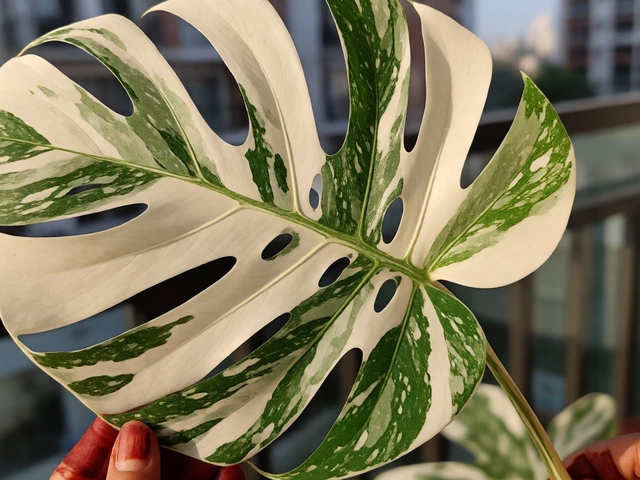
Monstera Albo
₹5k - ₹15k+Variegated Houseplant
Adenium Bonsai
₹5k - ₹50k+Desert Rose Caudex
Kadupul Flower
₹2k - ₹8kNight Blooming Cactus
Pearls & Jade Pothos
₹1.5k - ₹3kVariegated Money Plant
Rare Echeveria
₹500 - ₹2kHybrid Succulent
Select a plant above to see details
You might think the most expensive thing in your garden is that imported ceramic pot or the latest smart sprinkler system. But walk into a specialized nursery in Bangalore or scroll through an online plant marketplace in Delhi, and you will see price tags that make you do a double-take. We are talking about figures ranging from a few thousand rupees to lakhs for a single specimen. The question isn't just which plant is very costly in India, but why on earth anyone would pay that much for a leafy organism.
The answer lies in a mix of rarity, slow growth rates, aesthetic demand, and sometimes, pure hype. Whether you are a collector looking for your next trophy piece or a gardener curious about the market dynamics, understanding these high-value plants changes how you view your own green space. Let’s break down the heavy hitters of the Indian botanical market and what makes them so pricey.
The Monstera Albo Variegata: The Queen of High-End Houseplants
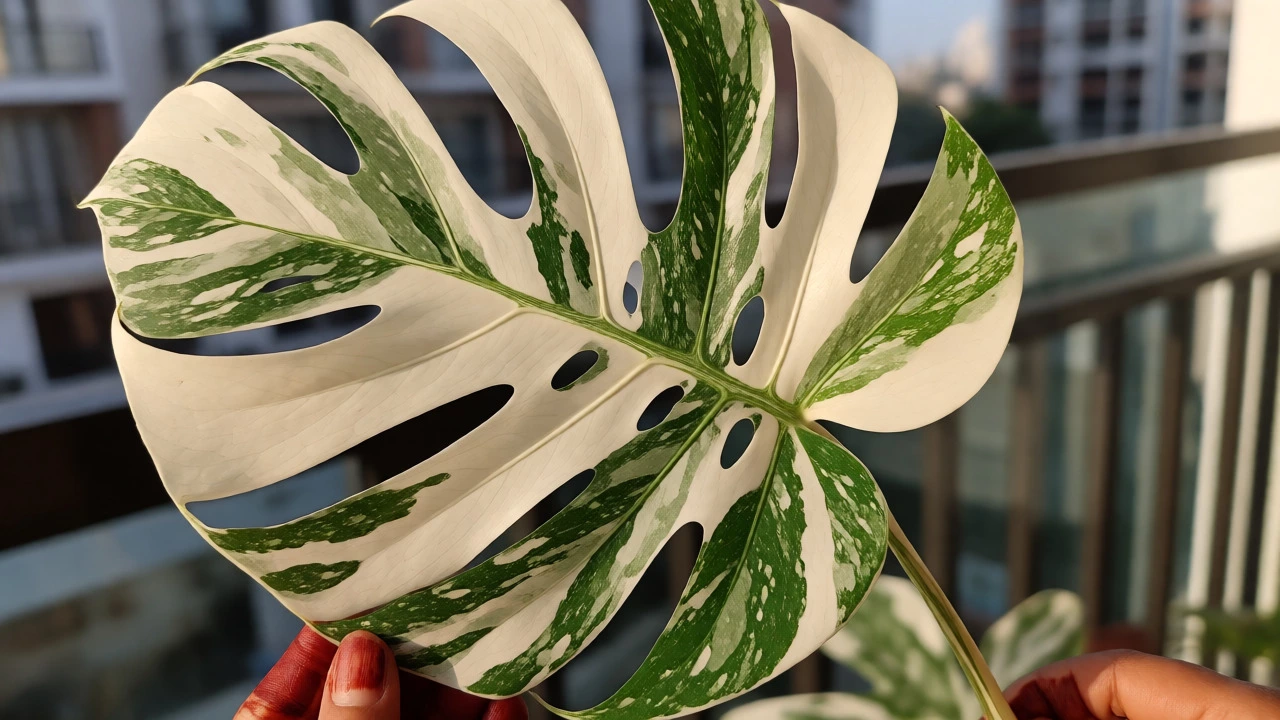
If there is one plant that dominates conversations about expensive foliage in urban India, it is the Monstera deliciosa variegated variety, specifically the 'Albo' type. You know the standard Monstera-it’s everywhere, cheap, and grows like crazy. But the Albo? That’s different. It features striking white and green patches on its leaves because of a genetic mutation that lacks chlorophyll in certain areas.
Why does this cost ₹5,000 to ₹15,000 for a small cutting with three leaves? Because variegation is unstable. If you propagate a node that has no white parts, you get a normal green plant. If you cut a node with too much white, it might die because it can’t photosynthesize enough. Growers have to carefully select nodes to ensure both beauty and survival. This labor-intensive process, combined with the fact that it grows slower than its green cousin, drives up the price. In cities like Mumbai and Pune, where apartment living favors dramatic indoor decor, this plant is a status symbol.
Kadupul Flower: The Night-Blooming Mystery
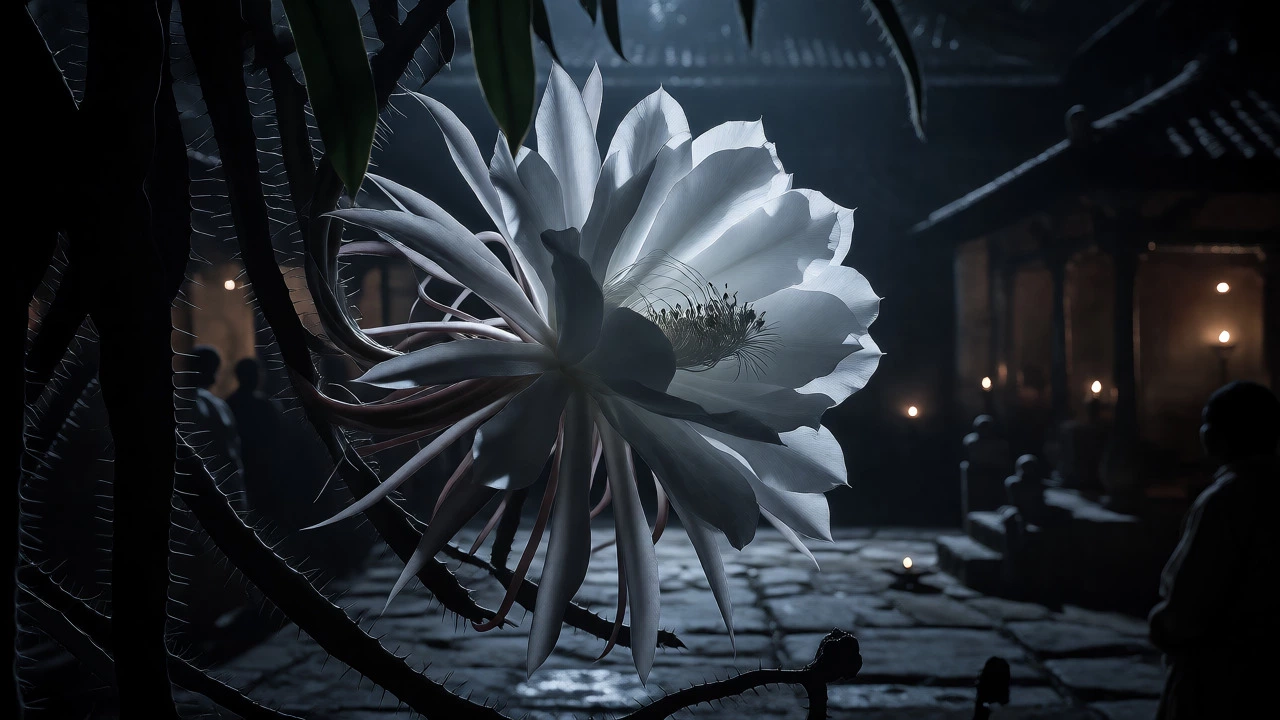
Move away from potted houseplants to wilder, more exotic specimens, and you encounter the Kadupul flower (Epiphyllum oxypetalum). Often called the "Queen of the Night," this cactus-like flower blooms only once a year, usually at night, and wilts before dawn. While the plant itself isn't always astronomically expensive if bought as a mature bush, fresh blooms or rare cultivars command high prices due to their ephemeral nature.
In Kerala and Tamil Nadu, Kadupul holds cultural significance. People gather around to catch a glimpse of the bloom. However, the real money comes when international collectors want specific hybrids or when the plant is sold as a rare ornamental piece in premium nurseries. A well-established Kadupul plant in a decorative pot can fetch ₹2,000-₹5,000, but limited edition grafted varieties or those with unique floral patterns can go higher. The scarcity of the blooming event adds a layer of mystique that translates directly into value.
Money Plant Varieties: Not All Are Created Equal
You might laugh at the idea of a Money Plant (Epipremnum aureum) being expensive. After all, everyone’s grandmother probably has one trailing from a shelf. But hold on. The common golden pothos is dirt cheap. However, rare variegated versions, such as the Marble Queen or the 'Neon' Pothos, can cost significantly more.
Specifically, look for the Pearls and Jade or N’Joy varieties. These have stable white margins and grow slower than the standard green types. A large, lush hanging basket of Pearls and Jade can easily sell for ₹1,500 to ₹3,000. Why? Because maintaining the stark contrast between the white and green requires precise lighting conditions. Too little light, and the leaves turn green; too much, and they burn. Nurseries charge a premium for plants that have been acclimated to show off this feature perfectly.
Rare Succulents and Cacti: The Collector’s Market
Succulents aren't just low-maintenance desk accessories anymore. Certain species have become investment assets. Take the Echeveria hybrids, particularly those with pastel colors and tight rosettes. While a basic Echeveria costs ₹50, a rare hybrid like 'Tippy' or 'Blue Rose' can range from ₹500 to ₹2,000 per head.
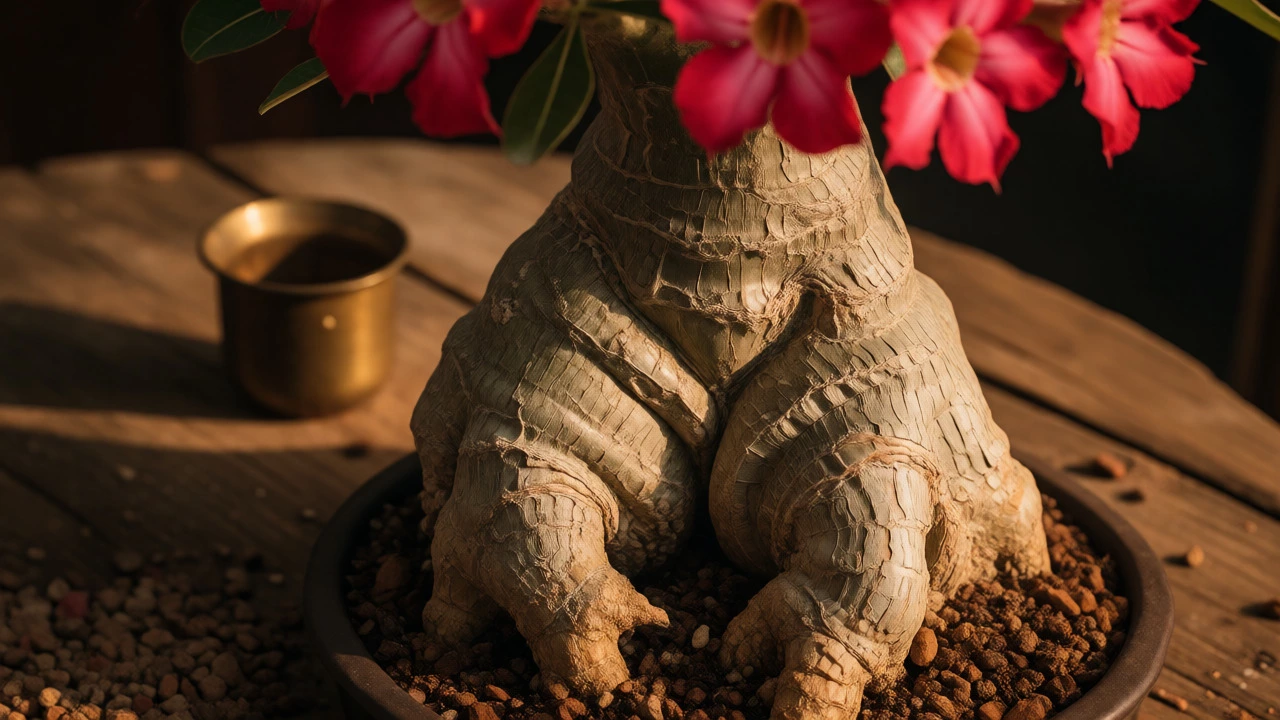
Then there are the caudex plants, like the Adenium obesum (Desert Rose) with massive swollen bases. An Adenium with a thick, sculptural trunk and vibrant red flowers is highly sought after. Grafting techniques allow growers to combine robust roots with colorful flowering tops, creating unique specimens. A mature, bonsai-style Adenium in India can cost anywhere from ₹5,000 to over ₹50,000 depending on the age and shape of the caudex. It’s essentially art made of wood and flower.
| Plant Name | Average Price Range (INR) | Primary Value Driver | Care Difficulty |
|---|---|---|---|
| Monstera Albo Variegata | ₹5,000 - ₹15,000+ | Unstable variegation, slow growth | High |
| Adenium Obesum (Bonsai) | ₹5,000 - ₹50,000+ | Caudex shape, age, flower color | Medium |
| Kadupul (Mature/Grafted) | ₹2,000 - ₹8,000 | Cultural rarity, blooming cycle | Low-Medium |
| Pearls and Jade Pothos | ₹1,500 - ₹3,000 | Stable white variegation | Low |
| Rare Echeveria Hybrids | ₹500 - ₹2,000 | Color stability, form | Medium |
Why Do Prices Vary So Wildly Across India?
Geography plays a huge role. In North India, where winters are harsh, tropical plants like Monsteras need heating or careful placement, making them riskier buys. Consequently, local supply might be lower, driving prices up. In South India, particularly Kerala and Karnataka, the climate is naturally suited for many of these plants, leading to higher local production and slightly better availability, though demand remains fierce.
Also, consider the source. Buying from a certified nursery in Hyderabad versus an Instagram seller in Jaipur yields different results. Certified nurseries often guarantee health and authenticity, which justifies a higher price tag. Instagram sellers might offer lower prices, but you risk receiving a plant with root rot or mislabeled variegation. Always ask for recent photos of the actual plant, not stock images.
Is It Worth Investing in Expensive Plants?
For hobbyists, the joy is in the care and the aesthetic. For investors, it’s trickier. The plant market is speculative. What’s hot today (like the Philodendron Pink Princess) might cool down tomorrow as tissue culture makes propagation cheaper. Remember, when tissue culture labs start producing thousands of clones of a rare plant, prices crash. The Monstera Thai Constellation, once a luxury item, has seen prices drop as supply increased.
If you buy an expensive plant, treat it as a long-term companion, not a quick flip. Ensure you have the right setup-grow lights, proper soil mixes, and humidity control-before spending big money. Nothing hurts more than killing a ₹10,000 plant because you didn’t check the drainage holes.
Practical Tips for Buying High-Value Plants
- Inspect the Roots: Ask for a video showing the root ball. Healthy roots should be firm and white or light brown, not mushy and black.
- Check for Pests: Look under leaves for spider mites or mealybugs. Quarantine new expensive arrivals for two weeks.
- Verify Variegation: For variegated plants, ensure the pattern is present on multiple leaves, not just one random spot. Stable variegation means the plant produces new leaves with the pattern consistently.
- Understand the Potting Mix: Rare plants often require specific aroid mixes (chunky bark, perlite, charcoal). Don’t repot immediately unless necessary; wait until the plant settles in.
Frequently Asked Questions
What is the single most expensive plant available in India right now?
While prices fluctuate, rare variegated Monsteras (like Albo Borsigiana) and mature Adenium bonsais often top the list for commonly traded houseplants, reaching tens of thousands of rupees. Exotic orchids or ancient Banyan trees used in landscaping can exceed lakhs, but for typical home gardening, the Monstera Albo is a frequent record-breaker.
Why are variegated plants more expensive than green ones?
Variegation reduces the plant's ability to photosynthesize because white parts lack chlorophyll. This makes the plant grow slower and harder to propagate. Growers lose more stock during the propagation process, and the risk of reversion (turning fully green) adds to the difficulty, increasing the final retail price.
Can I grow expensive plants in India without AC?
Yes, but it depends on the plant. Tropicals like Monsteras thrive in humid environments. If you live in dry regions like Rajasthan, you’ll need humidifiers or pebble trays. Succulents and Cacti prefer heat and dryness, so they actually thrive in non-AC homes in warmer months, provided they get enough light and protection from monsoon rain.
How do I know if my expensive plant is dying?
Look for yellowing leaves (often overwatering), crispy brown edges (low humidity or underwatering), or drooping despite moist soil (root rot). Check the stem near the soil line; if it feels mushy, it’s likely root rot. Act fast by removing affected roots and repotting in fresh, chunky soil.
Are online plant stores reliable for buying costly plants in India?
Reputable online stores with good reviews are generally safe. Look for platforms that offer replacement guarantees for damaged plants upon arrival. Always read recent customer feedback regarding packaging quality, as transit damage is the biggest risk for delicate, high-value plants.